
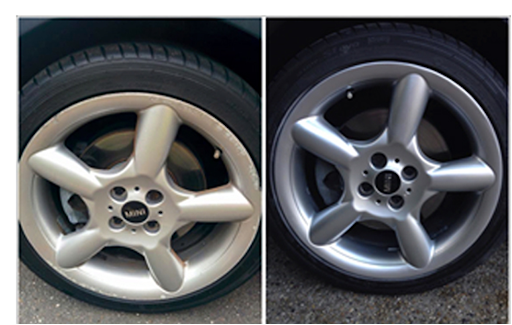
Mag wheel repair in Sydney is essential for restoring wheels to their original state, ensuring that both the aesthetic and functional properties are maintained. In this guide, we will explore the importance of mag wheel repair, the types of damage they typically incur, and how repair professionals restore the wheels to their former glory.
The Importance of Mag Wheel Repair
Mag wheels are not just about enhancing the look of your vehicle. They also play a significant role in the overall driving experience. Their lightweight nature improves acceleration and braking, offering enhanced performance. However, damage to these wheels can affect the handling, balance, and safety of the vehicle. A cracked or bent mag wheel, for example, can cause vibrations while driving, compromising stability and comfort.
Types of Damage to Mag Wheels
Several types of damage can occur to mag wheels, including:
- Scratches and Scuffs: The most common issue faced by mag wheels is cosmetic damage, such as scratches, scuffs, and chips. These can occur from contact with curbs, debris on the road, or even improper cleaning. While these marks may not affect the performance of the wheel, they can be unsightly and reduce the overall appearance of the vehicle.
- Cracks and Bent Wheels: More severe damage can occur when a mag wheel is hit by a pothole or curb. Cracks or bends can alter the wheel’s shape, affecting its ability to maintain proper tire alignment. These issues are not only dangerous but can lead to costly tire damage and unsafe driving conditions.
- Corrosion and Rust: Exposure to the elements can cause mag wheels to corrode over time. Road salts, rain, and even excessive heat can weaken the alloy and cause it to degrade, resulting in rust. Rust is particularly problematic because it can eat into the wheel’s material, making it more prone to cracks and breaks.
The Mag Wheel Repair Process
Repairing mag wheels involves several steps to ensure the wheels are restored to their original condition. While some minor damage can be repaired at home, it is highly recommended to leave more complex repairs to professionals, as the process requires specialised knowledge and equipment.
- Assessment of Damage: The first step in the repair process is a thorough inspection of the wheel. The technician will assess the type and extent of the damage. This helps determine whether the wheel can be repaired or if replacement is necessary. For minor scuffs or scratches, repair is usually feasible. However, cracks and bends may require more advanced techniques to ensure the wheel’s structural integrity.
- Cleaning and Preparation: Before any repair work is done, the wheel is thoroughly cleaned to remove dirt, debris, brake dust, and any old coatings. This is a crucial step, as any contaminants left on the surface can affect the repair process. If the wheel has corrosion or rust, the affected areas will be stripped away to ensure that the surface is clean and smooth.
- Repairing Scratches, Scuffs, and Dents: For minor cosmetic damage, such as scratches or scuffs, the technician will fill the affected areas with a special compound that is designed to bond with the wheel’s alloy. Once the compound has dried, it is sanded down to a smooth finish. The wheel is then polished to restore its shine.
- Fixing Cracks and Bends: More serious damage, such as cracks and bends, requires specialised equipment. Cracks are welded or brazed to restore the structural integrity of the wheel, while bends are corrected using hydraulic presses or other tools designed to reshape the alloy.
Final Thoughts
Mag wheel repair in Sydney is an essential service for maintaining both the appearance and performance of your vehicle. By investing in prompt repairs, you not only preserve the aesthetic appeal of your vehicle but also enhance its safety and performance, ultimately improving your driving experience.