
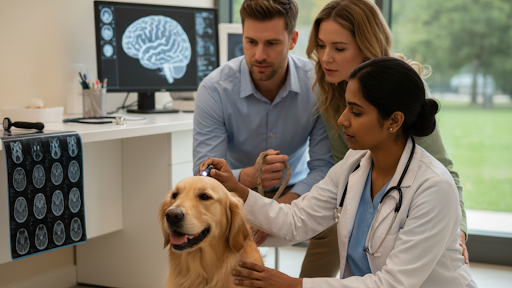
When your pet starts showing signs of neurological issues, it can be a stressful and confusing time for pet owners. Whether it’s a sudden change in behavior, difficulty walking, or seizures, a neurological consultation is often the next step in determining the root cause.
For example, at Chesapeake Veterinary, the experienced veterinary neurologists are equipped to provide specialized care, offering a range of diagnostic tests and treatment options to ensure your pet’s well-being. In this post, we’ll guide you through what to expect during your pet’s neurological consultation, so you feel informed and prepared for the next steps in your pet’s care.
Table of Contents
What is a Neurological Consultation for Pets?
A neurological consultation is an in-depth evaluation of your pet’s nervous system, which includes the brain, spinal cord, and nerves. Veterinarians who specialize in neurology are trained to diagnose and treat conditions affecting the nervous system. These consultations are crucial for pets experiencing neurological symptoms like:
- Seizures or convulsions
- Sudden weakness or paralysis
- Loss of coordination or balance
- Behavioral changes
- Abnormal head tilting or eye movement
Your pet’s neurologist will work closely with you to determine the cause of these symptoms and recommend appropriate treatments.
1. The Initial Evaluation
When you arrive for your pet’s neurological consultation, the first step is usually a detailed discussion with the veterinary neurologist. Expect to answer a variety of questions about:
- Your pet’s medical history: Past illnesses, surgeries, or treatments are essential for the neurologist to know.
- Current symptoms: You’ll describe what symptoms your pet is experiencing, when they started, and how they’ve progressed.
- Behavioral observations: Any unusual behaviors or signs you’ve noticed can be crucial in helping the neurologist make an accurate diagnosis.
Being as detailed as possible during this conversation helps the neurologist understand your pet’s condition better and decide on the most appropriate course of action.
2. Physical and Neurological Examination
Once the initial evaluation is complete, the neurologist will perform a comprehensive physical and neurological exam. This is crucial in identifying the part of the nervous system that may be affected and assessing the severity of the condition.
The neurologist will assess:
- Reflexes and movement: They may test your pet’s reflexes by gently tapping certain areas of the body to see how the nervous system responds.
- Coordination and balance: Your pet will be asked to walk, turn, or perform simple tasks to evaluate coordination and balance.
- Vision and hearing: The neurologist may also test your pet’s ability to see and hear as part of their neurological exam.
- Spinal and cranial nerve function: This checks for signs of brain or spinal cord involvement, such as abnormal eye movements or head tilting.
This exam helps the neurologist identify which part of the nervous system is affected and determine if any further diagnostic tests are necessary.
3. Diagnostic Testing
Depending on the initial examination and your pet’s symptoms, additional diagnostic tests may be recommended to get a clearer picture of the issue. These tests often include:
MRI Scans
MRI (Magnetic Resonance Imaging) is a common and highly effective imaging tool used to view the brain and spinal cord in great detail. It helps to identify tumors, herniated discs, inflammation, and other structural problems within the nervous system.
CT Scans
For some pets, a CT (Computed Tomography) scan may be used. While not as detailed as an MRI, a CT scan can be beneficial in detecting certain types of brain injuries or abnormalities.
Electrodiagnostic Tests
Tests like EEG (Electroencephalogram) and EMG (Electromyography) can measure electrical activity in the brain and muscles. These tests are handy for diagnosing conditions such as seizures or muscle weakness.
Blood Tests
Blood work can provide vital information about your pet’s overall health and whether any underlying conditions, such as infections or toxins, may be contributing to the neurological symptoms.
Cerebrospinal Fluid (CSF) Analysis
In some cases, a sample of cerebrospinal fluid (the fluid surrounding the brain and spinal cord) may be collected and analyzed to identify infections, inflammation, or other neurological disorders.
These tests help provide the neurologist with more information, enabling them to create a targeted treatment plan tailored to your pet.
4. Treatment and Management Plan
Once all the necessary diagnostic tests have been completed, the neurologist will discuss the findings with you and explain your pet’s diagnosis. Treatment options will vary based on the condition identified, but may include:
- Medications: Anti-seizure drugs, steroids, or pain relievers may be prescribed to manage symptoms and reduce inflammation or seizures.
- Surgical Interventions: In some cases, surgery may be needed to remove tumors, correct herniated discs, or repair damaged spinal cords.
- Physical Rehabilitation: For pets recovering from neurological surgery or injuries, physical therapy may be recommended to help them regain strength and mobility.
- Ongoing Monitoring and Follow-Up: Depending on the severity of the condition, ongoing monitoring and follow-up visits may be required to track your pet’s progress.
The neurologist will explain each treatment option, including potential risks, benefits, and expected outcomes, to help you make an informed decision about your pet’s care.
5. Emotional Support and Education
Pet owners often feel overwhelmed when they learn that their pet requires neurological care. During the consultation, the neurologist and support team should offer not only medical guidance but emotional support. Understanding your pet’s condition and treatment plan can alleviate concerns and help you make informed decisions for your furry friend.
Additionally, educational resources may be provided to help you understand how to care for your pet at home during their treatment and recovery.
Conclusion
A neurological consultation is an essential step in addressing your pet’s neurological health. Whether it’s a routine check-up or an emergency, understanding what to expect during the consultation helps reduce anxiety and ensures a smooth process. From comprehensive exams and diagnostic testing to personalized treatment plans, our goal is always to enhance your pet’s quality of life and overall health.
By working closely with your pet’s veterinary neurologist and staying informed, you can make confident decisions about their care and well-being. If you’re concerned about your pet’s neurological health, don’t hesitate to schedule a consultation and begin the journey toward recovery.