
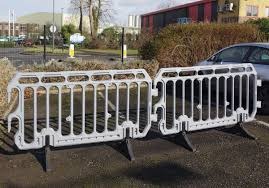
Traffic barriers are safety structures used to guide pedestrians, control crowds, and prevent accidents by creating clear, organised movement zones. They are widely used in public spaces, events, and high-traffic environments to support safe, predictable movement.
Table of Contents
Role of Traffic Barriers in Pedestrian Safety
Proper barrier placement ensures the safety of people and passing traffic. It minimises unsafe crossings, confines walkers to enclosed safe zones, and prevents vehicles from entering restricted pedestrian zones.
This division in crowded areas will reduce the risk and help all people move safely and calmly. It also promotes responsible behaviour, since a visible structure would easily direct people to safer walking paths.
How to Manage Large Crowds Safely.
Traffic barriers are essential for maintaining order during large meetings. It is necessary to grasp what proper crowd management entails before explaining how barriers contribute to the safety of crowds:
- Clear walking paths help individuals move freely without abrupt stops or crosswalks.
- Clear lines minimise pressing and eliminate congestion in tight or unsafe spaces.
- Emergency access routes ensure a swift response in the event of an incident.
With appropriate arrangements, barriers help control movement, ensure safe spacing, and minimise the risk of confusion or panic as foot traffic increases.
Giving Clear Guidance for Pedestrian Movement.
Clear-cut instructions enhance traffic barriers. To provide practical guidance on pedestrian safety, it is necessary to understand what good guidance is:
- Clearly marked directions enable pedestrians to know how to walk.
- Conspicuous directional signs make it impossible to get lost in a crowded or high-traffic area.
- Support devices, such as road signs in Australia, enhance route awareness and clarity.
A combination of these elements will ensure that barriers control movement and not just inhibit routes. This integration makes walking around the streets safer, more structured, and easier to manage.
Although planning and direction are vital, the type of barrier to adopt is essential for successful people and crowd management.
Types of Traffic Barriers for Crowd and Pedestrian Management
Different areas and situations demand different solutions, so barriers must be tailored to their purpose. Below are the commonly used types that support both pedestrian protection and organised crowd control:
- Permanent barriers for long-term road and walkway protection
- Portable barriers for events, construction zones, and high-traffic locations
- Queue barriers for directing people in lines and controlled access points
These options help ensure every traffic barrier serves a clear and compelling safety purpose while remaining suitable for its environment.
Safe Installation and Compliance Practices
Installing barriers correctly and using reliable equipment strengthens public safety. To ensure this, organisations should follow key considerations during selection and use:
- Choose durable and tested barriers from trusted suppliers
- Ensure correct placement for stability and safety outcomes.
- Support controlled environments using compliant tools like Road Signage in Australia
These practices help maintain confidence in controlled spaces and improve safety performance across different pedestrian areas.
Conclusion
Traffic barriers remain an essential part of modern safety planning, especially for pedestrian protection and crowd control. They create safer zones, prevent unsafe crossings, and support organised movement in high-risk, high-traffic areas. When backed by proper guidance and responsible installation, they help build safer, more controlled public environments.