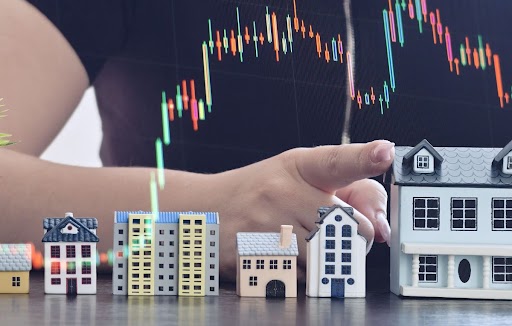
“In 2026, real estate marketing has shifted from intuition to data-driven precision. This article explores how predictive analytics, interactive 3D touring and automated lead nurturing particularly within the Miami tech hub are empowering agents to personalize buyer journeys and optimize market timing.”
The real estate market in 2026 has finally moved past the era of guesswork. For decades, agents relied on a mix of local intuition and broad, expensive advertising campaigns that hoped to catch the eye of the right buyer by sheer volume. Today, that model is obsolete. We have entered a period where the industry’s operating system is built entirely on data, forcing a total reimagining of how homes are bought and sold.
The transition hasn’t just been about new gadgets; it’s been a fundamental shift in philosophy. Marketing is no longer a one-way broadcast. It has become a sophisticated, invisible ecosystem that connects properties to people based on behavior, intent and lifestyle data. In 2026, the best real estate marketing doesn’t feel like an advertisement it feels like a timely solution to a problem a buyer hasn’t even fully articulated yet.
Table of Contents
The Visual Evolution: Beyond the Static Image
The way we see a home online has undergone its most significant change since the invention of digital photography. We are now well beyond the days of simple 2D galleries. Today’s listings are built using multimodal systems that process raw visual data into a full suite of marketing assets instantly. When a property is captured, the system does not just produce photos it builds a navigable, 3D environment that serves as the foundation for the entire campaign.
Virtual staging has moved from a deceptive gimmick to a vital utility. Buyers in 2026 expect shoppable tours. They no longer have to imagine how their own furniture might look in a sleek Brickell penthouse they can upload photos of their current belongings and see them digitally placed within the new space. If they dislike the current flooring or want to see the kitchen with different cabinetry, they can toggle those changes in real time. This creates an immediate psychological sense of ownership that static images simply cannot match.
This isn’t just about showing a house it is about showing a specific life. This shift aligns with how storytelling in real estate marketing helps buyers emotionally connect with a property long before a showing.
Predictive Strategy: Finding the Seller First
The true holy grail of 2026 is the ability to identify a listing before it even exists. Predictive analytics have matured to the point where they can analyze life-stage transitions like a marriage, a new child, or a remote job change to forecast who is likely to sell within the next year.
This has completely changed the nature of real estate advertising. Instead of sending generic postcards to an entire zip code, savvy agents are using hyperlocal forensics to focus their budgets on the specific houses most likely to turn over. This precision has essentially ended the era of ad waste. By the time a For Sale sign hits the lawn, the marketing engine has often already been running behind the scenes for months, warming up a pool of qualified prospects.
Pricing, too, has become an active part of the marketing strategy rather than a static figure. Real time market demand now dictates dynamic pricing models. By analyzing live inventory levels and buyer search velocity, agents can suggest price points that create a manufactured sense of urgency, ensuring the property maintains its momentum from the moment it hits the web.
The Miami Influence: A Global Tech Hub
Nowhere is this evolution more visible than in the South Florida market. Miami has solidified its reputation as the global epicenter for property technology. The city’s unique position as a bridge between the Americas and Europe has made it a testing ground for high-end web marketing Miami strategies.
Local firms providing Miami marketing services have moved away from being mere vendors; they are now strategic orchestrators. In a market where a buyer is just as likely to be in London or São Paulo as they are in Coral Gables, these firms use automated lead-nurturing systems that provide 24/7 engagement. This ensures that no matter the time zone, a potential investor receives an immediate, data-rich response to their inquiry.
A standout feature of the Miami scene is the use of cultural nuance modeling. An ad for a luxury condo in Wynwood is no longer just translated into Spanish or Portuguese; it is culturally re-contextualized. The imagery, tone and highlighted features shift to resonate with the specific values of different global demographics. This level of sophistication is what keeps the Miami market at the forefront of the international real estate stage.
The Modern Marketing Stack
The traditional Search Engine Optimization of the past has been replaced by intent-based discovery. In 2026, consumers rarely type short keywords into a search bar. Instead, they use complex voice commands or natural language queries. They ask for homes based on walkability to organic markets or homes with dedicated fiber-optic infrastructure.
To rank for these queries, web marketing Miami specialists create content that provides comprehensive answers to these lifestyle needs. If a brokerage’s website cannot answer the specific nuances of a buyer’s daily routine, it effectively disappears from the digital landscape. Additionally, the initial stages of lead qualification are now handled by automated assistants that can answer technical questions about property taxes, zoning and school districts instantly. This frees up the human agent to focus on what matters most: high-level negotiation and closing the deal.
Ethics and the Human Element
As we lean further into automation, transparency has become a marketable asset. With the rise of digitally enhanced visuals, buyers are more skeptical than ever. Ethical agents are winning by being radically transparent about their marketing tools. Disclosing when a room has been virtually staged or when a drone shot has been digitally cleared of power lines builds a level of trust that is far more valuable than a perfect, but fake, photograph.
Furthermore, the industry has had to confront the reality of data privacy. The most successful Miami marketing services are those that prioritize secure, ethical data handling. Buyers and sellers in 2026 want to know that personal information is not being sold to the highest bidder, but rather used to make their home buying journey smoother and more efficient.
The role of the real estate professional has evolved, but it hasn’t been replaced. While the machines handle the data, the marketing and the initial outreach, the human agent remains the essential emotional anchor. Humans still provide the empathy, the nuanced local knowledge and the hand holding required during the most stressful financial transaction of a person’s life.
Conclusion
The 2026 real estate marketing shift combines data and human connection perfectly. No longer is online marketing with real estate incompatible. The industry is more efficient and tailored than ever thanks to predictive data and interactive visualizations.
In 2026, technology is the engine but the agent is the pilot. In a fast paced market like Miami, those who combine high tech efficiency with high touch relationships win. Going forward, this hybrid strategy will determine winners in an increasingly sophisticated market.

