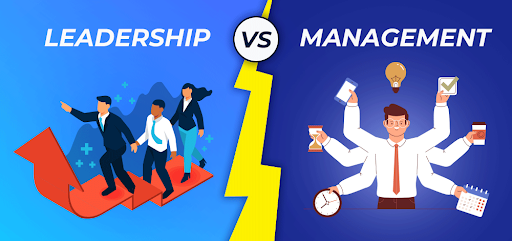
Organisations often use the terms leadership and management interchangeably, yet they deliver different outcomes. Understanding the difference helps businesses choose development strategies that strengthen both direction and performance. Effective leadership and management training supports professionals in building complementary capabilities that improve organisational effectiveness. While the two roles overlap, they serve different purposes within a workplace. Leadership focuses on vision and influence. Management focuses on structure and execution. When organisations understand this balance, teams work with greater clarity and consistency.
Table of Contents
Leadership Training Shapes Vision and Influence
Leadership development centres aim to guide people toward a shared purpose. It builds the ability to inspire confidence, encourage accountability, and create alignment across teams. Rather than focusing on daily supervision, it emphasizes long-term direction and strategic thinking.
Leadership training commonly supports professionals to:
- Develop emotional intelligence to strengthen trust and collaboration
- Communicate priorities clearly so expectations are understood
- Make informed decisions during periods of uncertainty
- Encourage innovation while maintaining focus on objectives
These capabilities influence workplace culture and team engagement. Leaders help individuals understand how their contributions connect to broader goals. This strengthens motivation and encourages shared responsibility. As part of broader leadership and management training, these skills help organisations build consistent direction across departments.
Management Training Strengthens Systems and Accountability
Management development focuses on transforming ideas into action. It ensures that the strategy becomes a structured activity supported by clear processes. Managers coordinate resources, monitor progress, and maintain operational stability.
Management training generally enables professionals to:
- Design workflows that improve efficiency and reduce delays
- Monitor performance indicators to identify gaps
- Delegate responsibilities with clear expectations
- Maintain compliance and procedural standards
Strong management provides consistency. It reduces confusion, clarifies roles, and supports measurable results. In operational environments such as automotive parts inventory management, structured systems and accurate tracking directly influence efficiency and reliability. Clear oversight helps reduce errors and supports stable service delivery.
Key Differences in Focus and Responsibility
Although leadership and management complement each other, their primary focus differs. Leadership is future-oriented; it concentrates on setting direction, influencing culture, and motivating people to pursue shared goals. Management is present-focused; it ensures tasks are completed, standards are maintained, and resources are used effectively.
Leadership often involves shaping change and encouraging innovation. Management concentrates on maintaining order and ensuring established processes operate smoothly. Both roles require communication and decision-making, but their responsibilities differ in emphasis. Recognising these differences helps organisations apply leadership and management training in a structured and practical way.
Aligning Strategy with Daily Operations
Sustainable performance depends on the connection between influence and execution. Leaders establish direction and encourage commitment. Managers convert that direction into actionable plans supported by measurable milestones. When these roles operate separately, misalignment can occur. When they work together, organisations benefit from both clarity and control.
An integrated approach to leadership and management training recognises this relationship. Development that combines strategic thinking with operational planning helps professionals understand how vision and structure complement one another. This balance supports collaboration and improves accountability across teams.
Conclusion
Leadership and management represent complementary aspects of organisational effectiveness. Leadership determines the work culture, direction, and engagement. Management protects the structure, accountability, and performance. When organisations invest in leadership and management training, they strengthen both influence and execution. This balanced capability builds resilience, supports informed decision making, and creates a stable foundation for long-term performance in changing environments.

