
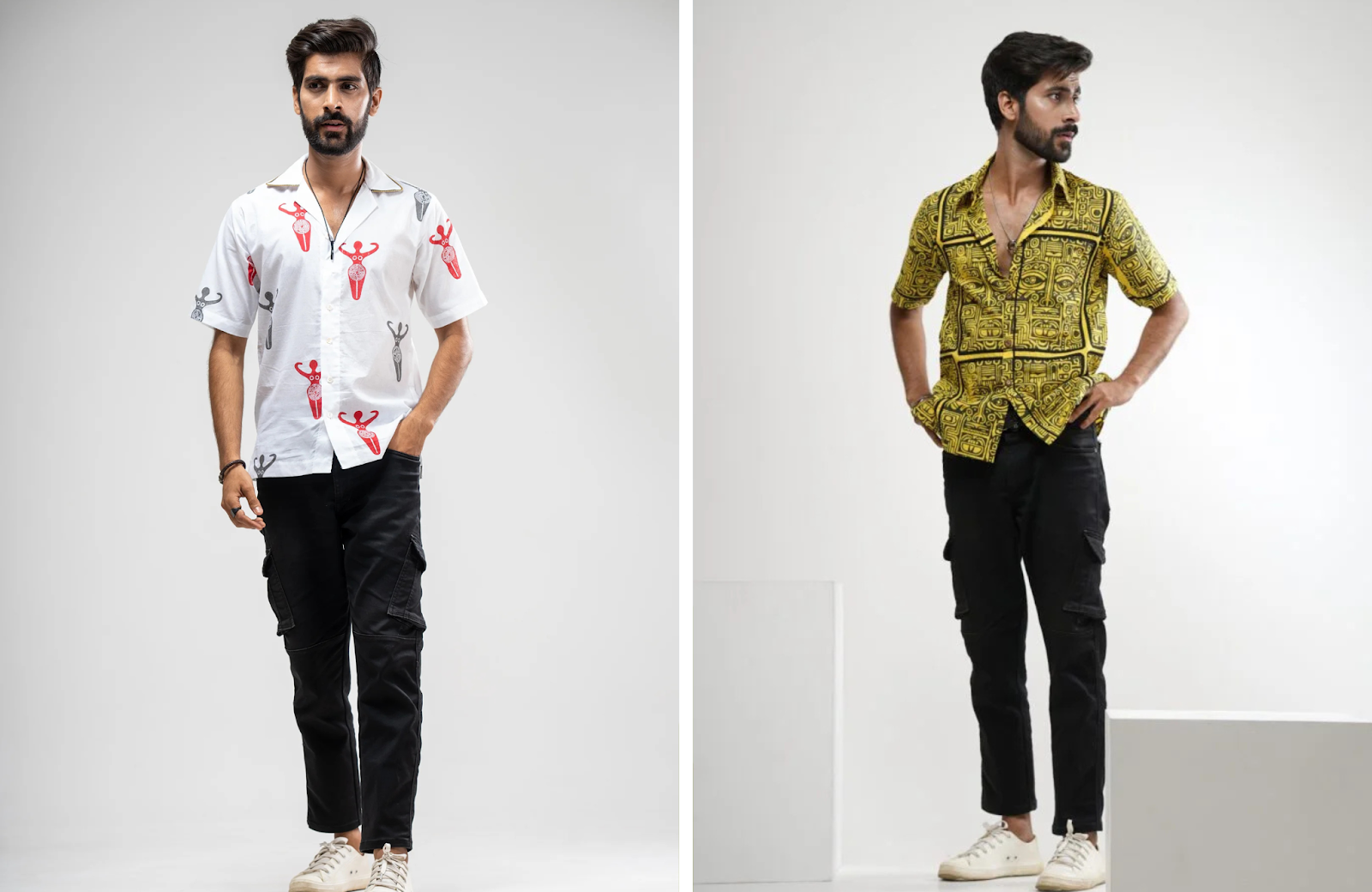
The clothing and pricing label of a garment termed “organic cotton” often comes with the assumption that it’s better for the environment and you. While this is true, there are some complications attached to it.
Discussions about growing cotton organically and its trade practices tend to get complicated quickly. It raises questions on issues such as soil management, authenticity, and traceability. However, you don’t need exhaustive expertise to be a responsible shopper.
So, in this blog, we’re providing you with a brief overview of this subject and practical advice on how to purchase and get the most out of organic cotton shirts for men.
Table of Contents
A Matter of Quality
Let’s tackle the question of quality first. It might be surprising, but organic cotton doesn’t always imply better, not always, not when it comes to feel or look.
Organic cotton is sometimes the opposite of soft
The feel and quality of cotton fabric are mostly determined by the cotton fibre length. Extra-long fibres produce stronger, more flexible, and smoother fabrics. While shorter fibres produce rougher fabrics. However, extra-long fibres can only be cultivated in specific conditions and climates. They are also difficult and expensive to produce without synthetic fertilisers and pesticides. And we all know that organic cotton means none of those harmful chemicals should be present.
So, if you see the organic cotton tag on clothing, it’s usually made with the short-staple fibre. It will feel rougher to the touch, but it still contains the usual benefits of cotton and no harmful chemicals. Whether you can make peace with the texture is up to you.
Soft and organic cotton isn’t inexpensive
If you aren’t ready to compromise, soft organic cotton is available. The biggest criticism a lot of sustainable fashion brands in India face is how pricey their clothes are. However, what most shoppers don’t realise is how this cotton is produced. And when you consider the cost of production and design, it’s not surprising if the average organic cotton shirt for men ends up costing 1500 INR to 2000 INR.
Worthwhile Investment
The price tag might make you stumble, but you have to consider certain things in the long run.
Wear per use
When taken care of properly, cotton can last you forever. Most organic cotton shirts in India are dyed with natural colours and treated to be colour-fast. You can buy the shirt today and keep wearing it for the next decade! For instance, if you purchase a cotton shirt worth 2000 INR, you get an average of 100-200 wears out of it. And if you wear this shirt at least once a month, that’s almost a decade’s worth of wear! A high-quality cotton shirt is, therefore, an investment.
Become a Better Shopper
There’s much room for confusion. Shoppers can feel uncertain and disempowered. But there are proven and simple guides to buying and caring for clothing made from cotton.
Check the labels
When purchasing organic cotton, offline or online, look for labels such as GOTS or OCS. Among the many Indian brands, StudioRitushar by Suchi or No Nasties is GOTS-certified. These brands not only carry the latest casual shirts for men, but also practice sustainability and transparency.
Choose quality and not quantity
You buy less when you buy better. Extra-long staple cottons result in garments that are durable and strong. On the other hand, if a brand sells organic cotton clothing at lower prices, treat it with suspicion. Investigate if it looks like too good of a bargain. Remember, organic cotton that’s also soft is difficult and expensive to produce.
Treat your cotton right
For casual or Indian fusion wear, clean your cotton garments properly to extend their lifespan. Skip the dryer and wash in cold water. Air-drying not only uses less energy but it’s also healthier for the fibres.
Dispose responsibly
If you don’t want to wear your organic cotton garment anymore, donate or resell it if they are in good shape. Additionally, mops and craft projects are a great way to recycle cotton.
The market is inundated with charlatans and fake products, especially when it comes to cotton clothing. Making a purchase today is a whole process. We hope this guide helps you make better choices when it comes to shopping for organic cotton clothing.