
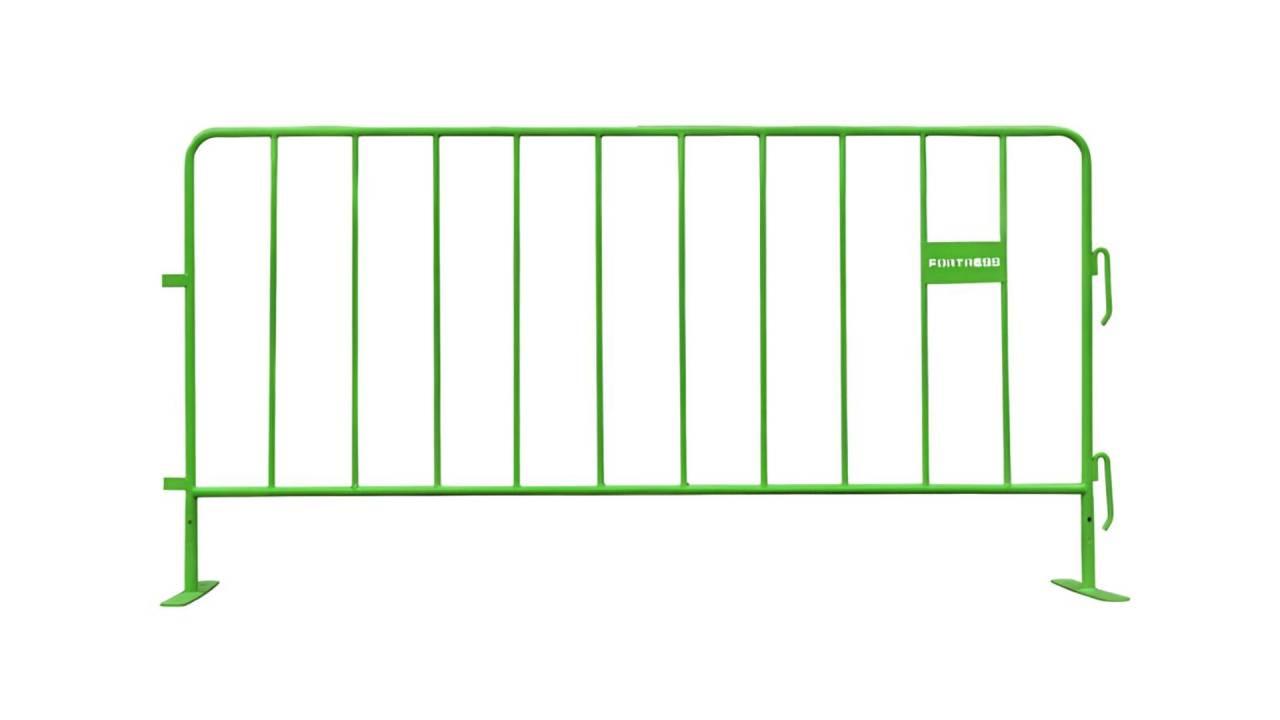
The crowd control barrier is an essential tool for ensuring the safety, organisation, and smooth operation of events and construction sites that involve large crowds or substantial public movement. Whether at a concert, sporting event, public protest, or construction zone, these barriers serve a critical function by managing crowd flow, minimising risks, and facilitating a structured environment.
The Role of Crowd Control Barriers in Managing Crowd Flow
One of the primary functions of crowd control barriers is managing the flow of people, particularly in situations where large numbers of individuals are gathered in confined spaces.
Crowd control barriers work by clearly delineating boundaries and establishing controlled pathways for crowds to move through. Whether they are used to direct people towards entry points, create designated waiting areas, or establish safe zones for specific activities, these barriers provide structure.
Enhancing Public Safety in Construction Zones
Construction zones are inherently hazardous environments with heavy machinery, high platforms, and fast-moving vehicles. To ensure both worker and public safety, crowd control barriers become an indispensable part of managing construction sites. These barriers not only serve to protect the public from entering dangerous areas but also establish clear boundaries for workers.
In high-traffic construction zones, particularly in urban centres, pedestrians need clear guidelines on where they can and cannot walk. Barriers help to reroute foot traffic around active building sites or unstable scaffolding. For drivers, traffic control barriers ensure that vehicles are directed safely away from construction zones, preventing accidents and reducing the risk of delays or mishaps.
Types of Crowd Control Barriers
Crowd control barriers come in various types, each suited for different environments and event sizes.
- Metal Barriers: These are among the most common types of barriers and are used in a wide range of settings. Made from steel or aluminium, they are durable, secure, and can be quickly set up and removed. Metal barriers are often used in outdoor settings like festivals, parades, or sporting events.
- Plastic Barriers: Lighter and easier to move than metal alternatives, plastic barriers are frequently used for crowd control in construction zones, as well as smaller-scale events. They are often used in areas where the crowd volume is moderate but still requires clear demarcation of space.
- Retractable Barriers: These are highly versatile and often used at entrances or exit points. They allow for a flexible crowd control strategy, as they can be retracted or expanded depending on the crowd size and movement flow. This type is often used in airports, train stations, or events that experience varying traffic levels.
- Bollards and Stanchions: Typically used to create simple but effective queues, these barriers are ideal for guiding people to specific areas. These barriers are often seen in line management at ticketing counters or security checks and offer a high level of flexibility.
- Rope Barriers: A simple option, rope barriers are often used for VIP events or in settings where a more elegant and discreet approach to crowd control is needed. Though not as sturdy as other types, they are useful in indoor or controlled environments where crowd movement is easier to predict.
The Importance of Visibility and Durability
For any crowd control barrier to be effective, it needs to be both highly visible and durable. Visibility ensures that the barriers are seen by the crowd, which helps in guiding them and preventing accidents.
Final Thoughts
Crowd control barriers are more than just physical obstacles; they are essential instruments in ensuring safety, managing the flow of people, and maintaining order during large public events and at construction sites. By providing structure and direction, they minimise the risks associated with overcrowding, injury, and accidents. Whether at a concert, a sports event, or a busy construction site, the role of the crowd control barrier cannot be underestimated.