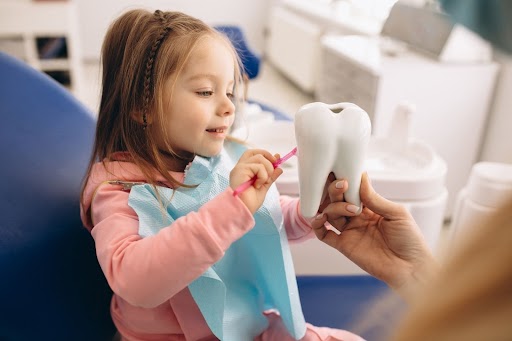
You brush your kid’s teeth twice a day. You remind them about flossing every single time. Sugary snacks? You’ve already cut those down to almost nothing. But somehow, cavities still show up during dental checkups. It’s frustrating, right?Here’s something most parents don’t realize early enough. Brushing alone won’t always protect those back molars. Those teeth have these tiny grooves and deep pits that trap food particles. Even when your child brushes really well, some spots just don’t get cleaned properly. Bacteria love hiding there.
If you genuinely care about keeping your child’s teeth healthy, learning about these treatments matters. Finding a trusted pediatric dental office that actually focuses on prevention instead of just fixing problems makes a huge difference. The right dentist will explain everything and make your child feel comfortable during every visit.
Table of Contents
What Dental Sealants Actually Do
Imagine putting a thin protective shield over your child’s teeth. That’s basically what sealants are. They’re like a clear coating that gets painted onto the chewing surfaces of molars. Once they dry and harden, they keep food and bacteria from getting stuck in those grooves.The whole thing takes maybe five minutes per tooth. The dentist cleans the tooth really well first. Then they apply this special gel that roughens the surface just a tiny bit. After rinsing that off, the sealant gets painted on. A bright blue light helps it harden almost instantly.
No drilling happens during this process. Zero needles involved either. Kids don’t feel any pain or discomfort. Most of them don’t even mind getting sealants because it’s so quick and easy.Most kids get their first round of sealants around age six. That’s when their first permanent molars come through. Then around twelve years old, they get another set for the second permanent molars. Two quick visits can protect teeth for many years ahead.
Why Children’s Teeth Need Extra Help
Kids have softer enamel than adults do. Their tooth structure is still developing and hasn’t fully hardened yet. This makes decay happen faster when bacteria start attacking. Plus, let’s be honest about how kids brush their teeth. They rush through it most mornings. They skip the back teeth sometimes. They get distracted halfway through and call it done.
That’s just normal kid behavior, nothing unusual there. But it does leave their teeth vulnerable to cavities. Sealants help cover those gaps in their brushing routine. They protect the areas kids typically miss or can’t reach well.
When you’re working with a best dentist in cypress, they look at your child’s specific risk factors. Some kids are more prone to cavities than others because of genetics or diet. The dentist recommends sealants at exactly the right time based on your child’s needs. Getting ahead of problems saves everyone from stress later on.
How Fluoride Makes Teeth Stronger
Fluoride is this natural mineral that strengthens the outer layer of teeth. You’ve probably seen it listed as an ingredient in toothpaste. It’s also added to most public drinking water in small amounts. But professional fluoride treatments at the dentist’s office are way more concentrated. They work much faster and penetrate deeper into the enamel.The treatment itself couldn’t be simpler for kids. The dentist uses a small brush or tray to apply fluoride gel, foam, or varnish. It usually comes in flavors like bubble gum, cherry, or mint. Most kids actually like the taste. The whole application takes maybe two or three minutes tops.
Afterward, your child just needs to avoid eating or drinking for about half an hour. That waiting period lets the fluoride really soak into the tooth enamel. Once it absorbs, it starts repairing tiny weak spots that haven’t turned into cavities yet.Fluoride works on a microscopic level inside teeth. It strengthens the mineral crystals that make up enamel. This makes teeth more resistant when acids from food and drinks attack them. It’s like upgrading your child’s natural tooth armor to a stronger version.
Sealants Plus Fluoride Equal Maximum Protection
Each treatment works great by itself. But combining them creates something even better. Sealants guard the outer chewing surfaces where food gets trapped. Fluoride strengthens the entire tooth structure from the inside out.
Picture it like defending a castle from invaders. The sealant is your outer wall that stops enemies at the gate. Fluoride is the reinforcement that makes the whole fortress harder to break through. Together, they create a defense system that cavities really struggle to penetrate.Prevention beats treatment every single time. Spending a few minutes on these procedures now saves hours in the dental chair later. It also saves you from spending money on fillings, crowns, or other expensive fixes. And most importantly, it saves your child from the discomfort and anxiety of having cavities drilled and filled.
What You Should Do at Home Between Visits
Professional treatments matter a lot, obviously. But what happens at home every day matters even more. Brushing twice daily with fluoride toothpaste isn’t optional. Use about a pea sized amount for young kids. Make sure they spit it out instead of swallowing it down.Flossing needs to happen once every day minimum. It cleans the spaces between teeth where toothbrush bristles can’t squeeze through. Start flossing as soon as your child has two teeth touching each other. Yes, even baby teeth need flossing.
Water should be their go to drink for most of the day. It washes away leftover food particles naturally. If your local water supply has fluoride added, that provides extra protection too. Milk is fine at meals, but water is best otherwise.Don’t skip those six month dental checkups no matter how busy life gets. During these regular visits, the dentist examines the sealants for any wear or damage. They can reapply fluoride treatments if your child needs extra protection. They also catch small problems before they turn into big expensive ones.
Making Dental Visits Less Scary for Kids
Some children feel nervous about going to the dentist. That reaction is completely normal and nothing to worry about. The trick is keeping your own attitude positive and relaxed. Kids pick up on parent anxiety really quickly.Explain what’s going to happen using simple, cheerful language. Try saying something like this: “The dentist will paint special stuff on your teeth to make them super strong against sugar bugs.” Avoid using words that sound scary like needle, shot, pain, or drill. Those words create unnecessary fear.
Let your child bring their favorite stuffed animal or toy along. Familiar comfort items help kids feel safer in new situations. Encourage them to ask the dentist questions if they’re curious about anything. Good pediatric dentists love answering kids’ questions.The office environment matters too. Look for bright colors, toys in the waiting room, and friendly staff. A welcoming atmosphere makes a huge difference in how comfortable your child feels.
Clearing Up Confusion About These Treatments
Let’s tackle some myths that confuse parents sometimes. First, some people think sealants only work for little kids. That’s not accurate at all. Teenagers can get them if they have deep grooves in their molars. Even some adults benefit from sealants if they’re cavity prone.Another common worry is whether fluoride is actually safe to use. When dentists use it properly, fluoride is completely safe. Decades of scientific research back this up. It’s one of the most effective cavity prevention tools available in modern dentistry.
Some parents assume these treatments cost too much money. Actually, most dental insurance plans cover sealants and fluoride for children. Insurance companies know these treatments prevent expensive procedures down the road. Even without insurance coverage, they cost far less than filling cavities or placing crowns.Here’s an important point though. Getting sealants doesn’t mean your child can stop brushing their teeth. Sealants only protect the top chewing surfaces of molars. Brushing and flossing are still absolutely necessary for cleaning all the other tooth surfaces and along the gum line.
Why Stopping Problems Before They Start Matters Most
Treating cavities after they form takes time and costs money. It often involves some level of discomfort too. Preventing cavities from forming in the first place is faster, easier, and completely painless. Sealants and fluoride treatments rank among the simplest prevention methods available.
Think about it as investing in your child’s future wellbeing. Every cavity that never forms means one less filling they need. Less time feeling anxious about dental appointments. Better oral health that lasts their entire lifetime.So bring up sealants and fluoride at your child’s next checkup. If you haven’t found the right dentist for your family yet, search for one who really prioritizes prevention. Look for someone who makes children feel comfortable and safe during visits. A healthy smile during childhood sets up success for adulthood.

