
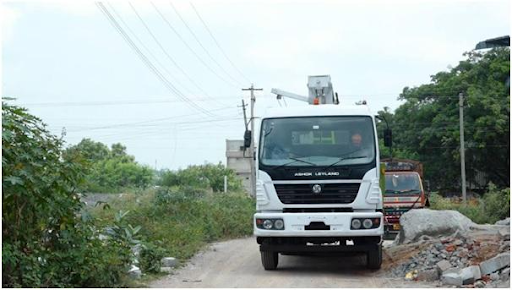
Reliable water sources have been the primary issue sought by agricultural communities, industrial projects, and municipal planners in India. Over the last several years, the development of technology and changing business models have collided and made groundwater exploration more efficient and accessible. This paper discusses the role of portable well drilling equipment and the development of a specialized rig company in the Indian ecosystem, redefining water security, expediting the delivery of projects, and fostering sustainable practices. The discussion will focus on the benefits of the operations, economic effects, regulatory issues, and future directions, all of which are from an objective, third-person view.
Table of Contents
1. The emergence of portable well drilling machines
The portable well drilling machinery has changed the logistics of groundwater accessibility through its ability to bring mobility and flexibility to the traditional drilling processes. Small rigs and portable accessories minimize the necessity of transporting heavy equipment and preparing large sites, which means that drilling crews can access remote or tight areas comparatively comfortably. Portability also reduces the mobilization time, which is imperative to emergency water-supply operations and rapid construction projects. Technically, the modern portable units combine hydraulic systems, small-sized powertrains, and versatile tooling that provide respectable drilling depth and bore quality across a broad spectrum of hydrogeological conditions.
2. The way a rig company in India responds to local needs
The services of a typical rig company in India are usually designed for a highly versatile range of groundwater and terrain conditions. Both market entrants and established players are interested in machines that excel through sandy plains, rocky outcrops, and hard basalt formations. Local rig firms frequently provide a package of services that extend beyond the sale of hardware – such as site surveys, drilling oversight, and post-drilling well testing. This service-based practice assists clients, particularly rural and municipal customers, in acquiring functional wells that meet water yield and quality expectations. Moreover, the training of operators is often provided by local companies, which creates a local skills base and ensures the safe and efficient use of equipment.
3. Economic incentives for small-scale and rural projects
The implementation of small-scale well-drilling equipment has obvious economic benefits to small-scale farmers, rural communities, and micro-enterprises. With decreased capital investment and lower transport expenses, the installation of wells becomes financially feasible where traditional rigs would be prohibitively costly. The presence of locally based rig companies in India also minimizes the total cost of the project by minimizing the time spent in mobilization and providing competitive packages of services. This can be diverted to other ancillary investments like irrigation distribution systems, water treatment or community maintenance funds, and hence increasing the socioeconomic impact of a single well project.
4. The speed of deployment and operational flexibility
One of the most palpable advantages of portable drilling solutions is operational flexibility. Small rigs can be delivered on light vehicles, positioned in rough landscapes, and manned by a small group. In any case of industrial sites that need to access water fast or in response to droughts and emergencies, the capability to get there fast can significantly influence the results. Local rig companies with a fleet of portable well drilling equipment can plan several short-term projects monthly, maximizing utilization rates and providing quicker timelines to customers. This agility is what helps save time when it comes to construction and farm projects, where time wasted can cost a ton of money.
5. Sustainability and environmental considerations
In India, portable well drilling machines and conscientious rig firms contribute to the encouragement of sustainable groundwater utilization in conjunction with adequate hydrogeological evaluation. Since portable rigs can frequently allow smaller diameter boreholes to be targeted, they can be applied to augment managed water systems but not to replace them. Ethical operators emphasize pre-drilling evaluations, aquifer testing, and suggestions concerning recharge or conservation practices. Moreover, the decreased footprint of portable rigs minimizes the instant disturbance of sites. Long-term risks like cross-contamination and excessive drawdown can be controlled when operators adhere to well construction and sealing guidelines.
6. Challenges: regulation, quality control, and aquifer health
Regardless of the benefits, the spread of portable well drilling devices presents regulatory and quality control issues. Poorly located or improperly made wells may hasten the depletion of aquifers or form routes of contamination. A rig company in India, where the focus is on the immediate sale of drilling hours rather than the long-term stewardship of an aquifer, can inadvertently cause damage to water resources. Correspondingly, there is a necessity for more robust regulatory frameworks, uniform training, and open reporting on yields and water quality. The stakeholders, such as local governments, non-governmental organizations, and industry associations, need to work in collaboration in order to implement the best practices and ensure that the advantages of drilling technology are not at the cost of maintaining groundwater sustainability.
7. Training, capacity building, and community involvement
Capacity building is a vital supplement to hardware. The most suitable uses of the portable well drilling equipment are those conducted by well-trained technicians who comprehend the geology, bore design, and pump selection. Rig firms in India which invest in training programs- both for the operators and the local communities- help in creating a safer, more reliable work of water infrastructure. Such community consultation before the drilling may be used to bring expectations into focus and make sure that siting decisions are based on their water demands and long-term maintenance capacity. Incorporating communities in the process increases the likelihood of wells being maintained, utilized reasonably, and being incorporated into overall water-resource strategies.
8. Future outlook and innovation
Portable drilling innovation remains strong with trends favouring automation, telematics, and environmentally friendly designs. Future developments will involve hybrid power systems, remote control of bore performance, and detachable components that will further cut transport requirements. An Indian rig company that adopts such innovations can provide differentiated services and enhance project outcomes. Moreover, hydrogeological mapping and predictive yield modelling digital tools will provide more informed decision-making before drilling, minimizing the occurrence of non-productive wells. These technologies are becoming increasingly available, so the joint impact of smarter equipment and educated operators can significantly enhance groundwater access to underserved groups.
Conclusion
A portable well drilling rig and a responsive rig company in India are both viable options as a feasible avenue to greater water accessibility, especially in areas where conventional measures are either inconvenient or too expensive. Although the mobility and affordability of the recent portable rigs provide obvious economic and operational advantages, they need to be counterbalanced by responsible practice, regulation, and investment in human capacity. The ability to enhance water security at scale is possible when stakeholders such as equipment providers, local rig companies, communities, and policymakers converge on the long-term aquifer stewardship and technical excellence.