
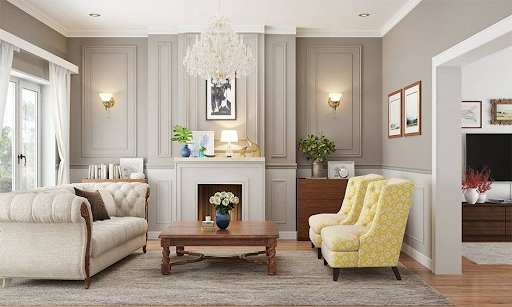
We all love the gritty, industrial lighting style because it has a genuine personality, tells a story, and just feels really great. The type that screams “old factory reborn as home” are those huge metal lights with open bulbs or cage shades. But let’s face it, there’s a narrow line between a chic warehouse loft and a dank basement that you wouldn’t want to stay in.
Allow me to take you step-by-step through the process of making your industrial setup shine without the cave effect.
Start with the Walls as Your Best Friend
First things first: if darkness is creeping in, look at your walls. They’re the secret weapon here. A light wall living room setup changes everything when you’re rocking industrial gear. It opens up the room and creates the ideal contrast by bouncing every bit of light. Your lamp stands tall without lowering the atmosphere and pops like it was supposed to be there. I’ve watched rooms change just with a new coat of paint; it’s cheap, simple, and gives industrial elements a purposeful, rather than intimidating, air.
Layer Your Lights Like a Pro—Don’t Go Solo
Here’s where most folks trip up: thinking one industrial table lamp can light up the whole room. Spoiler: it can’t. That single source leaves corners shadowy and the vibe flat. The fix? Layer like you’re building a mood, not just filling a space. Pair your industrial table lamps—those sturdy ones on side tables or consoles—with living room wall lights higher up. I was browsing Comet Lighting UK recently, and they have amazing options: think sleek sconces in aged brass or black metal that mount easily and cast a soft wash over the walls. Suddenly, you’ve got light hitting from multiple heights—floor lamps low, tables mid-level, walls at eye level. It fills in every shadow, makes the ceiling feel taller, and kills that enclosed “cave” feeling dead. Pro tip: dimmable wall lights let you tweak for movie nights or reading, keeping things versatile without losing the edge.
Choose Materials and Designs That Let Light Breathe
Not all industrial lamps are light thieves. Choose ones with finishes like brushed nickel, vintage copper, or even a wood base for gentle warmth instead of the solid cast iron giants that absorb every photon. Light is spread widely by open designs, such as cage shades, visible Edison-style bulbs, or moving arms, rather than being trapped beneath a closed metal drum.
Master the Bulb Game for Maximum Impact
The lightbulb is the heart of the action, so never ignore it. Do you want even more airiness? Try a slightly colder 3500K white; it does a great job of imitating daylight, especially in smaller areas. With the use of applications, adjustable smart lights allow you to change the lighting to fit any mood. Another benefit is energy savings—no more high costs from using old gas lamps.
Think about scale too. Tight areas are swamped by big lamps; match them to your furniture, such as a beefier light beside a seat or a little cage light on a thin table. Strategically place mirrors to provide depth by spinning light around and amplifying it like magic.
Bottom line: industrial lighting thrives on thoughtful balance. Lean on light walls to reflect, layer sources for fullness, pick breathable materials, and nail the bulbs. People are pulled in rather than turned away by your surroundings, which retains its edge and personality while feeling light and welcoming.