
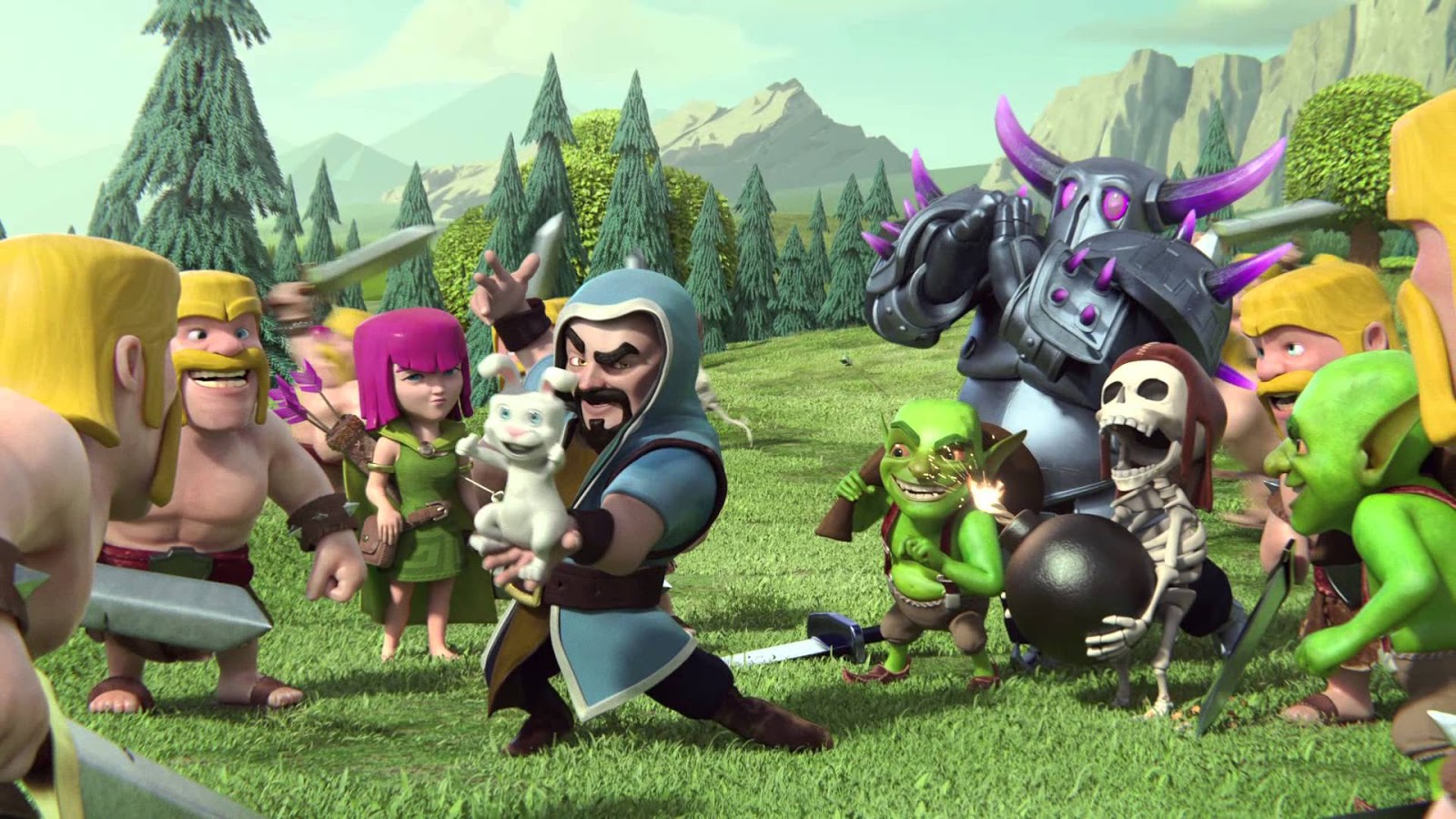
Creating a real-time multiplayer game like Clash of Clans is a massive undertaking but with the right vision, tools, and strategy, it’s possible to craft a global phenomenon. Whether you’re an indie developer or a game design company looking to break into the mobile strategy genre, this guide offers a detailed roadmap to design, build, and scale a successful multiplayer experience.
Table of Contents
Understanding the Essence of Clash of Clans
Before writing a single line of code, it’s crucial to break down what made Clash of Clans a juggernaut in mobile gaming.
At its core, Clash of Clans combines base-building, resource management, and PvP (player-vs-player) strategy. It’s not just about battles it’s about long-term progression, community interaction through clans, and continuous content updates. The real-time multiplayer mechanics make it highly engaging, ensuring players keep coming back.
A game development company must analyze how these systems are interwoven to create a seamless and addictive loop. Success here lies in reverse engineering the experience not cloning it, but understanding how to recreate the feeling it gives players.
Crafting the Game Concept and Unique Selling Point
With your inspiration rooted in Clash of Clans, the next step is to define your unique angle. Why would someone choose your game over an existing one?
Begin by identifying your theme fantasy, sci-fi, historical warfare, or something completely unique. Next, brainstorm features that differentiate your game. This could be:
- A dynamic weather system affecting battles
- Asymmetrical combat mechanics
- Unique base defense AI
- Cross-platform play with PC
Developing a game that competes in today’s saturated mobile market requires not just cloning ideas, but innovating upon them. Your game development company should aim to offer fresh value to users something that feels both familiar and novel.
Designing Real-Time Multiplayer Architecture
One of the most technically demanding aspects of a game like Clash of Clans is its real-time multiplayer infrastructure. You’ll need to choose the right networking architecture from the outset.
The core options include:
- Client-server model: Ensures security and fairness by handling gameplay logic on the server.
- Authoritative server: Prevents cheating and syncs all player actions through a central server
- Peer-to-peer (not recommended): While lighter on infrastructure, it exposes you to cheating and syncing issues.
For a game development company, scalability is key. Services like Photon, Google Firebase, or PlayFab can manage multiplayer sessions, matchmaking, and cloud storage. Custom solutions using Node.js, Socket.IO, and dedicated servers can provide greater control if you’re building from scratch.
Building the Core Gameplay Loop
To keep players engaged, your gameplay loop must be strong and rewarding. In Clash of Clans, the core loop looks something like this:
- Collect resources
- Upgrade buildings
- Train troops
- Attack other players
- Repeat
Your version of the loop could evolve based on your game’s concept. The key is to provide a satisfying rhythm that supports:
- Progression through upgrades and unlocks
- Competition through PvP mechanics
- Engagement through social features like clans and alliances
Keep the early experience accessible but gradually introduce more complexity. A game development company must balance short-term satisfaction with long-term retention.
Creating an Intuitive UI and UX for Mobile
Your game’s success hinges on how easily players can navigate its features. Clash of Clans excels in presenting a lot of information without overwhelming the player. This requires thoughtful UX planning.
Mobile UI design principles to follow:
- Use touch-friendly, responsive buttons
- Prioritize one-tap actions for common tasks
- Implement scalable HUDs (heads-up displays)
- Offer contextual tooltips for new players
Work closely with UI/UX designers to conduct user testing early in development. Every icon, animation, and popup matters. A good game development company knows that smooth UI equals lower churn rates.
Leveraging Backend Systems
The unsung hero of any real-time game is its backend. Without a robust backend system, your game will buckle under pressure. Here are key elements you need:
- Databases: Use NoSQL databases like MongoDB or Redis to store player profiles, match history, and inventory.
- Cloud saves: Let users recover their game data across devices using services like Google Cloud, AWS, or Firebase.
- Matchmaking logic: Match players by level, skill, or trophy count to ensure fair battles.
Your backend must be designed with scalability in mind. A competent game development company should expect rapid player growth and build infrastructure to handle spikes in traffic without downtime.
Implementing Game Economy and Monetization
Free-to-play games like Clash of Clans make billions through smart monetization not pay-to-win mechanics. Your game’s economy should be designed with fairness and sustainability in mind.
Key economic pillars include:
- Soft currency: Earned through gameplay (e.g., gold, elixir)
- Hard currency: Purchased with real money (e.g., gems)
- Premium items: Exclusive skins, builder boosts, or troop upgrades
Effective monetization strategies:
- Limited-time offers and bundles
- Battle passes or seasonal content
- Ad-based rewards (e.g., watch-to-earn)
A game development company must walk a tightrope between profitability and user experience. Monetization should never feel intrusive or necessary to win.

Adding Social Features and Clans
The “clan” in Clash of Clans is more than a feature it’s a community glue. Incorporating social mechanics keeps players emotionally invested and less likely to churn.
Must-have social features:
- Clan systems with levels and perks
- Clan wars and leaderboards
- In-game chat and donations
- Friend invites and referral bonuses
Encourage social competition through events, clan-based achievements, and co-op challenges. A game development company should constantly foster community-building, both inside and outside the game via forums and Discord servers.
Testing, Balancing, and Launch Strategy
Once your game is feature-complete, it’s time to test and refine. Live multiplayer games must be polished before launch to avoid server crashes, bugs, or imbalances that can drive players away.
Testing stages:
- Alpha testing: Internal and closed testing focused on core mechanics
- Beta testing: Public or semi-public testing for server stability and user feedback
- Soft launch: Limited region release to gather live data
Use analytics to measure retention, DAU (daily active users), ARPU (average revenue per user), and crash reports. Constantly iterate and improve. A skilled game development company will have dedicated QA testers, data analysts, and live ops managers on standby.
Post-Launch: Scaling with LiveOps and Updates
Launching your game is just the beginning. Games like Clash of Clans are supported for years through continuous content, events, and seasonal updates.
LiveOps includes:
- Regular balance patches
- Holiday events and skins
- Leaderboard resets and clan tournaments
- New buildings, troops, or mechanics
Keep an eye on analytics to understand what players love and what they ignore. Respond quickly to bugs, and maintain an open line of communication with your community. Any game development company aiming for longevity must master LiveOps to keep the experience fresh.
Conclusion
Creating a real-time multiplayer mobile game like Clash of Clans is no easy feat but it’s far from impossible. With a clear concept, solid backend, engaging mechanics, and an active development cycle, your game could become the next global hit.
By partnering with a professional game development company, you gain access to expertise in scalable infrastructure, game design, UI/UX, monetization, and live support. Whether you’re building a war-themed strategy game or a futuristic colony sim, your path to success starts with smart planning and execution.