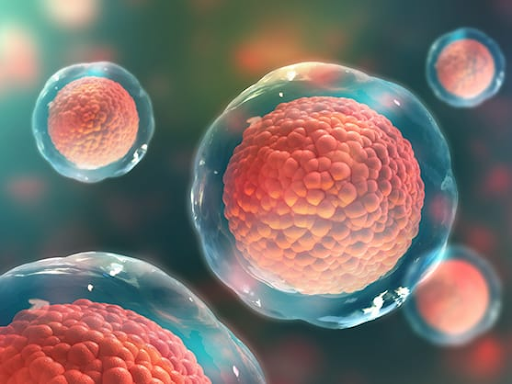
Drug development relies heavily on understanding how a potential therapeutic compound interacts with living systems before it ever reaches a human patient. Safety assessment is a primary hurdle in this process. While traditional methods often depended on animal models, modern biotechnology has shifted toward cell-based assays to predict toxicity earlier and more accurately. These assays provide a controlled environment to evaluate the biological effects of compounds, ensuring that only the most promising and safe candidates progress to clinical trials.
Table of Contents
The Role of Cell-Based Assays in Safety Evaluation
A cell-based assay measures a specific biological function or response in living cells after exposure to a test compound. Unlike biochemical assays that look at isolated proteins or enzymes, cell-based methods account for the complexity of the cellular environment. This includes membrane permeability, intracellular metabolism, and organelle function.
In toxicity testing, these assays are designed to detect adverse effects such as:
- Cell death (cytotoxicity)
- Disruption of metabolic activity
- Damage to DNA (genotoxicity)
- Oxidative stress
- Mitochondrial dysfunction
By identifying these issues early, researchers can filter out toxic compounds during the lead optimization phase, saving resources and reducing the risk of late-stage failure.
Types of Assays: Screening and Functional Analysis
To build a complete safety profile, laboratories typically employ a combination of screening and functional approaches.
Cell-Based Screening Assays
These are often high-throughput methods used to rapidly test large compound libraries. The goal is to identify “hits” that show desired activity or, conversely, to flag compounds that show immediate signs of general toxicity. Common endpoints include membrane integrity or ATP production, which serve as indicators of cell viability.
Cell-Based Functional Assays
Once initial screening is complete, functional assays provide a deeper look into the mechanism of action. These tests determine if a compound alters specific cellular pathways or physiological processes. For example, a functional assay might measure calcium signaling, receptor activation, or protein secretion. This level of detail helps distinguish between a compound that is simply toxic and one that modulates a specific target in a safe, predictable manner.
Precision Data with Liquid Chromatography-Mass Spectrometry
Data collection in cell-based studies requires high sensitivity and specificity. Liquid chromatography-mass spectrometry (LC-MS) has become the gold standard for analyzing assay results. LC-MS enables the separation, identification, and quantification of compounds in complex biological samples. In the context of toxicity testing, it is used to:
- Measure the drug concentration within the cell (intracellular accumulation).
- Identify metabolites formed by the cell’s processing of the drug.
- Detect changes in the cellular proteome or metabolome in response to treatment.
This technique ensures that the observed biological effects are directly correlated with the presence of the drug or its byproducts, providing rigorous quantitative data to support safety assessments.
Predictive Power of Biomarker Services
Another critical component of safety assessment involves biomarkers. Biomarker services focus on identifying and validating biological molecules that indicate normal biological processes, pathogenic processes, or pharmacologic responses to therapeutic interventions.
In toxicity testing, specific biomarkers can signal organ-specific damage long before overt physical symptoms appear. For instance:
- Liver toxicity might be predicted by measuring specific enzymes or microRNAs released by hepatocytes.
- Cardiac liability can be assessed by monitoring markers associated with cardiomyocyte stress.
Integrating biomarker analysis into cell-based studies bridges the gap between in vitro data and in vivo responses, enabling more reliable predictions of how a human patient might respond to the drug.
Advantages of Human Cell Lines Over Animal Models
Historically, animal testing was the primary method for toxicity screening. However, species differences in metabolism and physiology often lead to poor translation to humans. Human cell lines offer a more relevant model. Using human-derived cells provides several distinct advantages:
- Species Specificity: The metabolic pathways and receptors are human-specific, reducing the risk of false positives or negatives due to species differences.
- Reproducibility: Established cell lines provide consistent, reproducible results, unlike animal models, which can exhibit significant biological variation.
- Ethics and Cost: Reducing reliance on animal testing addresses ethical concerns and lowers the cost of early-stage development.
- Patient-Specific Modeling: Primary cells or induced pluripotent stem cells (iPSCs) from patients can be used to assess toxicity in specific genetic backgrounds.
Conclusion
Cell-based assays have become an essential component of modern drug development, offering a reliable and ethical approach to assessing toxicity and safety. By evaluating compounds in living human cells, these assays capture complex biological responses, including cytotoxicity, genotoxicity, and metabolic disruptions, early in the development process. When combined with advanced analytical techniques like LC-MS and biomarker services, they provide precise, quantitative data that inform decision-making. Using human cell lines enhances predictive accuracy, reduces reliance on animal models, and supports the identification of safe and effective therapeutic candidates for clinical advancement.

