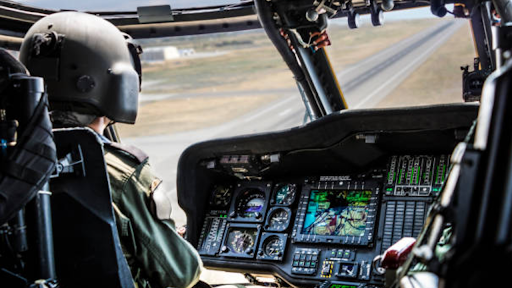
You are tracking multiple flights, pilots, and aircraft, but the data is scattered, delayed, or incomplete.
A small deviation in altitude, torque, or fuel flow can go unnoticed.
Before you know it, minor issues turn into costly delays or safety risks.
What if you see all flight operations in real-time?
- Instantly spot anomalies
- Monitor trends
- Act before problems escalate
You don’t react. Instead, you stay ahead to keep flights smooth, safe, and on schedule.
Let’s see how real-time insights can change the way flights are managed.
Table of Contents
1. Deploy an Integrated Flight Data Monitoring (FDM) Program
The first step is to set up a Flight Data Monitoring (FDM) program. It automatically collects flight info from aircraft sensors like FDRs or Quick Access Recorders (QARs). These systems track:
- Climb rate
- Engine torque
- Fuel use
- Landing performance
Operators can spot problems early on by watching these numbers before they become accidents.
It is also important to customize what you monitor.
Different operations have different needs. For example, emergency medical flights may focus on torque and altitude. Charter flights may be concerned about fuel consumption and route accuracy. Most independent providers of FOQA / FDM, like Brazos Safety’s FDM, are compatible with most aircraft devices. You don’t need to buy a expensive new hardware.
2. Use Real-Time Analytics Dashboards
A real-time analytics dashboard brings together in one place:
- Flight information
- Maintenance updates
- Weather data
Safety teams can quickly:
- See trends
- Unusual events
- Areas where pilots might need extra attention.
These dashboards often include charts and graphs to spot the problems at a glance. For example, you could see if a certain pilot consistently lands with high descent rates or if fuel use is higher than expected on specific routes.
3. Automate Alerts and Reports
You can set the systems to notify your team immediately for:
- Sudden altitude change
- A hard landing
- Engine exceeding safe limits
Automatic reports make it easier to keep everyone in the loop, from pilots to safety officers. They can receive summaries of flight events without having to go into the raw data.
4. Integrate Safety and Compliance Frameworks
Your FDM/FOQA system should not work alone. It becomes far more effective when it connects with your safety and compliance programs. Integration helps your team see the full picture instead of working with scattered information. For example, flight data shows a recurring issue like unstable approaches or speed deviations. It can automatically link to your Safety Management System (SMS) for further review. Integration with compliance frameworks also helps you stay audit-ready. You can generate reports that show how your operations meet FAA, EASA, and other local authority guidelines.
5. Enable Continuous Training and Feedback
An FDM or FOQA program helps spot:
- Hard landings
- Late checklists
The crew can work on changes in trends before they turn into problems. Pilots can also see where they did great and where they can improve after each flight.
6. Strengthen Data Security and Reliability
Flight data is valuable, and it needs to be kept safe. You don’t want sensitive flight or maintenance information to end up in the wrong hands or get lost.
Start by using platforms that follow the strong security standards like SOC 2 Type I and ISO 27001.
These certifications mean the company’s systems are regularly tested and proven to keep data safe.
It is also smart to use NDAA-compliant components so your data and hardware meet government security rules.
7. Leverage Continuous Vendor Support
The best flight data systems need a reliable partner behind them. You first need to make sure you get:
- 24/7 expert support
- Help with thorough setup, troubleshooting, and data interpretation
Conclusion
The process of obtaining real-time insights and converting them into flight operations is not limited to just collecting data. It is about turning that data into smart and safer decisions. You need:
- Right mix of technology
- Continuous monitoring
- Team collaboration
Choose the FOQA/FDM program from reputable providers to get real-time dashboards, automated alerts, and continuous support.

