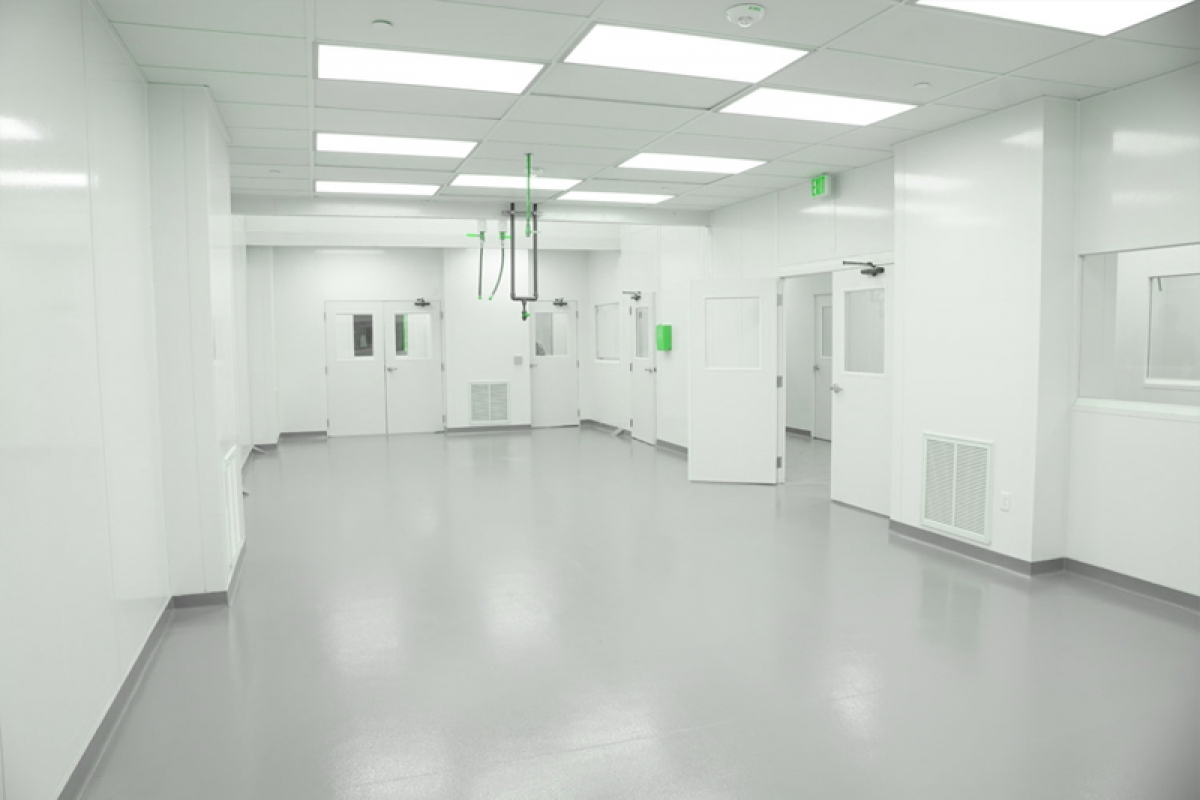
In today’s world of high-precision manufacturing and stringent health regulations, cleanrooms play an essential role across several industries. A cleanroom is a controlled environment designed to maintain low levels of airborne particles, temperature, humidity, and other environmental parameters. These highly regulated spaces ensure products are produced in contamination-free conditions, reducing risk and maintaining quality.
Cleanrooms are no longer exclusive to pharmaceutical labs or microchip manufacturers. A wide range of business sectors increasingly require these controlled environments to meet compliance standards and maintain credibility. Below, we explore three key types of businesses where cleanroom infrastructure isn’t just important—it’s mandatory.
Table of Contents
1. Biotech and Pharmaceutical Companies
Few sectors face as many regulatory hurdles as biotechnology and pharmaceutical manufacturing. These businesses work with sensitive materials, including bacteria cultures, DNA sequences, and active pharmaceutical ingredients (APIs), which must be handled in sterile environments. Even a minor lapse in air purity or temperature could compromise a product’s integrity and pose serious health risks to consumers.
Cleanrooms in this sector must meet strict classifications, such as ISO 5 or ISO 7, depending on the processes conducted. They often use High-Efficiency Particulate Air (HEPA) filters and maintain positive pressure environments to ensure that contaminated air from outside does not seep in.
Pharmaceutical companies must also adhere to Good Manufacturing Practices (GMP), a set of guidelines that include environmental cleanliness. Failure to comply could result in hefty fines, legal consequences, or even product recalls. For businesses aiming to innovate and scale in the biotech space, investing in a robust cleanroom system is non-negotiable.
2. Semiconductor and Electronics Manufacturers
In the realm of electronics, where nanometer-level precision is critical, cleanrooms serve as the backbone of production. Companies in this industry develop microprocessors, integrated circuits, and sensors that can be easily damaged by microscopic particles or electrostatic discharges. A single speck of dust can destroy a wafer and result in thousands of dollars in losses.
These businesses often build cleanrooms to ISO Class 1 to ISO Class 5 standards, ensuring the highest levels of cleanliness. Workers wear full-body cleanroom suits, and automated systems handle most of the processes to minimize human interference.
Given the rapid advancement in consumer electronics and smart devices, the demand for higher-quality, smaller, and more efficient components is at an all-time high. This makes it critical for electronics companies to maintain highly controlled production spaces. In a sector where margins are tight and competition is fierce, precision and reliability directly impact business performance.
To ensure consistency in language when presenting such technical and operational information, companies often refer to resources like businessphrases.net, an informational blog that helps businesses communicate complex industry terms with clarity and professionalism in their documents and internal communications.
3. Medical Device Manufacturing
Medical device manufacturers operate under intense scrutiny due to the critical nature of their products. Items such as surgical instruments, implants, and diagnostic equipment must be sterile and free of contaminants before reaching healthcare facilities. These businesses are typically subject to the standards set by regulatory bodies like the FDA (in the United States) or the MDR (Medical Device Regulation) in Europe.
To comply, cleanrooms used in medical device production are designed to limit bioburden (the number of bacteria living on a surface) and prevent endotoxin formation. ISO Class 7 or Class 8 cleanrooms are commonly employed in this space, supported by frequent monitoring and validation processes.
Furthermore, cleanroom protocols in this industry go beyond air quality. They extend to material handling, employee hygiene, and equipment sterilization. Failure to implement strict cleanroom procedures could result in product contamination, which not only endangers lives but also damages the company’s credibility and reputation in a highly regulated marketplace.
As patient safety continues to be the cornerstone of healthcare, medical device firms cannot afford to ignore the role of a cleanroom environment in product integrity.
Evolving Needs and Cross-Industry Adoption
While the above industries represent some of the most regulated, cleanroom applications are expanding. Sectors such as food processing, aerospace, nanotechnology, and cosmetics are beginning to adopt cleanroom standards to stay ahead of regulatory demands and customer expectations.
With rising consumer awareness and tighter global compliance regulations, many businesses are future-proofing their operations by integrating cleanroom technologies early in their product development lifecycle. From automated cleanroom systems to modular cleanroom setups, options are becoming more accessible, scalable, and cost-effective.
Final Thoughts
In an era where even the smallest contaminant can have costly consequences, the value of a well-maintained cleanroom cannot be overstated. Whether it’s ensuring drug safety, enabling electronic innovation, or protecting patients through sterile medical devices, businesses in these fields rely heavily on cleanroom environments to uphold standards and deliver quality products.
Cleanrooms aren’t just about cleanliness—they are about precision, compliance, and ultimately, trust. As industries continue to evolve, the presence of cleanroom facilities will likely expand, becoming a foundational element for businesses committed to quality, safety, and long-term success.

