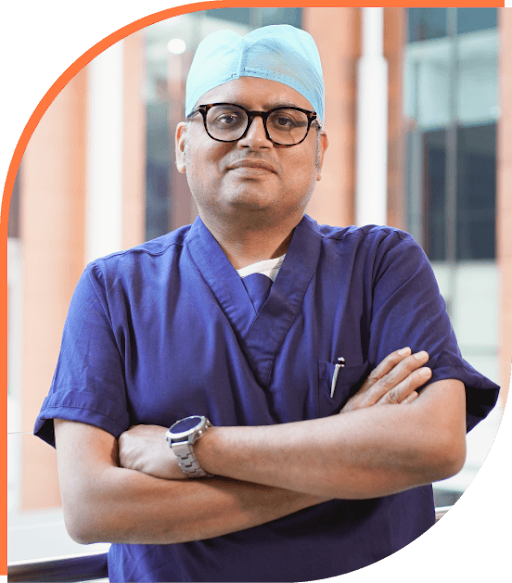
Heart health is one of the most critical aspects of overall well-being, and advancements in cardiology are providing patients with effective, safe, and personalized treatments. Consulting the best cardiologist in Gurgaon can ensure timely diagnosis, precise treatment plans, and preventive strategies that safeguard cardiovascular health. From advanced imaging techniques to minimally invasive interventions, modern cardiology offers a comprehensive approach to managing heart conditions.
With rising awareness about cardiovascular diseases, patients increasingly seek expert guidance to address symptoms, prevent complications, and enhance quality of life. Regular check-ups, early interventions, and innovative treatment options allow individuals to maintain optimal heart function while minimizing risks. Access to a best cardiologist in Gurgaon provides confidence and peace of mind to patients navigating complex cardiac concerns.
Table of Contents
Advancements in Diagnostic Cardiology
Accurate diagnosis forms the foundation of effective cardiac care, and consulting the best cardiologist in Gurgaon ensures that modern tools and techniques are applied to detect heart conditions early, improving treatment outcomes.
-
Non-Invasive Imaging Techniques
Advanced imaging technologies, including echocardiograms, CT angiography, and MRI scans, enable detailed visualization of heart structures. These tools allow cardiologists to identify blockages, valve issues, and structural abnormalities with precision.
-
Electrophysiology Studies
Electrophysiology tests help detect abnormal heart rhythms and pinpoint sources of arrhythmias. Through these studies, cardiologists can design targeted interventions that restore normal rhythm and reduce complication risks.
-
Stress Testing and Cardiac Monitoring
Exercise or pharmacological stress tests assess how the heart functions under pressure. Continuous cardiac monitoring through wearable devices helps track heart activity, enabling early detection of irregularities.
-
Biomarker Analysis
Blood tests measuring cardiac biomarkers, such as troponin and BNP, provide insights into heart muscle damage and heart failure risk. These tests are essential in acute and chronic cardiac care.
-
Advanced Risk Assessment Tools
Cardiologists now use AI-assisted predictive models to assess a patient’s risk for heart disease. By analyzing lifestyle factors, genetic predispositions, and clinical data, physicians can customize preventive strategies.
-
Comprehensive Health Screenings
Routine screenings, including cholesterol, blood pressure, and glucose monitoring, complement diagnostic tools. Integrating these results with imaging and lab tests ensures holistic cardiac evaluation.
Expert Cardiac Interventions
Interventions by specialized cardiologists can correct structural and functional heart issues, improving outcomes and quality of life for patients with complex conditions.
-
Percutaneous Coronary Interventions (PCI)
PCI, or angioplasty, opens blocked arteries using catheters and stents. This minimally invasive procedure restores blood flow, alleviates chest pain, and reduces the risk of heart attacks.
-
Valve Repair and Replacement
Cardiologists can address valve disorders through surgical or transcatheter techniques. Modern methods reduce recovery times while effectively improving cardiac function.
-
Ablation Procedures
Ablation uses energy to correct abnormal electrical pathways in the heart. It is a proven method for treating arrhythmias, often reducing dependence on long-term medication.
-
Pacemaker and ICD Implantation
Implantable devices, including pacemakers and defibrillators, regulate heart rhythm. Cardiac specialists ensure precise implantation and programming for optimal performance and safety.
-
Heart Failure Management
Modern cardiology combines pharmacological therapies, device support, and lifestyle interventions to stabilize patients with heart failure. Continuous monitoring and customized care improve long-term prognosis.
-
Emergency Cardiac Care
Rapid interventions in acute events, such as myocardial infarctions, are crucial. Expert cardiologists provide immediate reperfusion therapy, medication, and critical care support to save lives.
Cardiac Surgery Innovations
Surgical techniques in cardiology have evolved to reduce risk, enhance recovery, and improve outcomes. Skilled cardiac surgeons in Gurgaon offer both traditional and modern procedures tailored to patient needs.
-
Coronary Artery Bypass Grafting (CABG)
CABG remains a critical procedure for severe coronary artery disease. Advanced techniques, including off-pump and robotic-assisted bypass, minimize invasiveness while restoring optimal blood flow.
-
Heart Valve Surgery
Surgical interventions for valve repair or replacement address structural defects, ensuring proper circulation and preventing complications. Innovations in materials and minimally invasive approaches enhance patient outcomes.
-
Aneurysm Repair
Cardiac surgeons can treat aneurysms in the aorta and other vessels using open or endovascular methods. These procedures prevent rupture and maintain vascular integrity.
-
Congenital Heart Defect Correction
Children and adults with congenital defects benefit from specialized surgical approaches. Skilled cardiac surgeons correct structural anomalies while minimizing trauma and long-term complications.
-
Robotic-Assisted Cardiac Surgery
Robotic systems enhance precision and control, allowing surgeons to perform complex procedures through smaller incisions. Patients experience less pain, faster recovery, and improved cosmetic outcomes.
-
Post-Surgical Rehabilitation
Comprehensive cardiac rehabilitation, including physiotherapy and lifestyle coaching, ensures long-term recovery and reduced recurrence risk. Surgeons collaborate closely with cardiologists to monitor patient progress.
Minimally Invasive Cardiac Procedures
Minimally invasive techniques are transforming cardiac surgery, offering safer options with quicker recovery and reduced complications.
-
Transcatheter Procedures
Procedures such as TAVR (transcatheter aortic valve replacement) allow valve replacement without open-heart surgery. These techniques are ideal for patients at high surgical risk.
-
Endoscopic Heart Surgery
Endoscopic methods use small incisions and cameras to guide surgery. This approach reduces trauma, scarring, and post-operative discomfort.
-
Robotic and Assisted Navigation
Robotic tools enable precise maneuvers in delicate heart structures. Surgeons can perform complex procedures with enhanced accuracy and reduced human error.
-
Catheter-Based Interventions
Many structural heart issues, including septal defects, can be corrected via catheterization, avoiding open-heart surgery entirely. These interventions shorten hospital stays and enhance recovery.
-
Hybrid Procedures
Combining surgical and interventional techniques offers tailored solutions for complex cases. Hybrid approaches optimize outcomes and minimize risks for high-risk patients.
-
Enhanced Recovery Protocols
Minimally invasive surgery is complemented by protocols that emphasize early mobilization, pain management, and nutritional support, ensuring patients regain strength quickly.
Conclusion
Modern cardiology has dramatically improved the way heart conditions are diagnosed, treated, and managed. From consulting the best cardiologist in Gurgaon for accurate assessment to seeking guidance from expert cardiac surgeons in Gurgaon, patients now have access to a comprehensive range of options. Innovative techniques, including minimal invasive surgery in Gurgaon, offer safer, efficient, and effective solutions for complex cardiac issues.
Dr. Udgeath Dhir provides advanced cardiac care, integrating expertise in diagnosis, surgical procedures, and minimally invasive techniques. Patients seeking exceptional care can rely on their guidance to achieve optimal heart health through personalized treatment plans, modern interventions, and professional support throughout their cardiovascular journey.

