
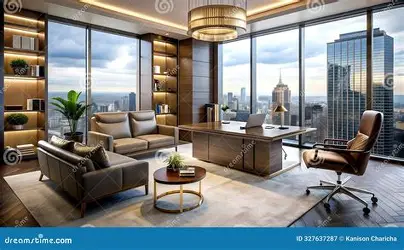
critical role in employee satisfaction, creativity, and business growth. In today’s world, a well-designed office must balance beauty with purpose, where every design element contributes to a seamless, productive work environment. Gone are the days of sterile cubicles and dull lighting. Now, companies are embracing innovative layouts, human-centric design, and technology integration to build flexible, functional, and visually stunning workplaces.
The secret to a successful office lies in blending style with practicality, creating a space that energizes employees, impresses clients, and adapts to future needs. This article dives into how smart planning and thoughtful aesthetics can lead to impactful office environments, especially with guidance from top-tier professionals like Office Interior Designers in Gurgaon.
Table of Contents
Open Layouts that Promote Flow, Focus, and Flexibility
The open-plan concept has transformed how offices operate. By eliminating walls and physical barriers, businesses encourage transparency, collaboration, and movement. But an open layout doesn’t mean sacrificing functionality. The key lies in zoning—clearly defining areas for deep work, teamwork, relaxation, and circulation without using physical walls.
This can be achieved through intelligent furniture arrangement, acoustic partitions, flooring changes, or variations in lighting. Open layouts should be enhanced with materials that absorb sound to maintain privacy in certain areas. Large communal tables can double as hot desks or team meeting spots, while corner lounges can serve as quiet retreats. Flexibility is vital; as teams grow or priorities shift, the space must easily adapt without major overhauls.
Open plans should be accompanied by natural lighting and greenery to prevent fatigue and promote well-being. Skylights, glass walls, and indoor planters can divide spaces organically, creating soft transitions between work zones while preserving openness.
Minimalist Aesthetic That Encourages Clarity and Calm
A minimalistic approach to office design not only appeals visually but supports mental clarity and workplace efficiency. Clean lines, neutral colors, and purposeful furnishings form the backbone of minimalist design. Uncluttered spaces promote focus, while streamlined furniture ensures optimal functionality.
Start by eliminating unnecessary objects—every piece of furniture or decor must serve a purpose. Desks with integrated storage, wall-mounted shelving, and cable management systems keep workspaces tidy and organized. Digital tools can replace stacks of paperwork, helping to create a seamless and clean environment.
Neutral color palettes—whites, greys, soft beiges—dominate minimalist offices. However, subtle accents in the form of muted blues, olive greens, or burnt oranges can add warmth without overwhelming the design. Matte finishes on walls and furniture provide texture and sophistication.
Lighting plays a huge role in minimalist spaces. Indirect lighting, recessed LEDs, and natural daylight soften the room, creating a sense of openness and calm. Adding indoor plants or minimalist art pieces brings personality without clutter.
Technology Integration Without Visual Clutter
One of the major challenges in modern office design is integrating advanced technology without disrupting visual harmony. With the rise of hybrid work and virtual collaboration, offices need to support seamless tech integration—from video conferencing systems and interactive displays to smart lighting and automation.
Clever design can hide wires, routers, and devices within desks, wall units, and ceiling panels. Custom-built furniture often includes concealed cable trays, pop-up outlets, and docking stations. Meeting rooms are increasingly being equipped with built-in AV systems and wireless connectivity while maintaining a clean aesthetic.
Motion sensors, occupancy-based lighting, and smart HVAC systems contribute to energy efficiency and comfort. These features should be embedded invisibly into the office infrastructure to avoid visual clutter. The result is a workspace that’s technologically advanced yet elegant and understated.
Biophilic Design: Bringing Nature Indoors
Biophilic design—the practice of connecting people with nature through the built environment—is no longer a luxury; it’s a necessity in the modern workplace. Research shows that exposure to natural elements boosts creativity, reduces stress, and improves overall well-being.
Incorporating greenery can be as simple as placing potted plants around the workspace or as advanced as installing living green walls and indoor gardens. Natural textures like wood, stone, rattan, or cork can be used in flooring, partitions, and furniture to add a tactile, organic feel.
Maximizing natural light is another principle of biophilic design. Workstations should be placed near windows or glass partitions, while reflective surfaces help bounce light deeper into the space. Water features, earthy color schemes, and nature-inspired artwork can subtly reinforce the connection to the outdoors.
A biophilic office not only looks refreshing but creates a calming environment that supports mental wellness and encourages productivity, making it one of the most functional aesthetic decisions a business can make.
Multi-Functional Spaces for Changing Workstyles
Modern offices must accommodate a variety of tasks, teams, and working styles. This has led to a rise in multi-purpose spaces that can shift roles throughout the day. A breakout area can double as a casual meeting spot. A café corner can serve as a place for brainstorming sessions or client catch-ups.
Design elements like modular furniture, sliding doors, mobile whiteboards, and retractable partitions make it easier to reconfigure space on demand. This flexibility is essential in an age where hybrid schedules, pop-up teams, and dynamic workflows are the norm.
Furniture should support this flexibility—foldable chairs, height-adjustable desks, stackable seating, and mobile workstations allow businesses to make the most of their real estate without compromising aesthetics. These changes also reflect a forward-thinking, people-first approach to workplace design.
Conclusion
Modern office design is an evolving blend of creativity, comfort, and capability. It goes beyond just creating a visually appealing space—it’s about building an environment that supports people’s needs while expressing a brand’s culture and future direction. Whether through open layouts, integrated technology, minimalist elegance, or biophilic calm, the modern workspace is now a strategic asset that influences performance, engagement, and success.
Businesses seeking to strike this delicate balance should consider partnering with professional interior designers in Gurgaon, who bring the expertise needed to transform creative vision into practical reality. By blending aesthetics with functionality, you’re not just designing an office—you’re designing an experience.