
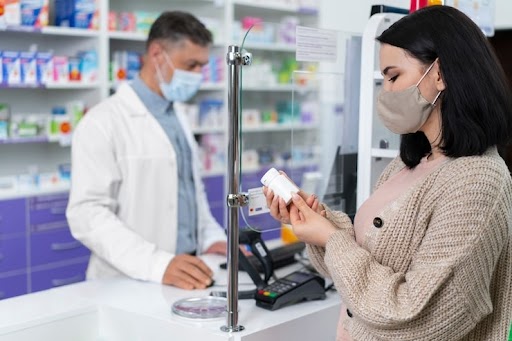
Getting necessary medicines is still one of the biggest problems in healthcare in parts of the United States where resources are limited. Pharmacies are shutting down faster than ever, and many areas are left with struggling healthcare systems. This puts more strain on the medicine supply chain to close the growing gaps in availability. It is now more crucial than ever to realize how key Drug and pharmaceutical distributors are in keeping this system running.
Table of Contents
A Worsening Problem in Struggling Communities
The crisis of pharmacy access in the United States is getting worse. Since 2010 almost one out of every three retail pharmacies has shut down, and the problem has grown more serious in the last few years. From 2018 to 2021, pharmacy closures affected 41 states. Data shows that just in the first ten weeks of 2025 at least 326 pharmacies shut their doors, with 237 of them being owned.
Rural areas elderly individuals, and families with low incomes often depend on independent pharmacies. The closure of these pharmacies removes a vital resource for obtaining vaccines , health check-ups, and medication advice. This creates more difficulties leading to worse health conditions overall and more visits to emergency rooms.
Ways Pharmaceutical Distributors Fill the Gaps
Drug distributors connect the pharmaceutical manufacturing companies to the pharmacies, hospitals, and clinics that treat underprivileged patients.
Making Sure the Supply Chain Works
These distributors keep lots of drugs on hand, and they have good delivery systems. This means medicine can get to places that are quite remote. They make it easier to buy and deliver drugs, helping local pharmacies compete.
Helping Small Pharmacies
Small pharmacies struggle with low profits and tough reimbursement setups. A good distributor can give them a fair chance with better prices flexible payment options, and a wide range of medicine choices to meet their needs.
Improving Access Through New Ideas
Innovative distributors support new solutions such as telepharmacy and team up with mobile health clinics to bring medications to people outside the usual locations.
Regulatory Compliance and Patient Safety
Drug distributors play a huge role in keeping medications safe as fake drugs become more common. Getting the thumbs-up from groups like the National Association of Boards of Pharmacy and sticking to FDA rules are important to prove that drugs are real and safe. Following the Drug Supply Chain Security Act also makes sure that every medication is handled correctly and is top-notch. This is critical when healthcare systems are already under pressure.
Drugzone: Supporting Broader Access
Drugzone Pharmaceuticals serves as a clear example of how a dedicated distributor can improve access to medications throughout the United States.
Beginnings and Qualifications
- NABP-approved distributor of generic pharmaceuticals with a national license
- Authorized to operate across all 50 states
- Main office located in Nanuet, New York
- Established by a pharmacist licensed in New York
- Registered with the FDA and meets DSCSA 2025 standards
Wide Range of Products
Drugzone has over 2,000 products, from generics and specialized meds to daily, OTC essentials. We supply independent pharmacies, hospitals, long-term care places, and specialty clinics, so they can all give patients what they need.
Facilities and Delivery Network
Drugzone has a high-tech, 20,000 sq ft facility with advanced storage for drugs. Its delivery network makes sure shipments arrive on time, even in remote areas.
Focus on Partnerships
Drugzone’s sales team made up of skilled professionals, who are equipped with years of experience. They provide direct help with pricing managing inventory, and meeting regulatory requirements. Independent pharmacies facing competition from big chains find this support vital.
Vision and Impact
Drugzone understands that when pharmacies close in underserved areas, patients often have nowhere else to go. To prevent this, they offer flexible payment options fair pricing, and responsive service. They focus on keeping essential community healthcare hubs running. They verify all products to ensure safety and authenticity protecting people who are at risk. For many pharmacies that serve as their community’s main healthcare provider, Drugzone’s dependability can decide whether they survive or shut down.
Looking Ahead
The provision of medication access for those living in underserved areas requires collaborative teamwork throughout the healthcare system. Companies such as Drugzone prove it is possible to correct supply chain issues and enable access to medications for everyone regardless of income and geographic location, provided that companies are committed, knowledgeable and operate with the appropriate systems in place.
FAQs
Q1. What does a drug or pharmaceutical distributor do?
Drug or pharmaceutical distributors connect drug manufacturers with healthcare providers like clinics, hospitals, and pharmacies. They buy medicines in large amounts, keep them in stock, store them correctly, and deliver them while following the rules.
Q2. How do drug distributors support independent pharmacies in competing?
Distributors assist independent pharmacies by offering lower prices through bulk buying power. They also offer lots of products, payment plans that work well for small shops, and help with delivery. This gives small pharmacies a leg up when talking prices with the big manufacturers.
Q3. What should pharmacies consider when choosing a drug wholesaler or distributor?
Pharmacies need to check for important things like NABP accreditation, following FDA rules, and DSCSA compliance. They should also consider the distributor’s inventory size dependable delivery services good customer support competitive pricing, and experience with similar types of businesses. Distributors with licenses to operate in all states give the most flexibility.
Q4. How does improving pharmaceutical distribution lower healthcare expenses?
Streamlined distribution prevents running out of medications and helps people stick to their treatments. This avoids expensive problems and emergencies that strain the healthcare system.