Abdominal skin can lose firmness due to pregnancy, weight changes, or ageing, and in many cases, it does not improve with exercise alone. Abdominoplasty is a surgical procedure that addresses excess skin and weakened muscles in the midsection. This guide explains how the procedure works, who may benefit from it, and what patients can expect before and after treatment in Adelaide. It provides clear information to support informed decisions based on medical advice.
Table of Contents
What Abdominoplasty Means for Abdominal Skin and Muscle Tone?
Abdominoplasty focuses on improving abdominal firmness by addressing excess skin and weakened muscles. Over time, skin may stretch beyond its ability to retract, particularly after pregnancy or weight changes. In these cases stomach skin removal helps restore abdominal shape by removing excess skin and reinforcing the abdominal muscles. The procedure aims to improve physical comfort, posture, and overall abdominal contour through a structured surgical approach.
Common Reasons People Seek Stomach Skin Removal
Several physical changes can lead individuals to consider surgical correction of the abdomen. The most common reasons include the following:
- Skin stretching following pregnancy that does not resolve naturally
- Loose abdominal skin after significant weight loss
- Persistent skin folds causing irritation or discomfort
- Muscle separation affecting abdominal support
These factors often combine, making stomach skin removal a practical option when non-surgical methods no longer provide improvement.
Initial Consultation and Assessment in Adelaide
The consultation stage ensures that the procedure aligns with the ppatient’shealth and expectations. The surgeon reviews the medical history, examines the skin, and assesses muscle tone. This discussion also covers preparation steps, recovery planning, and possible outcomes. Clear communication during this phase helps patients understand the scope of treatment and make informed decisions based on professional guidance.
Surgical Process of Abdominoplasty
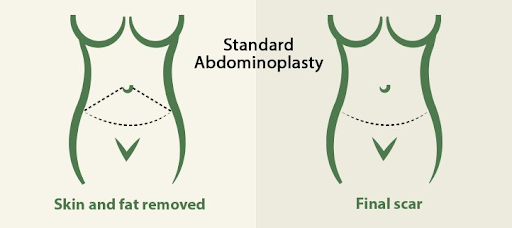
Abdominoplasty follows a structured surgical sequence designed to address both skin and muscle concerns. The main steps typically include:
- Administration of general anaesthesia
- Placement of a lower abdominal incision
- Removal of excess skin and tissue
- Tightening of the abdominal muscles
- Repositioning of remaining skin for a smoother contour
Each step supports functional and aesthetic improvement. The surgeon places incisions carefully to reduce visible scarring under clothing.
Recovery Timeline and Post-Surgical Care
Recovery progresses in stages and requires adherence to medical advice. Patients should expect the following phases:
- Initial rest and monitoring immediately after surgery
- Gradual return to light daily activities
- Ongoing wound care and scar management
- Scheduled follow-up appointments for progress review
Following aftercare instructions supports proper healing and helps achieve stable results over time.
Consideration of Additional Body Contouring Procedures
In some cases, patients discuss combining abdominoplasty with other surgical treatments. These discussions remain individualised and clinically guided. When appropriate, surgeons may also address procedures such as breast implants to achieve balanced proportions. The inclusion of breast implants requires careful assessment of recovery capacity and overall health, ensuring that combined treatment remains safe and manageable.
Conclusion
Abdominoplasty provides a structured solution for individuals with excess abdominal skin and weakened abdominal muscles. Through careful assessment, precise surgical planning, and consistent aftercare, patients can achieve a firmer and more comfortable midsection with long-term stability. The procedure also supports improved posture and easier movement during daily activities. Professional guidance ensures that outcomes remain safe, realistic, and medically appropriate.

