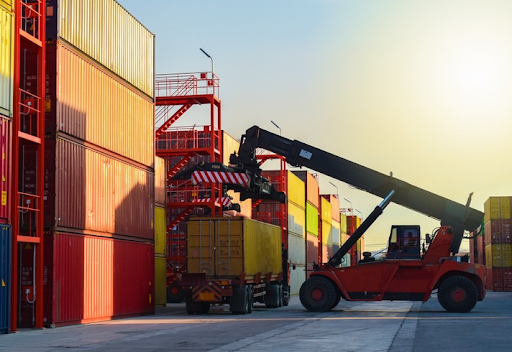
Global trade has never been more dynamic than it is today. Businesses are exploring new markets, customers expect faster delivery, and supply chains are becoming increasingly complex. In this environment, forwarding plays a pivotal role in ensuring goods move efficiently across continents. From raw materials to finished products, sea transport remains one of the most cost-effective and reliable solutions for businesses of all sizes.
Understanding the nuances of ocean freight and the role of professional freight carrier companies can help businesses navigate challenges, reduce costs, and build a supply chain that meets modern demands.
Table of Contents
The Growing Importance of Ocean Freight
Sea transport handles more than 80% of global trade, and its significance continues to grow. Unlike air cargo, which is faster but more expensive, ocean freight offers a balance of cost-efficiency and large-volume capacity. Industries ranging from manufacturing and retail to agriculture rely on it to move goods in bulk while maintaining a predictable budget.
Ocean freight forwarding involves a series of complex steps, from booking cargo space to preparing documentation, managing customs clearance, and coordinating last-mile delivery. Businesses that understand this process gain a competitive edge, ensuring their products reach markets smoothly and on time.
How Freight Carrier Companies Add Value
Shipping large quantities of goods requires more than just vessels, it demands expertise. This is where professional freight carrier companies come into play. They act as the bridge between exporters, importers, and shipping lines, offering services that include route optimization, cargo insurance, documentation management, and real-time shipment tracking.
By leveraging the experience of these companies, businesses can reduce delays, avoid regulatory issues, and ensure cargo safety. Moreover, freight carriers provide insights into market trends, helping companies plan logistics strategies that align with seasonal demands and international trade cycles.
Common Challenges in Ocean Freight
Despite its advantages, ocean freight comes with its own set of challenges. Understanding these issues helps businesses prepare and adapt.
1. Port Congestion and Delays
Global ports can experience congestion due to high traffic, labor shortages, or operational disruptions. This can delay the arrival of goods, affect production schedules, and increase overall costs.
2. Documentation and Regulatory Compliance
Incorrect paperwork or non-compliance with customs regulations can result in shipments being held or fined. Proper documentation, such as bills of lading, commercial invoices, and certificates of origin, is essential to avoid delays.
3. Cargo Damage and Loss
Sea transport involves multiple handling stages, from loading containers to transferring them between ships, trucks, and warehouses. Without proper packaging and labeling, goods may sustain damage.
4. Fluctuating Freight Costs
Fuel price variations, port fees, and seasonal demand can cause shipping rates to fluctuate. Businesses need to plan budgets carefully and explore long-term contracts with carriers to manage costs effectively.
5. Environmental Factors
Weather conditions, such as storms or rough seas, can disrupt schedules. While ocean freight is generally reliable, delays due to natural factors are sometimes unavoidable.
Strategies for Efficient Ocean Freight Management
Businesses can adopt several strategies to make ocean freight more efficient and reliable.
Plan Ahead and Book Early
Forecasting shipping needs and reserving cargo space in advance helps prevent delays, especially during peak seasons. Early planning also provides better flexibility and pricing options.
Partner with Experienced Freight Carrier Companies
Professional carriers bring expertise that minimizes risks. Their experience in handling documentation, customs clearance, and cargo coordination ensures smoother operations and fewer surprises.
Use Technology for Tracking and Visibility
Modern logistics relies on real-time tracking systems. From container monitoring to shipment updates, technology allows businesses to respond promptly to any issues and maintain transparency with customers.
Optimize Packaging and Handling
Investing in sturdy, compliant packaging reduces the risk of damage. Clear labeling, proper weight distribution, and using certified containers enhance safety during transit.
Combine Sea and Land Transport Efficiently
Ocean freight is often just one part of a multi-modal supply chain. Coordinating seamlessly with road and rail transport ensures timely last-mile delivery, making the entire process more efficient.
Benefits of Optimized Ocean Freight
When managed effectively, ocean freight offers numerous advantages:
- Cost-effectiveness: Ideal for bulky shipments where air transport would be too expensive.
- High capacity: Large containers can carry vast amounts of goods at once.
- Global reach: Connects businesses to international markets across continents.
- Reliability: Established shipping lines maintain regular schedules and predictable transit times.
Real-World Impact on Businesses
Efficient ocean freight operations allow businesses to maintain steady production schedules, reduce inventory costs, and expand into new markets. Retailers can stock shelves ahead of seasonal peaks, manufacturers can secure raw materials on time, and exporters can meet international client expectations without last-minute surprises.
By understanding the nuances of sea transport and leveraging the expertise of freight carrier companies, businesses can transform potential challenges into competitive advantages.
The Future of Ocean Freight and Global Logistics
The logistics industry is evolving rapidly, driven by technology, sustainability, and customer expectations. Smart container tracking, AI-driven route optimization, and automated warehouses are transforming how goods move by sea. Environmental initiatives, such as fuel-efficient vessels and carbon-reducing practices, are also reshaping the sector.
Businesses that stay ahead by adopting these innovations can build supply chains that are not only efficient but also resilient and eco-conscious.
Conclusion
Ocean freight remains a cornerstone of global trade, offering cost-effective, high-capacity, and reliable solutions for businesses. The combination of careful planning, modern technology, and expert freight carrier companies ensures that goods move efficiently across borders, minimizing delays and risks. By leveraging real-time tracking systems and advanced route planning, companies can anticipate challenges and adjust shipments proactively. Strong collaboration between shippers, carriers, and customs authorities further streamlines operations, reducing paperwork errors and clearance delays. Sustainable practices like fuel-efficient vessels and optimized container usage are helping businesses reduce costs while supporting environmental goals. This integrated approach transforms ocean freight from a logistical necessity into a strategic advantage for global trade.
For businesses seeking a trusted partner to navigate the complexities of international shipping, companies like AVR Logistics exemplify how professional guidance, strategic planning, and innovative solutions can make ocean freight seamless, secure, and effective.

