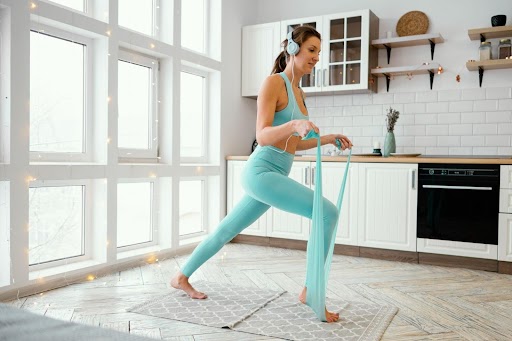
Maintaining a balanced fitness routine that combines strength and flexibility is essential for women seeking overall wellness and vitality. Home-based training offers the convenience of achieving these goals without compromising on effectiveness. Many individuals are now exploring specialized fitness programs for women that cater to unique body mechanics, hormonal variations, and lifestyle demands, ensuring workouts are both safe and results-driven.
Table of Contents
Personalized Strength Training at Home
A well-structured home routine allows women to focus on muscle groups effectively without the distractions or limitations of a gym environment.
- Targeted Muscle Engagement: Home workouts can be designed to target specific muscle groups, such as arms, legs, or the core. By isolating muscles, women can enhance tone and definition while minimizing the risk of strain or injury.
- Convenience and Consistency: Training at home removes commute barriers, making it easier to maintain a consistent routine. Women can fit in short, focused strength sessions even with busy schedules.
- Progressive Overload: Gradually increasing resistance using dumbbells or bands ensures continual strength gains. This method allows for long-term development without overtraining.
- Support for Daily Activities: Strengthened muscles improve balance, endurance, and mobility, making everyday tasks easier, from lifting children to household chores.
- Confidence Boost: Achieving strength milestones fosters a sense of empowerment and encourages commitment to overall health goals.
Flexibility Routines to Enhance Mobility
Incorporating stretching and mobility exercises improves range of motion, reduces injury risk, and enhances performance in strength workouts. Home-based flexibility routines are especially beneficial because they can be tailored to individual needs and schedules.
- Dynamic Stretching Before Workouts: Performing dynamic stretches prepares muscles for activity and reduces the risk of injury. Movements such as leg swings and torso twists activate muscles and improve mobility.
- Static Stretching After Workouts: Holding stretches for 20–30 seconds after exercise supports recovery and prevents muscle tightness. It also enhances overall flexibility over time.
- Yoga and Pilates Integration: Combining yoga or Pilates routines with flexibility exercises promotes core strength, balance, and mindfulness, creating a holistic approach to fitness.
- Targeted Problem Areas: Specific stretches can focus on areas prone to tightness in women, such as the hips, hamstrings, and shoulders, to improve posture and comfort.
- Stress Reduction: Flexibility exercises also help relieve muscle tension, reducing stress and promoting physical and mental relaxation.
Integrating Customized Programs for Women
Implementing specialized fitness programs for women at home allows for tailored routines that target specific goals like toning, core strength, or flexibility.
- Individualized Goals: Programs focus on areas of improvement unique to each woman, such as strength imbalances or posture correction.
- Structured Progression: Customized plans allow gradual intensity increases, preventing plateau and maintaining motivation.
- Balanced Workouts: Each session combines strength, cardio, and flexibility to ensure comprehensive fitness.
- Accountability and Tracking: Structured programs help track progress systematically, offering measurable results over time.
- Safe Practice: Tailored programs consider physical limitations or past injuries, ensuring exercises are effective yet safe.
The Role of Professional Guidance
A professional approach can optimize outcomes, tailor routines to individual needs, and address any specific concerns. Engaging a fitness coach for women in Dubai can provide structured programs, accountability, and personalized advice, making the fitness journey more effective.
- Customized Programming: Trainers design workouts based on fitness level, goals, and lifestyle, ensuring that every session is purposeful and effective.
- Form and Technique: Correct exercise technique prevents injuries and ensures maximum engagement of targeted muscles. Coaches provide feedback to maintain proper form.
- Motivation and Accountability: Regular interaction with a professional helps maintain commitment and encourages consistent progress over time.
- Special Considerations: Trainers can adjust routines to accommodate health conditions, hormonal cycles, or post-pregnancy recovery, making workouts safer and more efficient.
- Tracking Progress: Coaches monitor performance and make data-driven adjustments to ensure continuous improvement and measurable results.
Equipment-Free Workouts for Maximum Convenience
Not every home has gym equipment, but strength and flexibility can still be achieved without heavy machines. Creative use of bodyweight exercises, resistance bands, and household items can produce effective results.
- Bodyweight Exercises: Movements such as push-ups, squats, lunges, and planks provide excellent strength-building opportunities without requiring equipment.
- Resistance Bands: These versatile tools provide adjustable resistance, enhancing muscle engagement during upper- and lower-body workouts.
- Household Items as Weights: Items like water bottles, backpacks, or canned goods can serve as practical alternatives to dumbbells, allowing for progressive overload.
- Stretching Props: Yoga blocks, straps, or even towels can improve flexibility exercises, ensuring deeper stretches and a better range of motion.
- Space Efficiency: Home-based equipment-free workouts require minimal space, allowing women to train effectively in small apartments or living rooms.
Creating a Balanced Weekly Routine
Planning a balanced weekly schedule that alternates between strength and flexibility ensures comprehensive results while reducing burnout or overuse injuries.
- Strength Days: Schedule 2–3 days per week for resistance training, incorporating exercises targeting major muscle groups.
- Flexibility Days: Dedicate 2–3 days to stretching, yoga, or Pilates to complement strength work and improve recovery.
- Rest and Recovery: Include at least one full rest day to allow muscles to repair and prevent fatigue.
- Mixing Modalities: Combining strength, flexibility, and low-impact cardio enhances endurance and overall fitness.
- Adjusting Intensity: Monitor energy levels and adjust workout intensity to maintain sustainability and long-term commitment.
Tracking Progress and Staying Motivated
Home workouts offer the flexibility to integrate tracking methods that suit individual preferences.
- Fitness Journals: Document exercises, sets, repetitions, and stretching routines to track improvement over time.
- Digital Apps: Use fitness tracking apps to monitor progress, set goals, and schedule workouts efficiently.
- Photo and Measurement Logs: Visual and numerical tracking of progress can be motivating and help identify areas needing improvement.
- Goal Setting: Establish short-term and long-term fitness goals to maintain focus and motivation.
- Community Support: Engage with online groups or professional networks for encouragement, tips, and shared experiences.
Conclusion
Home workouts that integrate strength and flexibility are powerful tools for women to enhance fitness in a convenient and personalized way. When combined with professional guidance from a fitness coach for women in Dubai, these routines become safer, more effective, and tailored to individual goals. Platforms like WeTrain make it effortless to access structured, expert-led programs, ensuring women can achieve results from the comfort of their homes. By focusing on consistency, balance, and guidance, women can enjoy long-term wellness, improved mobility, and increased confidence.

