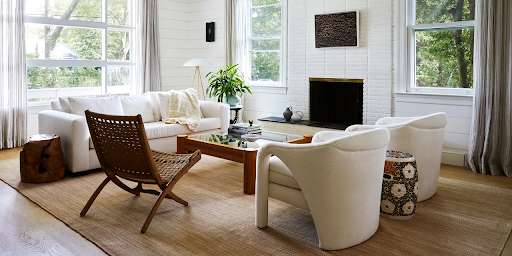
Spatial composition never settles for mere symmetry, nor does it simply thrive on disorder. Through your lens, you will find that doorways can act as frames, furniture gathers meaning by how it relates to negative space, and lines painted by skirting boards point your eye where you least expect. You might use the rule of thirds, but what really matters is recognising where the energy flows and where it damns up, just as water pools in a garden puddle on a rainy Manchester morning.
You’ll want to experiment with vantage points, crouching low for drama or seeking out a balcony to draw out depth. Allow your lens to travel through hallways and around awkward pillars, discovering that each choice rewrites the story the space wants to tell. Include in your frame a sense of volume: a high ceiling, the distance between table and sofa, the quiet drama in a room left slightly off-balance. Layer your compositions: a cup of Earl Grey in the foreground will give scale to grand Georgian mouldings at the back. A pause on angles, slanted furniture risks unsettling the viewer but, in the case that you wish for tension, there’s your tool. Is the room meant to feel calm, busy, colossal, or cloistered Your eye sets the scene: your camera records the evidence.
Table of Contents
Mastering Lighting Techniques for Interiors
Natural light loves to misbehave in the UK, skipping across surfaces, vanishing behind slate clouds, then returning with a golden punch when you least plan for it. You will find that working with living, mutable light is as much about patience as it is about timing. Don’t always chase perfection, let shafts of sunlight brush over velvet for drama or allow soft, overcast mornings to gently veil a space. Layering light sources, window daylight, lamps, a careful bounce with reflectors, lets you sculpt scenes without flattening them.
You can, confidently, balance artificial with natural, using warm practical lights to build intimacy or cooler led spots to carve clarity. Shadows are your co-conspirators: instead of fighting them, use them to cradle detail, foster mystery or highlight the sweep of a staircase. Your histogram will reveal if your highlights and shadows lean too far, but your intuition will guide the rest. Have you ever shot a rich teal velvet on a bright Edinburgh afternoon The colour changes, the mood shifts. Explore bracketing exposures as well, giving yourself the raw material for later finesse in post-processing. You’ll see very quickly, your lighting decisions don’t just reveal, they transform.
Harnessing Colour Theory and Texture
Colour in interior design photography glimmers like a secret code. You temper red with well-behaved taupe so it won’t overwhelm. You dress a cool blue corner with a citrus pop of ochre for intrigue. The choices run deeper than paint swatches, every colour’s relation in the frame must serve your broader visual narrative. Spend time considering the UK’s fondness for peacock hues, classic greens, or the restless jazz of contemporary pattern mixing.
Texture is just as potent: corduroy cushions, battered brass handles, the untouched gloss of porcelain surfaces. You’ll want tactile variation captured so vividly, viewers can sense the weave and coldness of materials through the screen. Try shooting when raking light skips over rough plaster, for instance, or deepen marks in a marble countertop with a subtle increase in contrast. You might mute overpowering tones in post, but don’t erase authenticity for some notion of polish, a weathered timber floor wears pride like a coat. The most striking concepts invite you to experience the space with touch as much as sight.
Styling and Staging for Visual Impact
If you want your interiors to start conversations, you will find that your attention must fall on both the curated and the accidental. A single mug left askew on the countertop hints at a life lived: unruffled throws and books stacked by bedside lamps can turn an anonymous space into somewhere recognisably human. Don’t trawl Instagram for inspiration, look to local art, heritage patterns, or a quirky lamp from an antiques market. The UK gives you no shortage of details to twist into your scene.
When staging, less is usually more, don’t overpopulate with props, rather leave room for curiosity to bloom. Let leading lines direct your viewer’s gaze: fresh tulips in a jam jar pulling you to the window, stacked records inviting a late night story. Consider how colours jump between objects, how repetition of form emboldens the scheme. And always, always check your reflections, unexpected photobombers in mirrors have ruined many a shoot.
Internal dialogue matters: before you snap, ask if the room’s personality is clear, or if you have accidentally diluted it. The most effective styling, you will see, plays on narrative as much as design.
Advanced Post-Processing Strategies
Now comes the silent act of translation, as you sit at your screen, the magic ritual that can make or break your vision. Subtlety wins out in high-level post-processing: you want edits to whisper, not lecture. Prioritise a neutral white balance but remain attuned to the mood you wish to carry: chilly daylight in a north-facing lounge, sumptuous warmth as dusk dusts a Victorian terrace.
Use selective adjustments on highlights and shadows, gently coaxing detail from the darkness without flattening your dynamic range. Dodge and burn with restraint, working as if you’re painting with light. Graduate filters can help balance busy windowscapes against softly lit interiors. Try luminosity masks to protect complex textures, your stone mantle needn’t be left lifeless. And for clarity: resist the lure of excessive sharpening, letting natural grain breathe where it exists. In the case that a space feels too tight or cluttered, perspective correction can rescue your sense of scale, just avoid distorting all character in favour of symmetry.
Common Challenges and Creative Solutions
Every interior shoot is an invitation to chaos. Long-nosed dogs charging through, low ceilings squeezing your view, streaky glass turning reflections into abstract art, you might know the feeling. UK locations in particular have their quirks: sudden downpours, crumbling brick, those oddly cosy spaces that confound straight lines. You can overcome tough spaces by embracing what makes them awkward: crop tighter, go wider, let a peculiar shadow speak.
Clutter threatens order. Instead of clearing the scene obsessively, you should consider what clutter signals about character: sometimes the old teapot on the Aga or a child’s coat on a radiator will do more for the story than sterility ever could. Struggle with lighting flicker on a mixed-light shoot Try a longer exposure, or softly layer consistent LED replacements for balance. Cracked paint, scuffs and all, these are badges of authenticity, not flaws demanding erasure.
If you hit a creative rut, change your position. Photograph the mirror’s version of the room, or peer through doorways for a tale told in chapters. You’ll find that solutions arise when you give up on forcing perfection, and instead let the room’s oddities set the pace.
In Closing Then
You’ve run your eye along a battered banister and watched sunlight crawl across forgotten floor tiles. You now stand, camera in hand, better equipped to pick apart the language of interior spaces, each composed not of things, but of tensions, histories, and gentle intrusions.
If you let yourself listen closely, rooms speak as much through the angles you cut and the light you capture, as through any object placed inside. Armed with these advanced interior design photography concepts, your next shoot will speak in more than pixels: it’ll breathe with genuine, unrepeatable atmosphere. Out there, the stories are waiting.

