Table of Contents
I. Introduction
Your kitchen cabinet layout can make or break how well your kitchen works. A good layout makes cooking easier, saves you time, and reduces frustration. A bad layout means wasted steps, hard-to-reach items, and a kitchen that just doesn’t flow.
Cabinet layout is about more than just fitting cabinets into your space. It’s about putting things where you need them most. When your cabinets are arranged well, everything has its place. You spend less time searching for items and more time enjoying your kitchen.
A functional kitchen cabinet design considers how you actually use your kitchen. It thinks about where you prep food, where you cook, where you clean up, and how you move between these areas. Whether you’re in Orland Park, IL or anywhere else, working with professional kitchen cabinetry services can help you create a layout that truly works for your lifestyle. Let’s explore layout ideas that will make your kitchen work better for you every single day.
II. Understanding the Kitchen Work Triangle
The kitchen work triangle is a classic design concept that still works today. It helps you understand the best way to arrange your cabinets for maximum efficiency.
What the Work Triangle Is
The work triangle connects your three main work areas: the sink, the stove, and the refrigerator. These are the spots you visit most when cooking. The idea is to keep them close enough to be convenient but far enough apart to give you workspace.
How Cabinets Support the Triangle
Your cabinets should support this triangle, not block it. Place cabinets near each point to store related items. Pots and pans go near the stove. Dishes and glasses go near the sink. Food storage goes near the fridge. This arrangement puts everything right where you need it.
Making Movement Easier
Good cabinet placement keeps the pathways between your work triangle clear. You shouldn’t have to walk around cabinet doors or squeeze past obstacles. The best layouts let you move smoothly from sink to stove to fridge and back again. Your cabinets create the framework that makes this flow possible.
III. Base Cabinet Layout Ideas
Base cabinets form the foundation of your kitchen storage. They carry the countertops and hold your heaviest items.
Standard Base Cabinet Sizes
Most base cabinets are 24 inches deep and 34.5 inches tall (36 inches with the countertop). They come in widths from 9 to 48 inches. Mix different widths to fit your space perfectly. Wider cabinets (30-36 inches) work well for main storage. Narrower cabinets (12-18 inches) fill gaps and add extra storage.
Corner Base Cabinet Solutions
Corner base cabinets often waste space if not designed well. Standard corner cabinets have a door on one side, but half the space is hard to reach. Better options include lazy Susans that spin for easy access, or pull-out systems that bring the back contents forward.
Deep Drawer Base Cabinets
Deep drawers are replacing traditional cabinet doors in many kitchens. They let you see everything at once without digging through stacked items. Kitchen base cabinets with drawers are especially popular because they make organization simple and keep heavy pots and pans easy to access. Use deep drawers for mixing bowls and small appliances too. Three-drawer base cabinets give you organized storage for different item sizes.
Sink Base Cabinet Considerations
The sink base cabinet is special because it needs plumbing access. Choose a cabinet without a center support to allow room for pipes. Consider a pull-out tray system around the plumbing to use the space efficiently. A trash pull-out often fits well in the sink base cabinet for easy cleanup.
IV. Upper Cabinet Placement Tips
Upper cabinets provide storage without taking up floor space. Placing them correctly makes your kitchen safer and more functional.
How High to Hang Upper Cabinets
Most upper cabinets mount 18 inches above the countertop. This gives you workspace below while keeping items within reach. In kitchens with tall ceilings, you can add a second row of cabinets up to the ceiling for extra storage. However, you’ll need a step stool for the highest shelves.
Cabinet Spacing Above Countertops
The 18-inch space between counter and upper cabinets is ideal for most tasks. It gives you room to work with small appliances like coffee makers and toasters. If you’re tall, you might prefer 20-22 inches. If you’re shorter, 15-16 inches might work better.
Open Shelving vs. Closed Upper Cabinets
Open shelving creates an airy feel and displays pretty dishes. However, items get dusty and you must keep them organized. Closed cabinets hide clutter and protect dishes from grease and dust. Many kitchens mix both—closed cabinets for everyday items and open shelves for display.
Making Upper Cabinets Easy to Reach
Place your most-used items on the lower shelves of upper cabinets. Save higher shelves for items you rarely need. Pull-down shelving systems bring high cabinet contents within reach. For very tall cabinets, consider glass doors on top sections so you can see what’s stored there.
V. Pantry Cabinet Options
A good pantry cabinet keeps your food organized and easy to find. There are several layout options depending on your space.
Walk-In Pantry Layouts
If you have the space, a walk-in pantry offers the most storage. Line the walls with shelves 12-16 inches deep. Keep frequently used items at eye level. Use the top shelves for rarely needed items and the bottom for heavy things like pet food or bulk items.
Tall Pantry Cabinet Designs
Tall pantry cabinets (84-96 inches high) fit into your kitchen layout. They typically include pull-out shelves or drawers for easy access. Some have swing-out door racks for extra storage. Place your pantry cabinet near the refrigerator for a convenient food storage zone.
Pull-Out Pantry Shelves
Pull-out pantry shelves bring everything to you. No more digging through deep shelves. These work well in narrow spaces (6-12 inches wide) between other cabinets. Each shelf pulls out independently, giving you clear view and easy access to all your food.
Where to Place Pantry Cabinets
Put your pantry near the refrigerator and your main food prep area. This creates a food storage zone where you can grab ingredients quickly. If you have a large kitchen, consider two pantry areas—one for dry goods and one for baking supplies.
VI. Smart Corner Cabinet Solutions
Corner cabinets can be the most frustrating spaces in your kitchen or the most clever. Good corner solutions make every inch count.
Lazy Susan Corner Cabinets
Lazy Susan cabinets use round rotating shelves. Spin the shelf to bring items to the front. They work well in both base and upper corner cabinets. Full-circle lazy Susans give you the most storage. Kidney-shaped lazy Susans work in tighter corner angles.
Diagonal Corner Cabinets
Diagonal corner cabinets have a door at a 45-degree angle to both walls. This design wastes less space than standard corner cabinets. You can reach the back more easily. They work especially well as corner sink bases.
Magic Corner Pull-Out Systems
Magic corner systems are amazing space-savers. Pull the door, and shelves swing out and forward. Everything becomes visible and accessible. These systems cost more than lazy Susans but use corner space more efficiently.
L-Shaped Corner Drawer Units
Some modern kitchens use L-shaped drawers in corners. These drawers follow the cabinet shape, giving you one large drawer that wraps the corner. They eliminate dead space completely and provide huge storage capacity for large items.
VII. Island and Peninsula Cabinet Layouts
Islands and peninsulas add workspace and storage to your kitchen. Their cabinet layout needs special planning.
Kitchen Island Cabinet Ideas
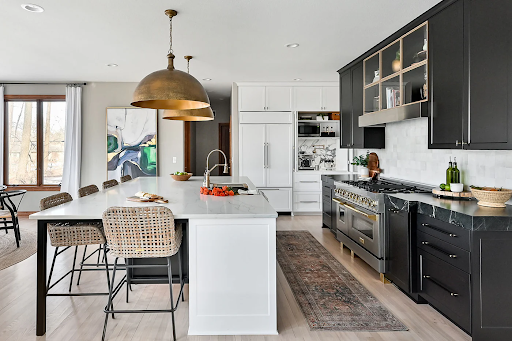
Islands can have cabinets on one side or both. Single-sided islands have cabinets facing the kitchen work area and open space or seating on the other side. Double-sided islands have storage on both sides, maximizing space.
Use island cabinets for items you use while cooking. Store mixing bowls, baking sheets, and cooking utensils here. Kitchen base cabinets with drawers work exceptionally well in islands because you can access them from multiple angles, making it easy to grab what you need while moving around your kitchen.
Storage on Both Sides of Islands
When your island has cabinets on both sides, make sure the cabinets don’t interfere with each other. Use separate cabinets for each side rather than one cabinet going all the way through. This prevents doors and drawers from hitting each other.
Face one side toward the cooking area for cooking items. Face the other side toward the dining area for serving dishes, napkins, and entertaining supplies.
Peninsula Cabinet Arrangements
Peninsulas are islands attached to a wall or other cabinets. They create an L or U shape in your kitchen. Use peninsula cabinets just like island cabinets. The attached end can house appliances like microwaves or wine coolers.
Seating Areas with Cabinet Storage
If your island or peninsula includes seating, plan the cabinet layout carefully. You need knee space (15 inches deep, 18-24 inches wide per person) where people sit. Put cabinets on the opposite side or on the ends. Some designs use shallow cabinets (12 inches deep) behind the seating area.
VIII. Specialized Storage Cabinet Ideas
Specialized cabinets solve specific storage problems. They keep your kitchen organized and make cooking easier.
Spice Rack Cabinets
Pull-out spice racks keep spices organized and visible. They fit in narrow spaces (3-6 inches wide) between other cabinets. Some mount on the inside of cabinet doors. Others are pull-out drawers with stepped shelves so you can see every bottle.
Place spice storage near your stove for easy access while cooking. Drawer-style spice organizers work better than cabinet shelves because you can see all your spices at once.
Appliance Garages
Appliance garages hide small appliances like toasters, coffee makers, and blenders. They sit on your counter with a roll-up door or cabinet door that closes. This keeps your counters looking clean while keeping appliances handy.
Place appliance garages in corners or at the end of counter runs. Make sure they have electrical outlets inside. Size them to fit your specific appliances with a few inches of clearance.
Trash and Recycling Cabinet Pull-Outs
Pull-out trash cabinets hide unsightly garbage cans. They typically mount in a base cabinet near the sink. Single pull-outs work for trash only. Double or triple pull-outs separate trash, recycling, and compost.
Most pull-out trash systems attach to the cabinet door. When you open the door, the trash can slides out automatically. This makes throwing things away quick and easy.
Cutting Board and Tray Storage
Vertical dividers create slots for cutting boards, baking sheets, and serving trays. These typically fit in base cabinets 9-12 inches wide. Storing items vertically makes them easy to grab without unstacking everything.
Place these near your food prep area. Some designs include a pull-out cutting board that extends over an open drawer, giving you extra workspace.
IX. Small Kitchen Cabinet Layouts
Small kitchens need smart cabinet layouts that maximize every inch. The right design makes a small kitchen feel bigger and work better.
Maximizing Limited Cabinet Space
In small kitchens, every cabinet must work hard. Use pull-out shelves and drawers instead of deep cabinets with doors. You’ll reach items in the back easily. Install organizers inside cabinets—door racks, shelf risers, and dividers—to use all the available space.
Choose cabinets with built-in organization like utensil dividers, spice racks, and plate holders. This eliminates the need for separate organizers that take up space.
Vertical Storage Solutions
Go up, not out. Install cabinets all the way to the ceiling. Use the top cabinets for items you rarely need. Tall, narrow cabinets (12-18 inches wide) fit in tight spaces and hold a surprising amount.
Consider a floor-to-ceiling pantry cabinet instead of multiple smaller cabinets. One tall cabinet provides more storage than several short ones and looks cleaner in a small space.
Slim Cabinet Options
Slim cabinets (6-12 inches wide) fill awkward gaps and add valuable storage. Use them for pull-out spice racks, vertical tray storage, or cleaning supply storage. They fit beside refrigerators, at the end of counter runs, or between windows and corners.
Multi-Purpose Cabinet Designs
Small kitchens benefit from cabinets that serve multiple purposes. A base cabinet with a pull-out cutting board gives you storage and extra workspace. A tall cabinet with a fold-down desk creates a homework station. An island with storage on both sides provides workspace, storage, and seating.
X. Large Kitchen Cabinet Layouts
Large kitchens have the opposite challenge—avoiding wasted space while keeping everything accessible and organized.
Avoiding Wasted Space in Big Kitchens
Just because you have room doesn’t mean you need cabinets everywhere. Too many cabinets make a kitchen feel cluttered and heavy. Leave some open wall space. Use a mix of cabinets and open shelving for visual balance.
Place cabinets where they’re actually useful. Don’t install cabinets you’ll never fill just because you have space. Empty cabinets collect junk.
Creating Work Zones with Cabinets
Large kitchens work best with multiple zones. Create a baking zone with cabinets for flour, sugar, mixing bowls, and baking pans. Make a beverage zone with cabinets for coffee, tea, mugs, and glasses near the sink or refrigerator.
Set up a cooking zone near the stove with pots, pans, spices, and cooking utensils. Establish a cleaning zone at the sink with dish soap, sponges, and dish towels. Each zone has its own cabinets, making everything easy to find. Professional kitchen cabinetry services can help you design these zones effectively for maximum efficiency.
Multiple Prep Area Layouts
Large kitchens can have two or more prep areas. This is great when multiple people cook together. Each prep area needs its own set of cabinets with knives, cutting boards, and basic supplies.
Consider a main prep area for everyday cooking and a secondary area for special projects like baking or canning. This keeps your main kitchen clean when working on messy projects.
Balancing Storage and Open Space
Large kitchens look best with a mix of storage and breathing room. Don’t line every wall with cabinets. Use glass-front cabinets to break up solid walls of wood. Include open shelving, display areas, or even artwork between cabinet sections.
Islands in large kitchens don’t need to be entirely cabinets. Consider islands with storage on one end and open shelving or seating on the other. This creates visual variety and multiple functions.
XI. Accessibility and Ergonomic Layouts
Accessible cabinet layouts make kitchens easier to use for everyone, regardless of age or ability.
Easy-Reach Cabinet Heights
The most accessible cabinets sit between knee and shoulder height. This is roughly 15 to 60 inches above the floor. Place your most-used items in this zone. Less frequently used items can go higher or lower.
Wall cabinets shouldn’t require a step stool for everyday items. Install them at heights where you can reach the bottom shelf comfortably. If you must go higher, use only the lower shelves for regular items.
Pull-Out Shelves for Better Access
Pull-out shelves eliminate bending and reaching. They’re especially helpful in base cabinets where you’d normally crouch down to reach the back. Full-extension drawer slides let shelves pull all the way out.
Install pull-out shelves in your most-used cabinets first—near the sink, stove, and main prep area. Even people without mobility issues find pull-outs easier to use.
Lower Cabinets for Wheelchair Users
Wheelchair-accessible kitchens need lower counters (28-34 inches high instead of 36 inches). Base cabinets should have toe kicks 8-10 inches deep to allow wheelchairs to pull close.
Remove base cabinets under prep sinks to create knee space. Use pull-out shelves in remaining base cabinets so items are reachable without leaning. Wall cabinets should be lower—starting at 15 inches above the counter instead of 18 inches.
Aging-in-Place Cabinet Considerations
Kitchens designed for aging in place avoid both very high and very low storage. Minimize bending and reaching. Use drawer-style base cabinets instead of traditional doors. Install pull-down shelving in upper cabinets.
Choose hardware that’s easy to grip large handles instead of small knobs. Consider touch-latch doors that open with a push (no handles needed). Ensure cabinet doors have wide openings and won’t block accessibility when open.
XII. Traffic Flow and Cabinet Placement
How your cabinets are positioned affects how people move through your kitchen. Good placement keeps traffic flowing smoothly.
Keeping Walkways Clear
Main walkways need to be at least 36 inches wide. In kitchens where multiple people cook, make walkways 42-48 inches wide. Don’t place cabinets where they narrow important pathways.
Consider where people walk when they enter the kitchen. Keep this path free from cabinet doors that might be open. Avoid placing cabinets where they create tight corners or bottlenecks.
Cabinet Doors That Won’t Block Paths
Think about door swing when planning cabinet placement. A door that swings into a walkway creates a hazard. Doors that block the refrigerator or another cabinet when open cause frustration.
In tight spaces, consider pocket doors that slide into the cabinet rather than swinging out. Or use drawers instead of doors,drawers don’t swing out as far and are easier to navigate around.
Work Zone Spacing
Each work zone needs enough space to use comfortably. Allow 36-42 inches between your island and perimeter cabinets. This lets cabinet doors and drawers open fully without hitting each other.
If two people use the kitchen together, make sure work zones don’t overlap. You should be able to cook at the stove while someone else preps at the island without bumping into each other.
Multiple Cook-Friendly Layouts
Kitchens for multiple cooks need smart cabinet placement. Avoid layouts where one person blocks another’s access to important cabinets. Create separate zones with their own storage so cooks don’t compete for the same cabinets.
U-shaped and L-shaped layouts work well for multiple cooks. Each person can have their own side. Place duplicate items (knives, cutting boards, measuring cups) in multiple zones so everyone has what they need.
XIII. Conclusion
Cabinet layout is one of the most important decisions you’ll make in your kitchen. The right layout makes cooking easier, saves time, and reduces frustration. The wrong layout creates daily annoyances that last for years.
Start by thinking about how you actually use your kitchen. Where do you prep food? Where do you cook? What items do you use most often? Design your cabinet layout around your real habits, not just what looks good in pictures.
Use the work triangle principle to position cabinets near your sink, stove, and refrigerator. Take advantage of smart storage solutions like pull-out shelves, lazy Susans, and vertical dividers. Make sure your layout allows smooth traffic flow and easy access to everything.
Whether you have a small kitchen that needs maximum efficiency or a large kitchen that needs organization into work zones, good cabinet layout makes all the difference. For homeowners in Orland Park, IL, working with experienced kitchen cabinetry services in Orland Park, IL can ensure your layout is both functional and beautiful. These professionals understand local home styles and can create custom solutions that fit your specific needs.
Consider investing in quality features like kitchen base cabinets with drawers Orland Park residents prefer for their practicality and ease of use. These modern storage solutions make daily tasks simpler and keep your kitchen organized for years to come.
Plan carefully, measure twice, and don’t be afraid to ask for help from kitchen design professionals. The best cabinet layout is the one that works for you and your family every single day. Take the time to get it right, and you’ll enjoy a functional, efficient kitchen for years to come.

