
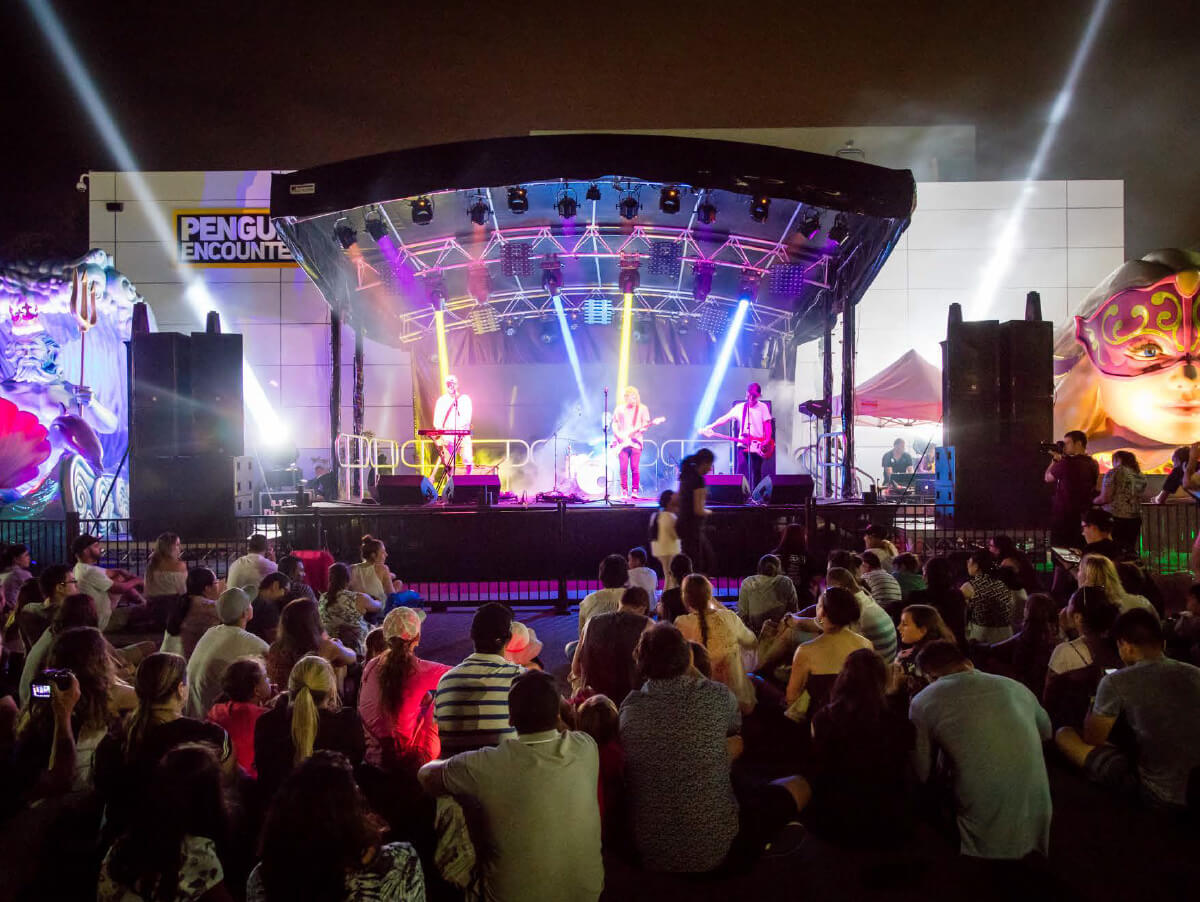
Bringing thousands of people together for a shared experience is no small feat. Whether it’s a music festival, a corporate conference, or a charity gala, large-scale live events require precision, creativity, and an unshakeable plan. Every detail, from crowd management to technical logistics, needs to come together seamlessly to create something memorable and impactful.
You’re essentially orchestrating an experience that will stick with attendees long after they leave. But with high stakes comes high pressure—success hinges on careful preparation and the ability to adapt when things don’t go to plan. So, how do you ensure your event is a triumph rather than a logistical nightmare? It starts with understanding the key components that make large-scale events run like clockwork.
Table of Contents
The Scope Of Large-Scale Live Events
Large-scale live events bring together vast audiences, spanning diverse locations, industries, and objectives. These events might range from corporate summits hosting thousands to open-air music festivals accommodating tens of thousands. Each occasion holds unique logistical needs, organisational challenges, and creative demands.
Assessing event size begins with numbers—attendees expected, vendors involved, stakeholders engaged. A concert bringing 50,000 attendees differs from a 1,000-person product launch. You must calculate venue capacity, infrastructure requirements, crowd management protocols, and contingency strategies. No two events are alike; each dictates distinct measures.
Event purpose drives decisions. Corporate events might prioritise branded themes, workshop integration, and keynote speakers. Public entertainment events lean towards grand-scale staging, immersive atmospheres, and high-tech solutions. You’d tailor every choice—layout, acoustics, security—to match this intent.
You can’t overlook geographic scope either. Localised events might focus on community dynamics, whereas major international gatherings like trade expos demand compliance with regional regulations, multi-language communication, and cross-border operational coordination. The broader the scope, the more complex your preparations.
Timing also shapes the scope. Some require months of preparation due to permits, contractor lead times, and extensive promotional campaigns, while others work under tighter deadlines, leveraging agility and pre-built frameworks. Set clear timelines, embed flexibility, and establish progress benchmarks early.
Financial scope plays an equally substantial role. Budgetary constraints influence your choices across every element—AV equipment, catering scale, performer tier. Transparent allocation channels and careful KPI alignment keep costs effective while delivering intended results. Mismanagement here risks jeopardising key event elements.
Environmental factors add another dimension. Outdoor events depend on weather forecasting, temporary structures, and environmental compliance. Indoor events demand optimised lighting, ventilation planning, and spatial flow. Both demand attention to safety protocols, evacuation plans, and accessibility.
By defining logistical boundaries, stakeholder priorities, and operational nuances, you shape the foundation for an impactful large-scale live event. Reflect on how each decision today aligns with attendee expectations, industry standards, and your overall event vision.
Key Stages In Planning Large-Scale Live Events
Initial Research And Goal Setting
With things like festival stage hire, you need to start by understanding the fundamentals. Assess audience demographics, expected size, and event objectives. Align goals with the event’s type, whether it’s a corporate summit or a public festival. Research past events in the same niche or location to gauge what worked and what didn’t. Identify key stakeholders, sponsors, or partners who might influence your planning. Focus on setting measurable outcomes—think attendance numbers, engagement metrics, or post-event feedback. This clarity lays the groundwork for resource allocation and risk management.
Venue Selection And Logistics
Your venue defines attendee experience. Secure a location that matches the event size, indoor or outdoor needs, and accessibility requirements. Study capacity limits, transport links, and onsite facilities to avoid surprises. Factor in technical needs like audio-visual setups or power sources. Consider permits, local regulations, and vendor coordination if the event involves third-party services. Balance these logistics against event flow—ensure smooth navigation for attendees from entry to exit. A solid logistics plan prevents delays or bottlenecks.
Budget Planning And Management
Allocate funds based on priorities. Break the budget into key categories like venue hire, equipment rentals, staffing, and marketing. Monitor costs against initial research, keeping a buffer for contingency expenses. Use itemised documents or project management tools to track spending across stages. Update stakeholders regularly with detailed financial updates. If sponsorships or ticket sales fund the event, plan collection methods and timelines efficiently. You control success by ensuring financial accuracy at every step.
Marketing And Promotion Strategies
Develop a campaign that resonates with your audience. Choose platforms—social media, email, or traditional media—that align with attendee preferences. Design promotional content with clear calls to action, offering early bird discounts or exclusive perks. Collaborate with influencers or industry leaders for wider reach. Highlight unique selling points like performances, keynote speakers, or experiences. Ensure consistency in branding across channels, from online ads to physical posters. Track engagement metrics and refine tactics for maximum impact.
Ensuring Safety And Compliance
Safety and compliance play a critical role in planning large-scale live events. Both aspects ensure attendee well-being and align the event with regulatory requirements.
Legal Regulations And Permits
Securing the necessary permits and adhering to legal regulations are non-negotiable. Event-specific requirements, such as alcohol licensing, noise restrictions, or temporary structure approvals, depend on local laws. For multi-national events, you’ll need to figure out varying legal frameworks and cultural expectations.
Failing to meet these requirements risks fines or event cancellations, so coordination with local agencies becomes essential. Review health and safety laws, fire codes, and crowd control policies. Early engagement with legal professionals or consultants can streamline approval processes.
Crowd Management And Security Measures
Controlling crowds should prioritise safety without compromising attendee experience. Measures like stationed security personnel, clear signage, and designated emergency exits mitigate risks. For events exceeding thousands, crowd dynamics analysis ensures orderly movements.
Using technology such as surveillance or real-time crowd tracking aids in managing large groups. Collaborate with professional security services and train your staff on handling situations swiftly. Sections for families or VIPs offer improved structure, reducing potential bottlenecks.
Leveraging Technology For Streamlined Organisation
Technology serves as the backbone in managing the intricate details of large-scale events. Introducing innovative tools can enhance productivity and ensure that operations run seamlessly from start to finish.
Event Planning Software Solutions
Event planning software can revolutionise your organisational process. Platforms like Cvent, Eventbrite, or Bizzabo centralise tasks such as scheduling, guest registration, and vendor coordination. These systems enable you to manage resources, track deadlines, and integrate communication in one place. Automation features like reminders and task allocation reduce manual follow-ups and missed deadlines. Moreover, data analytics tools within these platforms let you measure attendee engagement patterns, informing your future decisions. Selecting the right software might depend on the size and complexity of your event.
The Role Of Social Media And Live Streaming
Social media platforms can be indispensable for promoting your event and interacting with your audience. Scheduling posts, leveraging hashtags, and responding to questions might help establish rapport and boost attendance. Real-time updates on platforms like X or Instagram Stories ensure your attendees have the latest information, eliminating confusion. Incorporating live streaming allows those unable to attend to stay connected. Services such as YouTube Live, Facebook Live, or Zoom help you expand your event’s outreach while fostering inclusivity. Post-event, social media engagement, including feedback collection and content sharing, drives ongoing interest.
Post-Event Evaluation And Feedback
Evaluating the impact of your event ensures you understand its strengths and areas needing adjustment. Feedback, both quantitative and qualitative, provides the insights required to refine future endeavours.
Assessing Success Metrics
Begin by examining measurable indicators that align with your initial objectives. Metrics such as ticket sales, attendance rates, and ROI showcase tangible outcomes. Digital engagement data, including social media reach and post-event mentions, highlights audience interest. If surveys were conducted, review attendee satisfaction scores and comments to gauge overall reception. Internal goals, like vendor performance and logistical efficiency, should also be analysed. Compare these findings against pre-set KPIs to identify deviations.
Learning From Challenges And Improvements
Identifying pain points offers valuable lessons for your future events. Delve into areas where unforeseen issues emerged. For instance, did delays at registration disrupt schedules, or were sound disruptions reported during performances? Analyse external and internal feedback to uncover patterns in critical comments. Contrast successful elements with weak spots to understand why certain aspects failed to meet expectations. Share these findings with your team to strategise solutions, fostering growth through collaboration.
In Closing
Planning large-scale live events demands a balance of creativity, precision, and adaptability. By focusing on clear goals, thorough preparation, and effective use of technology, you can create experiences that leave a lasting impression. Prioritising safety, compliance, and audience engagement ensures your event meets both expectations and industry standards.
Every event presents unique challenges, but with the right strategies and a commitment to continuous improvement, you can turn these challenges into opportunities for growth. By learning from each experience, you’ll refine your approach and elevate the quality of your future events.