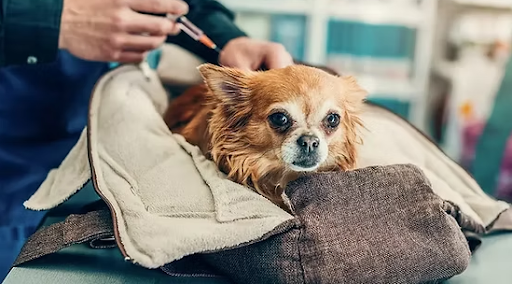
Saying goodbye to a beloved pet is one of the hardest decisions an owner can face. Many owners choose to put dog down when their companion suffers from serious illness, injury, or age-related decline. Understanding what happens at the vet clinic can help ease anxiety and ensure a compassionate process for both the pet and its owner.
Table of Contents
Why Owners Decide to Put Their Dog Down
Deciding to put dog down is often based on the dog’s quality of life. Owners may struggle with the emotional weight of this choice, but sometimes it is the kindest option. Common reasons include:
- Chronic illness or injury that causes ongoing pain
- Severe mobility problems making everyday activities difficult
- Age-related decline affecting appetite, energy, or comfort
- Emotional readiness of the owner to say goodbye
Recognising these reasons can help owners feel confident that they are acting in their pet’s best interest.
The Vet Consultation Process
Before the procedure, the vet holds a detailed consultation. They assess the dog’s condition and explain the process, including sedation, euthanasia, and aftercare. Owners are encouraged to ask questions about comfort, timing, and whether they wish to be present. Clear guidance reduces stress and prepares both the dog and owner for a calm experience.
The Procedure at the Clinic
The actual procedure is gentle and designed to minimise stress. First, the vet ensures the dog is calm and comfortable. Then:
- Sedation is administered to relax the dog
- Euthanasia injection is given for a peaceful passing
- Vet confirms that the dog has passed without discomfort
- Owners may stay with the dog or step out if preferred
This step-by-step approach ensures the procedure is dignified, safe, and stress-free.
Emotional Support During and After
Vets and staff provide emotional support throughout. Owners can be present to say goodbye or step out if needed. After the procedure, staff offer advice on coping with grief, counselling options, and ways to manage the loss of a pet.
After the Procedure
Once the dog has passed, the clinic guides the family on aftercare.Before making decisions, owners usually receive explanations of:
- Cremation, either communal or individual
- Burial, at home or in a pet cemetery
- Returning ashes for keepsakes
Staff also provide information on local laws and veterinary guidelines to handle remains respectfully.
Remembering Your Pet: Pet Bucket List
Creating a pet bucket list before a dog’s final days can bring comfort to both owner and pet. Completing meaningful activities helps owners feel they celebrated their pet’s life fully. Ideas include:
- Favourite walks or visits to parks
- Special treats or meals
- Visiting friends or family
- Taking photos or videos
- Creating memory boxes or keepsakes
A pet bucket list ensures owners spend precious moments making memories that last long after their dog has passed.
Conclusion
Saying goodbye to a dog is deeply emotional, but knowing the procedure helps reduce fear. Vets focus on comfort, dignity, and peace throughout. Taking time for a pet bucket list can provide closure, cherish memories, and honour the bond you shared. Understanding each step makes this final act an expression of love and compassion.

