)
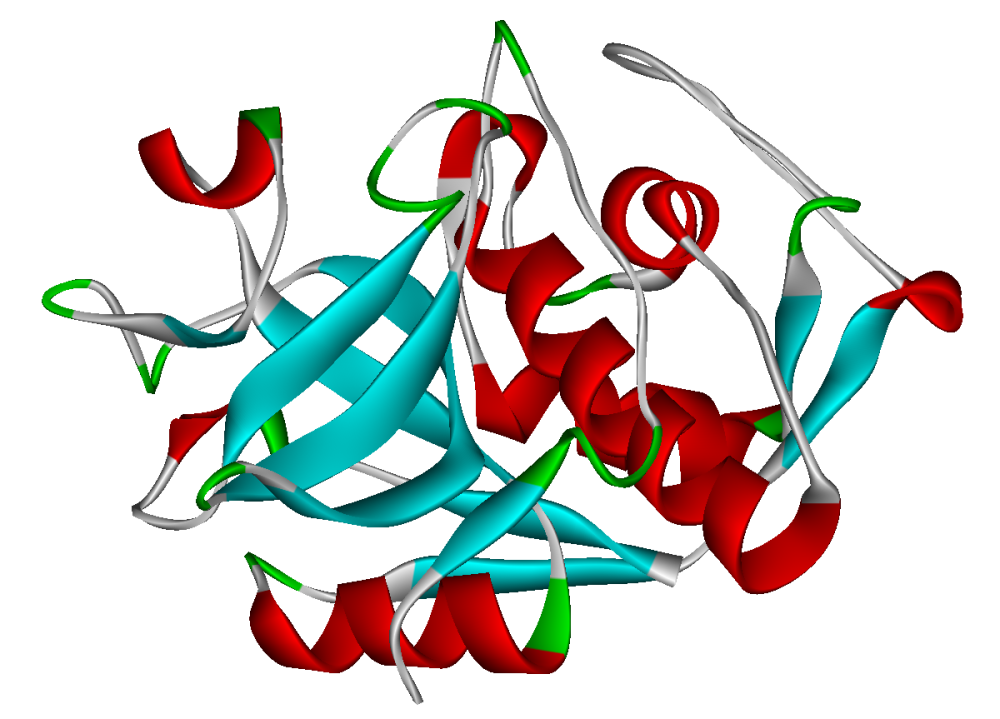
Your body has many proteins and enzymes that work together to keep you healthy. One of these is Cathepsin B Protein (CTSB), an enzyme that helps break down and remove damaged proteins inside your cells. It usually does a good job, but when its level gets too high, it can start causing problems.
These are important questions that arise in an individual’s mind, especially because high levels of Cathepsin B often go unnoticed initially. But over time, they can lead to serious issues, which we’ll discuss in this guide.
Let’s find out!
Table of Contents
What Does Cathepsin B Normally Do in the Body?
Cathepsin B is a type of enzyme found mostly inside lysosomes, tiny parts of cells that break down waste. It works like your body’s natural clean-up crew. Here are some of its normal functions:
- Breaks down unwanted or damaged proteins
- Helps cells repair and renew themselves
- Supports your immune system and fights infections.
When Cathepsin B protein (CTSB) levels are balanced, it helps maintain healthy tissue and protects your body. But it can go from being a helper to a harmful force when it becomes overactive.
How Can High Cathepsin B Levels Affect Your Health?
Too much of these enzymes can disrupt your body’s balance and trigger a chain of negative effects. Here’s what can happen when levels go too high:
Neurological Effects
- Alzheimer’s NEURO: It destroys not only the brain cells, but also reduces memory and causes the growth of toxic plaque in the brain.
- Parkinson’s disease: Ideally, in this disease, the nerve cells are pressure-mounted, thereby accelerating the onset of the disease.
- Recovery Complications of stroke: The brain tissue contains an excess quantity of Cathepsin B, which leads to a delay in healing during the period of a stroke.
Cardiovascular Effects
- Atherosclerosis: It breaks down proteins in the walls of blood vessels, making them weaker and more prone to plaque buildup.
- Heart Failure: Damaged heart tissue may not repair well if this enzyme is overactive.
- High Blood Pressure: Inflammation caused by high enzyme levels can affect blood flow and increase pressure.
Other Conditions Linked to High CTSB
| Condition | How It’s Affected |
| Cancer | Helps tumors grow and spread by breaking the surrounding tissue |
| Arthritis | Breaks down joint cartilage and increases inflammation |
| Liver & Kidney Disease | Contributes to tissue damage and organ stress |
| Autoimmune Disorders | May trigger stronger, damaging immune responses |
| Note – These effects often build up slowly, which is why early prevention is key. |
Why Do Cathepsin B Levels Increase?
These enzymes don’t just spike on their own; your environment or habits often trigger them. Common causes include:
✅ Processed Foods
✅ Chronic Stress
✅ Lack of Sleep
✅ Aging
✅ Exposure to Chemicals
What Signs Suggest Your Levels Might be High?
Since it doesn’t cause immediate symptoms, how do you know something’s wrong? Look out for these:
- Ongoing fatigue even after rest
- Trouble focusing or memory lapses
- Stiff joints or unexplained aches
- Frequent illnesses or slow recovery
- Unusual weight changes
| Tip – If you notice two or more of these signs regularly, it might be worth asking your doctor about enzyme-related testing. |
When Should You Consider Getting Tested?
Testing for Cathepsin B Protein isn’t part of regular checkups, but it may be considered if you:
- Have chronic conditions like cancer, arthritis, or Alzheimer’s
- Show signs of long-term fatigue, inflammation, or memory loss
- Have a strong family history of neurodegenerative diseases
- Are undergoing treatment that may affect enzyme activity
Special labs and doctors can help monitor these levels more closely.
Final Words
You might not have heard of Cathepsin B Protein (CTSB), but its effects on your health are very genuine. Once under control, it helps to keep your body clean as well as efficient. However, due to elevated levels it may result in tissue penetrating and retarding recovery, which accelerates disease.
The positive aspect?
You may put yourself in control. This enzyme can be balanced and long-term risk is lessened by eating better, moving more, sleeping well, and managing the stress by eating better, moving more, sleeping well, and managing stress. Just a few lifestyle adjustments now will safeguard your power, your mind, and your well-being in future years.