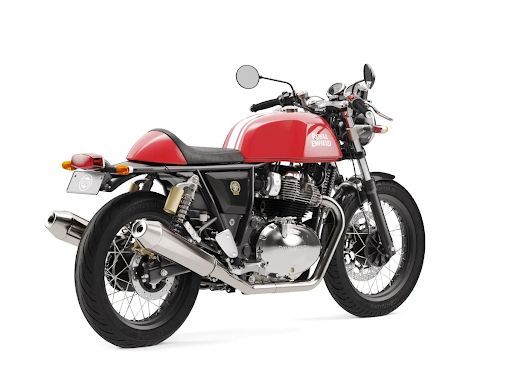
When choosing a mid-sized motorcycle, potential buyers always ask two key questions: What is the real-world mileage? And how much will it cost to maintain? This is especially true in the case of premium retro-styled bikes like the GT 650 and its close relative, the Interceptor 650. These motorcycles are popular not just for their looks, but also for their all-round usability — blending daily commuting practicality with weekend touring ability.
In this article, we discuss what riders typically experience in terms of real mileage with the GT 650, how it compares to the Interceptor 650, and whether owning one is generally expensive to maintain over time.
Table of Contents
Understanding Real Mileage in Motorcycles
Before diving into specific numbers, it’s vital to clarify what real mileage means. Motorcycle manufacturers often quote mileage figures under ideal test conditions — flat roads, steady speeds, light loads, and perfect weather. However, in real life, mileage can vary widely based on:
- Riding style (aggressive vs relaxed)
- Traffic and city vs highway use
- Load (rider weight and luggage)
- Tyre pressure and maintenance habits
- Weather and terrain conditions
For bikes like the GT 650 and Interceptor 650, real-world mileage tends to be different from claimed figures — and, in fact, most riders report more practical, average outcomes.
Real Mileage of the GT 650
The GT 650 is known for its torquey engine, smooth performance and relaxed cruising capability. When it comes to fuel efficiency, what matters most to owners is everyday riding conditions rather than lab numbers.
Typical Real-World Mileage
In daily use, most riders can expect the GT 650 to deliver mileage that feels balanced for its class:
- City riding: Mileage tends to be slightly lower due to frequent starts and stops, urban traffic and lower gear use.
- Highway cruising: Mileage usually improves on open roads with smoother throttle application and steady speeds.
- Combined everyday usage: The average mileage riders experience falls in a range typical for bikes of this engine capacity — neither extremely frugal nor overly thirsty.
Unlike smaller commuter motorcycles designed for maximum efficiency, the GT 650 prioritises usable performance and smooth power delivery. Riders generally accept a bit less mileage in exchange for a stronger torque curve, robust engine character and more enjoyable ride feel.
In comparison, the interceptor 650 — which shares most of its engine and drivetrain with the GT 650 — delivers very similar real-world mileage. Most of the difference between the two comes from riding ergonomics and tuning preferences rather than fundamental efficiency.
Factors That Influence Real Mileage
While the GT 650 has a characteristic mileage range, dozens of variables can influence where a rider’s actual figure ends up:
Riding Style
- Aggressive acceleration and frequent gear changes reduce mileage.
- Gentle throttle control and cruising at relaxed speeds tend to help it improve.
Traffic Conditions
Urban stop-and-go traffic affects all mid-sized motorcycles adversely in terms of mileage. Conversely, steady highway cruising gives a chance for the engine to settle into efficient operation.
Terrain and Weather
Hilly roads, windy conditions or heavy rain can affect mileage negatively as the bike works harder to maintain pace.
Load and Luggage
A heavier rider, pillion passenger or luggage increases load on the engine — which, in turn, may reduce fuel economy.
Tyres and Maintenance
Proper tyre pressure, well-lubricated chain and correctly tuned brakes can help maintain ideal mileage. Neglected maintenance may cause mileage to worsen gradually over time.
How the Interceptor 650 Compares
The interceptor 650 shares the same engine platform as the GT 650, so their fuel economy profiles are quite alike. In most real-world scenarios, both bikes return mileage in similar ranges, with only slight differences due to riding posture and wind resistance.
While the GT 650 focuses a bit more on touring comfort and upright ergonomics, the interceptor 650 leans towards classic roadster dynamics. But neither exhibits drastically different mileage figures when ridden under comparable conditions.
Is the GT 650 Costly to Maintain?
When it comes to ownership cost, two-wheeler buyers think about fuel expenses and maintenance costs. Let’s explore what owning a GT 650 typically means in the long run.
Routine Service Costs
Maintaining the GT 650 usually follows standard service cycles:
- Regular oil and filter changes
- Valve checks and occasional adjustments
- Brake and tyre checks
- Chain lubrication and tensioning
These services are generally similar in cost to what you’d expect for other mid-sized motorcycles in this segment. They aren’t exceptionally cheap like low-displacement commuter bikes, but neither are they prohibitively expensive. In fact, due to the bike’s simple and robust engine design, many routine maintenance tasks are straightforward and don’t require overly specialised work.
Parts Availability
One of the reasons maintenance can stay reasonable is that parts for the GT 650 are more commonly available through authorised service networks and aftermarket supply chains. This helps in keeping repair and replacement part costs in check over time.
Reliability and Build Quality
The engine platform used by both GT 650 and interceptor 650 has earned a reputation for sturdy reliability. A well-maintained bike in this class rarely suffers major mechanical issues in regular usage — which means that unexpected bills are infrequent if maintenance is kept up-to-date.
Insurance and Ownership Fees
While insurance for larger bikes does cost more than entry-level commuters, it’s in line with the market segment. Similarly, standard annual servicing and paperwork expenses fall within typical expectations for mid-sized motorcycles.
Everyday Ownership Experience
Owning a GT 650 tends to feel similar to owning other motorcycles of its capacity and character:
- Fuel Costs: Because the bike’s real-world mileage sits in a balanced range rather than ultra-efficient figures, owners often budget a moderate fuel bill compared with smaller commuters.
- Servicing: Regular servicing keeps performance smooth and provides peace of mind.
- Long-term Durability: With sensible care — regular oil changes, chain maintenance, and tire checks — the bike continues to run reliably over years, helping keep long-term costs predictable.
Compared to simple commuter bikes built purely for maximum mileage, the focus with the GT 650 — and its sibling the interceptor 650 — is more about performance, ease of riding, and balanced efficiency. Therefore, maintenance costs and mileage outcomes are also aligned with that philosophy: not extreme, but sensible for the category.
Owner Perspectives: What Riders Often Notice
Real owners of the GT 650 commonly share these impressions:
- Mileage figures feel stable over time when the bike is well-maintained.
- Engine refinement leads to a relaxed ride even in traffic.
- Highway cruising feels smooth and confident.
- Maintenance costs feel manageable when compared to premium bikes with complex electronics.
Overall, the experience tends to feel more premium than basics, yet not dauntingly expensive in terms of upkeep.
Final Thoughts
So, what’s the real mileage of the GT 650, and is it costly to maintain?
Real mileage: The GT 650 delivers balanced everyday fuel efficiency that most riders find practical — not ultra-frugal like small commuters, but competitive in its segment.
Maintenance costs: Ownership expenses align with what you’d expect for a mid-sized motorcycle; routine servicing and part replacements are straightforward and generally affordable for the category.
When compared with the interceptor 650, the mileage and upkeep are very similar — because both share the same proven engine and mechanical underpinnings.
Overall, if you prioritise a strong balance of performance, usability and predictable maintenance, the GT 650 makes sense as a lifestyle-oriented mid-sized motorcycle rather than a mileage-only commuter choice.

