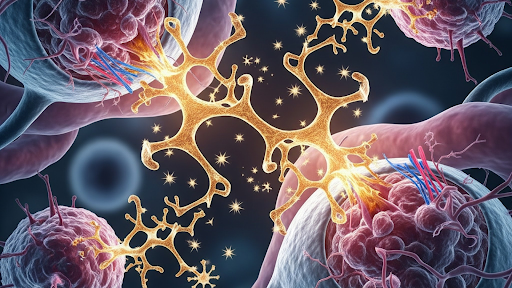
Galectin-3 is a protein found in many cells, primarily in those of the immune system. This protein is responsible for various biological processes in the body, including cell growth, inflammation, and immune response. It acts as a molecular glue, i.e, bringing together molecules that have sugar on them.
The protein is linked to various health issues, including cancer, fibrosis, and heart problems. That’s why understanding the role of galectin-3 is important for medical research to develop new ways and prevent these conditions.
Go through this post to know more about why this galectin-3 protein is leading to such conditions.
Table of Contents
Galectin-3 Role In Cancer
Galectin proteins are present in excessive amounts in various cancers, like skin, lung, breast, pancreas, ovarian, colon, thyroid, and head and neck. It helps tumor cells grow and survive by stopping them from dying.
Galectin-3 promotes cancer in 3 different ways:
- Tumor growth:
It prevents cell death while supporting the growth of blood vessels that foster the tumor.
- Invasiveness:
It helps cancer cells move into and invade nearby healthy tissues.
- Metastasis:
In colon cancer, metastatic tumors have a high galectin-3 level, while primary tumors have a lower level.
Blocking this galectin-3 protein can help stop or slow down tumor spread and growth, offering a hope for researchers to understand and find better treatments.
Researchers use tools like Rabbit Galectin 3 Polyclonal Antibody to detect and study the role of galectin-3 protein in cancer and guide new targeted therapies.
Galectin-3 And Heart Disease Link
This protein is closely linked to heart diseases, specifically heart failure. When Galectin-3 is found in higher amounts in the blood, it indicates heart stress and improper functioning.
Researchers have found that measuring the protein level helps diagnose heart disease earlier. One of the vital functions of Galectin-3 in heart disease is its involvement in scarring of the body tissue, which makes it difficult for the heart to pump blood.
Because of this, researchers study galectin-3 as a potential biomarker, used to detect, manage, and monitor the disease.
Galectin-3 Role In Inflammation And Immune Responses
This protein helps regulate immune cells against infection and injuries. When there is excess galectin-3, it contributes to chronic inflammation and fibrosis. This makes the protein an important factor to consider in autoimmune diseases, where the immune system attacks its own healthy cells.
For example, in rheumatoid arthritis, this protein causes the joints to swell and cause pain, and in inflammatory bowel disease, it leads to inflammation in the digestive tract, causing pain and diarrhea.
Because of this, the researchers target this protein to block its activity to treat these inflammatory conditions.
Galectin-3 Role In Fibrosis And Organ Damage
Fibrotic disease occurs in different organs like the liver, kidneys, and lungs, and leads to organ injury or organ failure. This protein promoted the buildup of scar tissue and made it hard for organs to function.
Galectin-3’s role in Fibrotic disease:
- Liver Cirrhosis: The liver becomes scarred and damaged.
- Pulmonary fibrosis: The lungs become stiff and scarred, affecting breathing.
- Kidney disease: Due to scar tissue buildup, kidney function declines.
Scientists are focusing on understanding the reasons contributing to fibrosis and finding a way to block its activity.
Final Takeaway
Galectin-3 plays an essential role in diseases like cancer, heart disease, inflammation, and fibrosis, making it an important target for medical research. Tools like Rabbit Galectin-3 Polyclonal Antibody help researchers understand its impact on health and disease, and provide insight to shape future therapies.

