
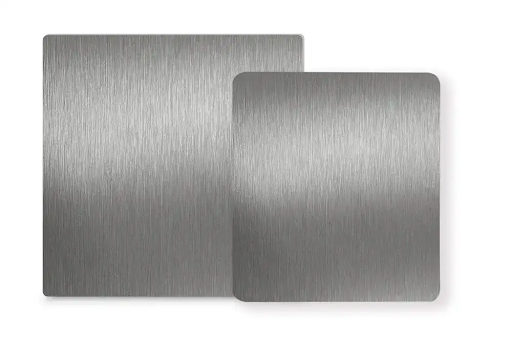
In modern architecture and interior design, materials that successfully combine strength, durability, and visual appeal are highly valued. Glossy anodized aluminum has emerged as a preferred choice for architects and designers, offering both exceptional functional performance and sophisticated aesthetic elegance. Through a unique electrochemical anodizing process, this material develops a durable oxide layer that enhances corrosion resistance, scratch resistance, and long-lasting color retention. The glossy finish further elevates its appeal, providing a sleek, reflective surface that complements contemporary design trends. From large-scale commercial façades to intricate interior accents, anodized aluminum seamlessly integrates style with practicality. As urban landscapes become increasingly complex and design expectations rise, professionals are turning to this versatile material to create modern, resilient, and visually striking structures that stand the test of time while enhancing the overall architectural experience.
This blog explores the key architectural and design applications of this versatile material, providing insights into how it elevates modern spaces.
Table of Contents
1. Exterior Cladding and Facade Design
Exterior façades define a building’s character and first impression. Using anodized aluminum for cladding, curtain walls, and decorative elements allows architects to merge visual elegance with structural durability, creating façades that are both striking and resilient in diverse environmental conditions.
- Durable Architectural Panels: Anodized aluminum is an excellent choice for exterior cladding due to its superior weather resistance. The material maintains its vibrant color and polished appearance over time, even under harsh environmental conditions. Its high-end metallic sheen adds a contemporary and sophisticated aesthetic to building façades.
- Contemporary Curtain Walls: The lightweight yet robust nature of anodized aluminum makes it ideal for modern curtain wall systems. Architects can design expansive glass-and-metal exteriors without adding excessive structural load to the building. Its durability ensures that façades remain visually striking while withstanding environmental wear.
- Decorative Façade Elements: Cornices, trims, and canopies made from anodized aluminum retain their aesthetic appeal over time. The anodized finish resists corrosion, scratching, and fading, even in urban and coastal environments. These elements enhance architectural details, contributing to a polished and cohesive exterior design.
2. Interior Wall Panels and Partitions
Interior spaces benefit immensely from materials that combine aesthetics with functionality. Glossy anodized aluminum panels, partitions, and ceiling accents enable designers to craft interiors that are modern, versatile, and visually captivating while ensuring long-term performance and ease of maintenance.
- Custom Wall Finishes: Anodized aluminum panels can be tailored in various colors, textures, and patterns to match any design theme. These panels transform ordinary walls into visually striking architectural elements that elevate interior spaces. Their durability ensures long-lasting aesthetics with minimal maintenance, even in high-traffic areas.
- Room Dividers and Screens: Lightweight and versatile, anodized aluminum allows designers to create functional partitions with style. These dividers define spaces without obstructing light or openness, maintaining a modern, airy environment. Custom shapes and finishes offer flexibility, allowing integration into diverse interior design concepts.
- Ceiling Accents: Suspended or decorative ceiling panels made from anodized aluminum enhance interior sophistication. The reflective, polished surface amplifies natural and artificial lighting, adding depth and luminosity. Lightweight and durable, these panels are easy to install and maintain, ensuring long-term performance and elegance.
3. Doors, Windows, and Frames
Doors, windows, and sliding partitions are more than functional elements; they define the flow, light, and style of a space. Incorporating anodized aluminum into these architectural components enhances durability, offers corrosion resistance, and elevates the overall contemporary look of any building.
- Durable Window Frames: Glossy anodized aluminum provides window frames with superior corrosion resistance for long-term durability. Its sleek metallic finish complements contemporary architectural styles, enhancing both form and function. The material requires minimal maintenance while retaining its polished, modern appearance over time.
- Stylish Door Panels: Anodized aluminum door panels combine elegance with strength, ensuring doors look premium and perform reliably. The finish resists wear, moisture, and environmental exposure, making it ideal for high-traffic areas. Designers value its ability to integrate seamlessly into modern interiors and architectural aesthetics.
- Sliding Partitions: Aluminum sliding panels offer a lightweight and durable solution for flexible space management. They add a contemporary, polished look while maintaining structural integrity in interior layouts. Their versatility allows architects to create open yet functional spaces that enhance modern design.
4. Decorative Features and Fixtures
Small details make a big impact in architectural and interior design. Anodized aluminum accents, lighting fixtures, and furniture integrations bring a polished, sophisticated finish to interiors while offering lasting performance and a cohesive aesthetic across design elements.
- Architectural Accents: Cornices, moldings, handrails, and trims crafted from anodized aluminum add a sophisticated, premium touch to interiors. The material’s durability ensures these decorative elements maintain their polished appearance over time. Its corrosion resistance makes it suitable for both residential and commercial spaces, combining style with longevity.
- Lighting Fixtures: Anodized aluminum enhances lighting fixtures with a reflective, polished surface that amplifies brightness. It ensures longevity and maintains visual appeal even in high-heat or high-humidity environments. Designers use it to create fixtures that are both functional and visually striking, complementing modern interior aesthetics.
- Furniture Integration: Anodized aluminum is increasingly used in furniture frames, legs, and panels to achieve a sleek, contemporary look. Its polished metallic finish elevates the visual appeal of furniture while providing structural durability. This integration allows designers to maintain consistency in color, style, and texture across interior spaces.
Final Thoughts
The applications of anodized aluminum in modern architecture and design are extensive, ranging from exterior facades and interior partitions to doors, windows, and decorative features. Its combination of durability, corrosion resistance, aesthetic appeal, and sustainability makes it an essential material for contemporary projects. By integrating this versatile material, architects and designers can achieve structures that are both visually striking and long-lasting, meeting modern standards for functionality, elegance, and eco-conscious design.
For architects, designers, and builders seeking a reliable aluminium anodizing manufacturer in India, leveraging advanced anodizing technology ensures long-lasting, visually striking results that elevate any architectural space. Professionals aiming for elegant, functional, and eco-conscious designs can explore innovative solutions available at JM Aluminium. With precision-engineered finishes and customizable options, every project can achieve both aesthetic excellence and enduring performance.