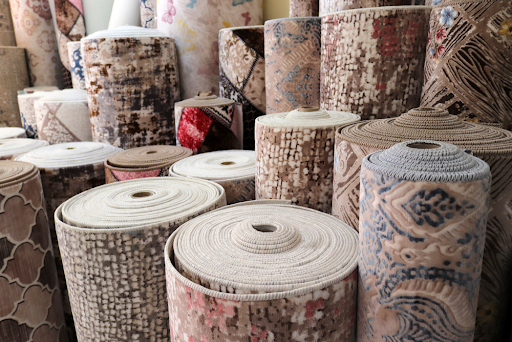
You know that cozy feeling when your feet sink into a soft rug? It’s hard to beat. Rugs aren’t just there to hide the floor—they add color, warmth, and a bit of personality to any room. But here’s the thing: not all rugs come from the same place.
Some are handmade, with real care and skill in every detail. Others are pumped out by machines, fast and efficient. So, what actually sets these two apart? Let’s take a closer look and see which kind fits your home best.
Table of Contents
What Makes a Rug “Handmade”?
Imagine someone hunched over a big wooden frame, hands moving with total focus, knotting colorful threads one by one. They keep at it for hours, days, sometimes years. That’s how a handmade rug is born. These folks? They’re artists, no question. The stuff they make is nothing short of incredible.
The methods aren’t all the same, either. With hand-knotted rugs, they tie each bit of yarn onto a loom—painstaking, detailed work. Hand-tufted rugs? That’s a whole different setup. Instead of knots, artisans use special tools to punch yarn through a canvas backing. Then you’ve got flat-woven rugs, which are all about weaving threads over and under, sort of like braiding hair, but honestly, way trickier.
And the materials those matter, too. Wool from sheep feels soft and cozy under your feet. Silk, thanks to silkworms, brings this amazing shine and a touch of luxury. Cotton keeps things tough and lets the rug breathe. Each one changes the look and feel in its own way.
How Machine-Made Rugs Are Created
Now imagine walking into a massive factory. Giant machines hum and whir as they work. These powerhouses can create complete rugs in mere hours. Pretty wild, right?
Modern power looms are technological marvels. They follow computer programs that control every single thread. Zero coffee breaks needed! The precision is remarkable. These machines never lose focus or make accidental mistakes.
Material choices are diverse. Synthetic fibers like polyester offer stain resistance. Nylon provides excellent durability for busy households. Some manufacturers still use natural materials too. The speed is what blows my mind—factories pump out hundreds of identical rugs while a single handmade piece is still being woven.
The Big Differences You Should Know
They Last Different Amounts of Time
Remember that favorite toy from childhood that somehow survived everything? Handmade rugs are built with that same lasting power. Each knot gets tied with intention and care. These beauties can stick around for decades. Sometimes they even become family heirlooms!
I’ve seen handmade rugs that are over a hundred years old. They still look gorgeous. That’s seriously impressive craftsmanship.
Machine-made rugs have a shorter lifespan generally. Most last between ten and twenty years, which isn’t bad at all. How long they survive depends on foot traffic and maintenance. A rug in a hallway wears differently than one in a guest bedroom.
They Look and Feel Different
Want to try a cool experiment? Flip any rug upside down. Check out the back carefully. Handmade rugs reveal their pattern on both sides because those knots go completely through. The design mirrors itself!
Machine-made rugs show something else entirely. Often you’ll spot latex backing or fabric support. The pattern doesn’t transfer through. Sometimes the backing is plain beige or white.
Those tiny imperfections in handmade rugs? They’re actually proof of authenticity. Colors might shift slightly across the surface. Patterns may show minor variations. One section might feel marginally different from another. These quirks make each rug special, like a fingerprint.
Your own handwriting differs from computer fonts, right? Same concept here. Machine-made rugs display flawless repetition. Every flower looks identical. Every line runs perfectly straight. Computers ensure absolute consistency.
Texture tells its own story too. Run your hand across a handmade wool rug. Feel that softness? The pile often feels richer and more luxurious. Silk versions are incredibly smooth. Machine-made options can feel nice as well, though synthetic materials sometimes create stiffer textures.
The Price Tag Tells a Story
Planning to buy 9×12 rug online anytime soon? Brace yourself for some sticker shock with handmade options. The price difference is substantial. But there’s a logical reason behind those numbers.
Think about time investment for a moment. Someone spent months creating that handmade piece. They poured skill, patience, and artistry into every inch. Machines crank out rugs in hours. Labor costs add up quickly!
A handmade 9×12 rug typically ranges from two thousand to over twenty thousand dollars. Jaw-dropping, I know! Materials, origin, and design complexity all affect pricing. Antique pieces command even higher prices.
Machine-made versions of the same size? Usually between two hundred and two thousand dollars. Much easier on the wallet! Shopping at an area rug store reveals these price differences immediately.
Here’s an interesting twist though. Handmade rugs can actually appreciate in value. They’re legitimate investments. Vintage Persian rugs often sell for more than their original price. Machine-made rugs depreciate like cars driving off the lot.
Each One Is Special (Or Not)
Handmade rugs are wonderfully unique. Two weavers could attempt identical designs. Subtle differences would still emerge. Maybe one uses slightly deeper blues. Perhaps another ties knots a bit tighter. These variations create character.
It’s like comparing homemade cookies to store-bought ones. Both taste good! But homemade batches always vary slightly. That imperfection makes them memorable.
Machine-made rugs embrace uniformity. You could buy the same pattern from different stores and they’d match perfectly. This works great if you need exact color coordination. Or if you’re furnishing multiple identical rooms. But uniqueness isn’t part of the package.
How to Tell Them Apart
Ready to become a rug expert? These detective tricks work like magic.
Check the fringe first: Those tassels on the ends aren’t just decorative on handmade rugs. They’re actually part of the structural foundation—where weaving starts and finishes. Machine-made fringe gets sewn on afterward. Look closely and you’ll spot stitching lines.
Examine the back thoroughly: We talked about this earlier, but it’s worth repeating. Pattern visibility on the reverse side is your biggest clue. Clear design? Probably handmade. Different appearance? Likely machine-made.
Feel the weight: Pick up a corner if possible. Handmade rugs often weigh more because they contain denser materials. More knots per square inch equals more weight. Machine-made versions tend to feel lighter overall.
Study those edges: Handmade rugs feature hand-stitched borders. These edges might show tiny variations in tightness or color. Machine-made edges look robotically perfect. Every stitch matches the next exactly.
Notice the price: Sometimes the simplest indicator is cost. An incredibly detailed 8×10 rug selling for three hundred dollars? Definitely machine-made. No artisan could afford to charge that little for months of work.
Which Type Should You Choose?
Both rug types have earned their place in modern homes. Your lifestyle should guide this decision. Let me break it down.
Choose handmade if:
- Long-term investment appeals to you
- Craftsmanship and artistry matter deeply
- You’re decorating spaces like living rooms or dining areas
- Budget flexibility allows for higher spending
- Supporting traditional craftspeople feels important
- Unique, one-of-a-kind pieces excite you
- You appreciate items with cultural history
Choose machine-made if:
- Budgets are tight right now
- High-traffic areas need coverage (playrooms, entryways, mudrooms)
- You enjoy refreshing decor frequently
- Matching existing furniture exactly is crucial
- Rental properties need furnishing
- Kids or pets might cause damage
- Practical durability outweighs artistic value
Neither choice is wrong! Your needs are what matter most. I’ve seen stunning rooms featuring both types. Sometimes mixing them works beautifully.
Taking Care of Your Rug
Proper maintenance extends any rug’s lifespan significantly. Regular vacuuming helps, but be gentle with handmade pieces. Those delicate fibers need careful treatment.
Rotate your rug every three to six months. This prevents uneven wear patterns from foot traffic. Sunlight fades colors over time, so rotation helps maintain even coloring.
Spills happen—we’re only human! Blot immediately with clean cloths. Never rub or scrub aggressively. That damages fibers and spreads stains. For serious messes, professional cleaners know their stuff. They understand different materials and construction methods.
Vacuuming needs adjustment based on rug type. Handmade rugs appreciate gentler suction settings. Turn off the beater bar if possible. Machine-made rugs typically handle regular vacuum power just fine.
Padding underneath makes a huge difference. It prevents slipping, adds cushioning, and reduces wear. Every rug benefits from quality padding. This small investment pays off big time.
Finding Quality Rugs That Fit Your Lifestyle
Shopping for rugs has never been easier. Online options are endless. Physical stores let you touch and examine pieces personally. Each shopping method offers advantages.
Take your time during the selection process. Measure your space accurately before browsing. Consider existing color schemes. Think about traffic patterns in that room. These factors influence which rug type makes sense.
Don’t rush this decision! A rug anchors your entire room. It affects how the space feels and functions. Living with a rug you love beats settling for something convenient.
Read reviews when shopping online. Other buyers share valuable insights about quality and durability. Photos can be deceiving, so customer feedback helps immensely.
The Bottom Line
Choosing between handmade and machine-made really comes down to personal priorities. Neither option is universally superior. Both serve different purposes beautifully.
Handmade rugs deliver timeless elegance. They offer exceptional quality that lasts generations. The uniqueness factor can’t be replicated. You’re buying art as much as floor covering.
Machine-made rugs provide practical solutions. Affordability opens doors for more people. Consistency means you know exactly what you’re getting. Modern manufacturing has improved quality tremendously.

