
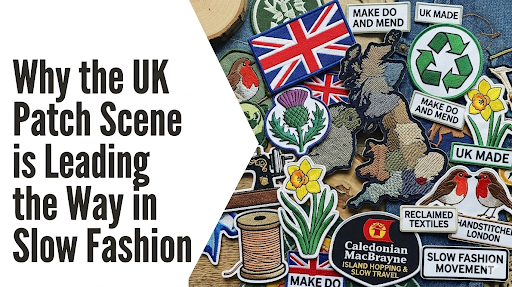
In recent years, slow fashion has emerged as a conscious alternative to fast fashion, emphasizing sustainability, quality, and individuality. Among the many trends shaping this movement, the UK Patch Scene stands out as a creative and eco-friendly revolution in clothing personalization. From independent designers to vintage enthusiasts, patches are transforming wardrobes while promoting mindful fashion practices.
Table of Contents
The Rise of the Patch Culture in the UK
The UK Patch Scene has roots in both punk and DIY subcultures, where individuals used patches to make bold statements on jackets, bags, and accessories. Over time, this practice evolved into a mainstream appreciation for craftsmanship and storytelling through clothing. Today, patches are more than decorative elements they represent personal identity, activism, and sustainability.
Unlike mass-produced fast fashion items, patches allow people to revive and repurpose their existing clothes. This aligns perfectly with slow fashion principles: reducing waste, supporting local artisans, and embracing uniqueness over uniformity.
Sustainability Meets Style
One of the core reasons why the UK Patch Scene is gaining traction is its sustainability factor. Patches, especially high-quality embroidered ones, allow individuals to refresh worn-out garments instead of discarding them. This practice not only extends the life of clothing but also reduces the environmental impact of textile production.
For instance, vintage denim jackets can be customized with patches to give them a fresh, contemporary look. Even simple iron on patches for clothes offer a practical way to mend or decorate garments without sewing expertise, making eco-conscious fashion accessible to everyone.
Celebrating Local and Cultural Heritage
The UK is home to a vibrant array of designers who celebrate local culture through patches. Among these are Irish patches, which often incorporate Celtic designs, folklore, and traditional motifs. By adding these patches to everyday clothing, wearers honor heritage while creating one-of-a-kind fashion statements.
This focus on local artistry supports small businesses and independent creators, a cornerstone of the slow fashion ethos. Consumers are increasingly choosing meaningful products over mass-produced options, prioritizing quality, story, and craftsmanship.
The Role of Embroidered Morale Patches
Another fascinating aspect of the UK Patch Scene is the popularity of embroidered morale patches. Originally designed for military and service uniforms, morale patches have transcended their utilitarian roots and become a staple in streetwear and casual fashion. Their bold graphics, witty messages, and intricate embroidery appeal to collectors and style-conscious consumers alike.
By incorporating morale patches into everyday outfits, fashion enthusiasts express individuality while aligning with sustainable practices. These patches are durable, reusable, and often handcrafted—perfectly complementing the slow fashion movement’s emphasis on long-lasting apparel.
DIY and Personalization: The Heart of the Scene
Personalization is at the core of the UK’s patch culture. Whether you’re adding a patch to a backpack, denim jacket, or hat, each piece tells a story unique to its wearer. This DIY approach fosters creativity and reduces reliance on mass-produced clothing, which is central to the slow fashion philosophy.
Online platforms and local craft markets make it easy to source patches, from limited-edition collections to vintage finds. Many UK-based businesses now offer bespoke services, allowing customers to design their own patches or curate collections that reflect their personality and values.
Why the UK Patch Scene Matters for Slow Fashion
The UK Patch Scene exemplifies how niche trends can drive larger shifts in the fashion industry. By encouraging upcycling, promoting local craftsmanship, and emphasizing individuality, it provides a blueprint for sustainable style. Patches allow fashion lovers to embrace a creative, responsible approach that prioritizes quality and longevity over disposable trends.
Moreover, this trend highlights an important cultural shift. Fashion is no longer just about aesthetics; it’s about storytelling, ethics, and personal expression. By integrating patches into wardrobes, consumers participate in a movement that values sustainability as much as style.
Final Thoughts
Slow fashion is not just a passing trend it’s a mindset that challenges the way we consume clothing. The UK Patch Scene is at the forefront of this movement, merging creativity, sustainability, and heritage into a compelling fashion narrative. Whether it’s iron on patches for clothes, Irish patches, or embroidered morale patches, the patch movement empowers individuals to make their style truly their own.
As more people embrace this approach, the UK continues to inspire global slow fashion practices, proving that a small patch can make a big impact.