
Table of Contents
Introduction
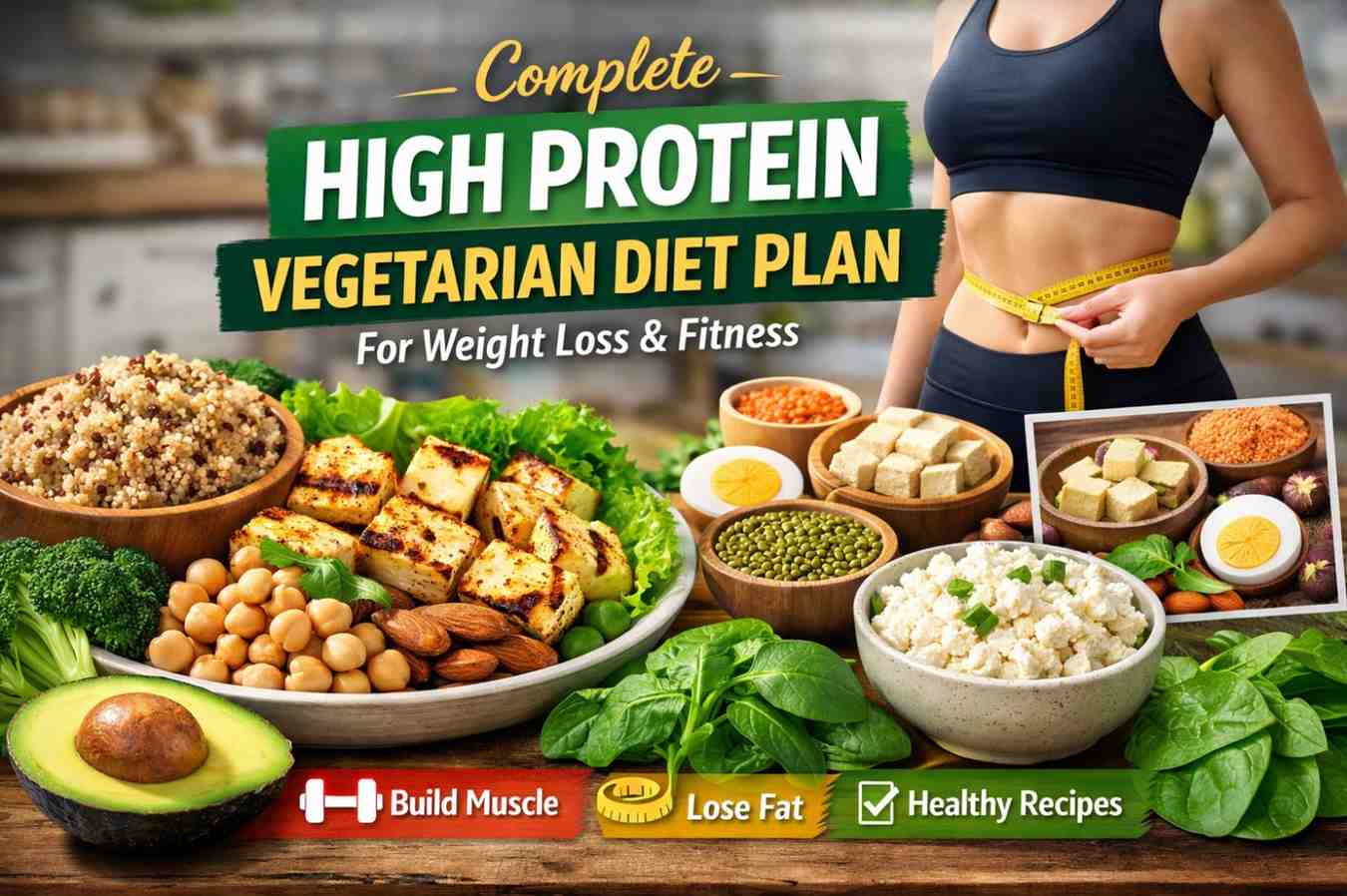
Getting enough protein on a vegetarian diet is easier than most people think. A well-planned high protein vegetarian diet plan can give your body everything it needs — from muscle growth and recovery to sustained energy and better immunity. Whether you are an athlete, a fitness enthusiast, or someone trying to eat healthier, this guide covers everything you need to know about meeting your daily protein goals without eating meat.
Download PDF – high protein vegetarian diet plan
Why Protein Matters for Vegetarians
Protein is the building block of your muscles, skin, hormones, and enzymes. When you don’t eat meat, you need to be more strategic about where your protein comes from.
The average adult needs about 0.8-1.0 grams of protein per kilogram of body weight per day. If you are active or trying to build muscle, that number rises to 1.2-1.6 grams per kg.
Without adequate protein:
- Muscle mass decreases
- Recovery from workouts slows down
- Hair and nails become weak
- Energy levels drop throughout the day
Best High Protein Vegetarian Foods
- Paneer (Cottage Cheese): ~18g protein per 100g
- Greek Yogurt: ~10g protein per 100g
- Lentils (Dal): ~9g protein per 100g (cooked)
- Chickpeas (Chhole): ~8.9g protein per 100g (cooked)
- Tofu: ~8g protein per 100g
- Quinoa: ~4.4g protein per 100g (cooked, complete protein)
- Edamame: ~11g protein per 100g
- Tempeh: ~19g protein per 100g
- Almonds: ~21g protein per 100g
- Hemp Seeds: ~31g protein per 100g
- Chia Seeds: ~17g protein per 100g
Sample High Protein Meal Plan (Detailed Daily Schedule)
| Time | Meal |
Protein (approx.) |
|
7:00 AM |
2 eggs or tofu scramble + 1 cup milk | 20g |
|
10:00 AM |
Greek yogurt + mixed seeds + berries | 15g |
|
1:00 PM |
Rajma / chole + brown rice + salad | 22g |
|
4:00 PM |
Roasted chana + 1 handful almonds |
12g |
| 7:00 PM | Paneer or tempeh curry + 2 rotis |
22g |
| 9:00 PM | Casein (milk) or curd before bed |
10g |
| Total |
~101g |
Step-by-Step Guide to Starting a High Protein Vegetarian Diet
- Calculate your daily protein requirement — multiply body weight (kg) by 1.2-1.6.
- Identify your primary protein sources — choose 4-5 high-protein foods you enjoy.
- Plan meals around protein, not around carbs. Decide the protein first, then add carbs.
- Add protein to every meal and snack — curd, nuts, roasted chana, or a protein smoothie.
- Use protein supplements if needed — whey, plant protein, or soy protein.
- Track your intake for the first 2 weeks using a free app like MyFitnessPal.
- Adjust as needed. If you feel hungry or fatigued, increase protein-rich food portions gradually.
Tips for Maximising Protein Absorption
- Combine proteins: Rice with dal or roti with curd gives a complete amino acid profile.
- Eat protein at breakfast: Keeps you fuller longer and reduces cravings.
- Space out protein intake: Spread across 4-6 meals rather than consuming all at once.
- Stay hydrated: Adequate water supports protein metabolism and kidney health.
- Include vitamin C: Pair iron-rich foods like lentils with lemon or tomato.
Common Mistakes on a Vegetarian High Protein Diet
- Relying only on one source: Rotate between lentils, paneer, tofu, and legumes.
- Ignoring protein at breakfast: Always add curd, eggs, or seeds to morning meals.
- Forgetting healthy fats: Nuts and seeds provide protein AND healthy fats.
- Overcooking legumes: Cook just until tender to preserve amino acids.
- Skipping post-workout protein: Muscles need protein within 30-60 minutes after exercise.
Conclusion
Hair fall during teenage years can feel overwhelming, but with the right approach, it is almost always manageable and reversible. Address the root cause — whether nutritional, hormonal, or stress-related — rather than just looking for surface-level fixes.
Take the first step today. Book a blood test, start eating more iron-rich foods, and massage your scalp tonight. Your hair can grow back stronger — it just needs the right support from you.
Also Read: Best Vegan Protein Sources
Frequently Asked Questions (FAQs)
Q1. Can vegetarians really build muscle on a plant-based diet?
Absolutely. Many elite athletes follow a vegetarian diet. The key is meeting your daily protein targets consistently and training hard.
Q2. What is the easiest high protein breakfast for vegetarians?
A bowl of Greek yogurt with mixed seeds and a boiled egg is quick and gives you 20-25g of protein in minutes.
Q3. How much protein do I need per day as a vegetarian?
For a sedentary adult, aim for 0.8g per kg of body weight. If you exercise regularly, increase to 1.2-1.6g per kg.
Q4. Is paneer a complete protein?
Paneer contains all essential amino acids, making it a high-quality complete protein source ideal for vegetarians.
Q5. Are plant proteins as good as animal proteins?
Combining different sources like rice and dal throughout the day gives you a complete amino acid profile comparable to animal proteins.
Q6. Can I lose weight on a high protein vegetarian diet?
Yes. Protein increases satiety, reduces appetite, and supports fat loss while preserving muscle mass.
Q7. What are the best protein supplements for vegetarians?
Whey protein (from milk), pea protein, soy protein isolate, and brown rice protein are excellent vegetarian-friendly options.
Q8. Is too much protein bad for vegetarians?
Excess protein can strain the kidneys over time. Stick to recommended amounts based on your body weight and drink plenty of water.
Conclusion
A high protein vegetarian diet plan is not just possible — it is practical, delicious, and deeply effective. With the right combination of lentils, dairy, legumes, tofu, and seeds, you can easily meet your protein goals every single day.
Ready to take control of your nutrition? Start your 7-day high protein vegetarian diet plan today and feel the difference in your energy, strength, and overall health within just two weeks!