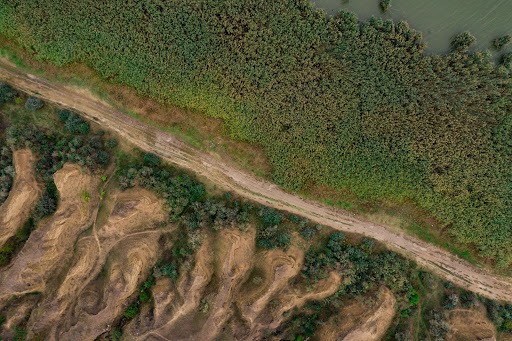
Understanding land before development begins is a fundamental requirement for modern construction, infrastructure planning, and engineering projects. Every piece of land contains a complex mix of elevation changes, natural features, built structures, and environmental conditions that influence how a site can be developed. Without reliable information about these elements, project planning becomes uncertain and risks costly adjustments later in the process.
Professional topographic survey services transform raw terrain into structured, accurate information that designers and engineers can confidently use. By capturing elevation data, natural contours, and site features, surveyors create a detailed representation of the landscape. This information helps project teams make informed decisions about design placement, grading strategies, drainage systems, and structural feasibility.
Table of Contents
Understanding the Role of Topographic Data in Land Assessment
Before design work begins, professionals must first understand the natural characteristics of a site. Accurate terrain data reveals the physical conditions that shape how development should proceed.
- Elevation Mapping and Contour Identification: Precise elevation measurements allow surveyors to map contour lines that represent changes in land height across the site. These contours provide engineers with a visual representation of slopes and gradients, helping them determine how structures, roads, and drainage systems should be positioned.
- Documentation of Natural and Built Features: A comprehensive terrain analysis includes both natural elements and existing structures. Surveyors record trees, water bodies, utility lines, roadways, and nearby buildings that may influence development decisions.
- Identification of Potential Site Constraints: Land rarely presents a perfectly uniform surface. Variations in slope, soil conditions, and water flow patterns may present challenges that affect building placement and infrastructure design.
Transforming Field Measurements into Reliable Planning Data
The true value of terrain mapping lies not only in collecting measurements but also in converting those measurements into usable planning resources. Professional surveyors apply systematic processes to transform field data into structured information.
- High-Precision Data Collection Techniques: Modern survey teams use advanced equipment such as total stations, GPS receivers, and laser scanning technology to capture detailed land measurements. These tools allow professionals to record thousands of precise data points across a site, ensuring that every elevation change and surface variation is accurately documented.
- Digital Terrain Modeling and Visualization: After data collection, surveyors process the information to create digital terrain models. These models present the land surface in a three-dimensional format, making it easier for engineers and architects to understand how the site behaves. By visualizing the terrain digitally, project teams can analyze slope behavior, drainage flow, and structural positioning before finalizing their design plans.
- Integration with Engineering and Design Software: Modern project workflows rely heavily on digital collaboration. Terrain data generated through survey services can be seamlessly integrated into engineering and architectural design software. This compatibility ensures that survey information directly supports design modeling, allowing teams to refine project layouts with greater accuracy and efficiency.
Enhancing Design Accuracy and Construction Efficiency
Accurate land information has a direct impact on project performance. When design teams have reliable terrain data, they can create solutions that align closely with real-world site conditions.
- Improved Site Layout Planning: Survey data allows planners to position buildings, roadways, and utilities in locations that best suit the natural terrain. Instead of forcing the land to adapt to the design, engineers can shape the design around the land. This approach reduces unnecessary excavation and grading while maintaining structural stability.
- Efficient Earthwork and Grading Strategies: One of the most expensive aspects of construction involves moving and reshaping soil. Accurate elevation data enables engineers to calculate earthwork volumes precisely, determining how much material must be removed, added, or redistributed across the site.
- Reduced Risk of Construction Delays: Unexpected terrain conditions often cause project delays when discovered during construction. With detailed survey information available from the start, engineers can identify potential complications early.
Supporting Infrastructure Development and Urban Planning
Beyond individual construction projects, terrain analysis plays a crucial role in broader infrastructure development and urban planning initiatives.
- Transportation and Roadway Design: Road networks must follow terrain patterns to ensure safety and durability. Elevation data helps engineers design road alignments that accommodate slopes, minimize sharp gradients, and manage water drainage effectively. Proper terrain analysis ensures that transportation infrastructure remains functional and resilient over time.
- Stormwater and Drainage Planning: Water movement across land surfaces significantly affects construction performance. Survey data helps planners identify natural drainage paths and low-lying areas where water may accumulate. By incorporating these insights into infrastructure design, engineers can create drainage systems that prevent flooding and soil erosion.
- Utility Network Planning: Utilities such as water pipelines, electrical conduits, and communication networks must be installed in locations that align with terrain conditions. Detailed mapping from a topographic survey allows engineers to plan these systems with precision, ensuring efficient installation and long-term reliability.
Driving Smarter Decisions Through Data-Driven Land Insights
Modern development relies increasingly on accurate data to guide decision-making. Surveying transforms complex landscapes into structured information that supports strategic planning.
- Early Feasibility Analysis: Before committing to large-scale investments, developers need to determine whether a site is suitable for their intended project. Terrain analysis provides valuable insights into land usability, helping stakeholders evaluate development feasibility with confidence.
- Collaboration Across Project Teams: Survey data acts as a shared reference point for architects, engineers, contractors, and planners. With consistent terrain information available to all stakeholders, project teams can collaborate more effectively and align their decisions with the realities of the land.
- Long-Term Asset Management: Accurate terrain documentation does not lose value after construction is complete. The data collected during the survey can support future maintenance, expansion planning, and infrastructure upgrades. By maintaining reliable records of site conditions, organizations can manage their built assets more efficiently over time.
Conclusion
In modern construction and infrastructure development, reliable land data is no longer optional; it is essential. By transforming raw terrain into structured planning insights, professional surveyors provide the clarity required to design safe, efficient, and sustainable projects. Through precise measurement, digital modeling, and integration with engineering workflows, topographic survey services solutions ensure that every stage of development is guided by accurate information rather than assumptions.
For projects that demand accurate land data and reliable surveying expertise, Lyca Survey delivers professional solutions tailored to modern development needs. With advanced equipment and experienced surveying professionals, the company provides precise terrain analysis that supports engineering, infrastructure, and construction planning.

