
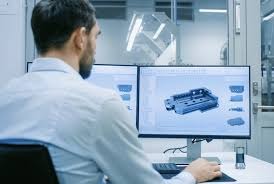
In today’s rapidly evolving marketplace, innovation is no longer optional—it is a competitive necessity. Whether you’re a startup with a big idea or an established enterprise expanding your product line, the journey from concept to market-ready solution involves countless decisions, iterations, and specialized expertise. This is where product design and development services prove invaluable.
These services combine creative thinking, engineering knowledge, market research, and technological agility to turn ideas into profitable, scalable products. From early ideation to prototyping, testing, and manufacturing support, a professional product development team helps reduce risk, shorten time-to-market, and ensure that the final product aligns with user needs and business goals.
In this article, we’ll explore how product design and development services empower businesses, the key steps involved, what to look for in a service provider, and why outsourcing may be the smartest move for growing organizations.
Table of Contents
Understanding Product Design and Development Services
Product design and development services encompass a broad set of activities aimed at creating functional, market-ready solutions. These services typically combine:
- Industrial design
- Mechanical and electrical engineering
- CAD modeling
- UX/UI design (for digital products)
- Prototyping and rapid iteration
- Testing and quality validation
- Manufacturing support
- Market research and product strategy
Together, they form a structured pathway that takes an idea from initial concept to full-scale production.
Businesses that invest in product design and development services gain access to specialized experts, tools, and methodologies that improve product quality while strengthening competitive advantage.
Why These Services Matter More Than Ever
1. Faster Time-to-Market
Timing is everything—especially in technology-driven industries where consumer preferences shift quickly. Professional development teams use agile processes and advanced tools to accelerate the journey from concept to launch.
2. Reduced Development Risks
Product failures are costly. A structured development process reduces risks related to user needs, manufacturability, and compliance by identifying flaws early in the cycle.
3. Enhanced User Experience
Effective design goes beyond appearance; it focuses on usability, ergonomics, and emotional connection. Product design specialists ensure that the final solution resonates with target users.
4. Access to Cutting-Edge Tools and Expertise
Most businesses do not have in-house industrial designers, 3D modelers, electrical engineers, or prototyping equipment. Outsourcing provides immediate access to these resources at a fraction of the cost.
5. Scalability and Market Expansion
Whether you aim to create a new product line or re-engineer an existing one, product design and development services help scale your business strategically with market-driven insights.
The Product Design and Development Process Explained
A well-structured product development cycle consists of several critical stages. While each provider may follow its own methodology, the fundamentals remain consistent across the industry.
1. Discovery and Research
This initial phase focuses on understanding customer needs, market trends, competitor offerings, and technological feasibility. Clear project goals and success criteria are established.
2. Concept Generation
Designers brainstorm and sketch multiple ideas. These concepts are evaluated based on feasibility, cost, user experience, and alignment with the business strategy.
3. Detailed Design & Engineering
The chosen concept enters a more refined phase, where CAD models, engineering calculations, and UX/UI frameworks are created. This stage ensures the product is functional, safe, and ready for prototyping.
4. Prototyping
Prototypes—ranging from simple mockups to fully functional models—are built to test the design. Rapid prototyping technologies such as 3D printing accelerate this stage drastically.
5. Testing & Validation
Testing evaluates performance, durability, compliance, safety, and user satisfaction. Feedback from real users and test engineers helps refine the design.
6. Manufacturing Support
A great product can still fail if manufacturing is inefficient or costly. Development teams assist in selecting materials, suppliers, production methods, and quality control strategies.
7. Launch & Post-Launch Optimization
After market release, user feedback provides insights for iterative improvements, future upgrades, and support documentation.
Key Benefits of Outsourcing Product Design and Development Services
Cost Savings
Hiring permanent design engineers, UX designers, and prototyping specialists is expensive. Outsourcing provides expertise on demand, reducing overhead.
Access to Multi-Disciplinary Talent
Most innovative products require mechanical, electrical, software, and industrial design inputs. External teams offer all of these under one roof.
Objective Perspective
An external partner brings fresh insights without internal biases that may limit creativity.
Faster Delivery Through Specialized Tools
Advanced software—such as SolidWorks, CATIA, Autodesk Fusion 360, or embedded systems tools—and rapid prototyping technologies significantly accelerate product readiness.
Improved Product Quality
With structured processes, quality testing, and engineering standards, outsourced product design and development teams enhance reliability and user satisfaction.
How to Choose the Right Product Design and Development Partner
Selecting the right service provider is critical for product success. Consider the following:
1. Experience in Your Industry
Different industries—medical, consumer electronics, automotive, IoT devices—have unique requirements. Choose a firm experienced in your niche.
2. Portfolio and Case Studies
A proven track record demonstrates capability and expertise.
3. Technical Capabilities
Confirm the team offers the engineering, design, prototyping, and manufacturing support you need.
4. Communication and Collaboration
Product development requires ongoing discussions and transparency. Choose a responsive, collaborative partner.
5. Budget and Timeline
Clearly define your budget and deadlines. Reputable providers help balance cost with quality.
The Future of Product Design and Development Services
Technological innovation is reshaping product development at a rapid pace:
- AI-driven design tools accelerate concept generation.
- IoT integration makes everyday products smarter.
- Sustainable materials reduce environmental impact.
- Digital twins allow virtual testing before manufacturing.
Businesses that embrace professional product design and development services position themselves at the forefront of this digital and sustainability-driven era.
Frequently Asked Questions (FAQ)
1. What industries benefit most from product design and development services?
Almost every industry benefits, including consumer electronics, healthcare, automotive, home appliances, industrial equipment, IoT devices, and retail products.
2. How long does the product development process take?
Depending on complexity, development can take anywhere from a few weeks for simple products to 12+ months for advanced technical solutions.
3. How much do these services cost?
Costs vary based on design complexity, engineering requirements, prototyping needs, and manufacturing support. Providers typically offer custom quotes.
4. Is outsourcing product design safe for my intellectual property?
Yes—reputable firms use NDAs, IP agreements, and secure data protocols to protect your concept and information.
5. Do I need a fully formed idea before contacting a product development firm?
Not at all. Many providers assist with ideation, market research, and early-stage concept creation.
Disclaimer
This article is intended for general informational purposes only and does not constitute professional business, engineering, or legal advice. Companies should consult qualified product design and development services firms and legal advisors for guidance tailored to their specific projects and requirements.