
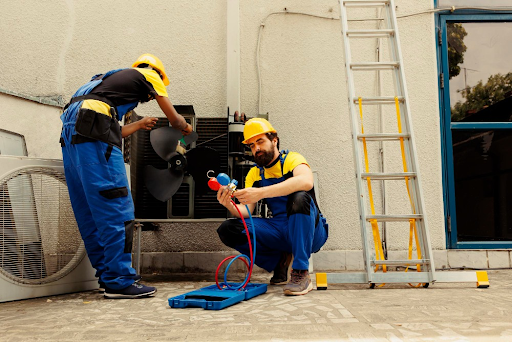
People spend weeks choosing which air conditioner to buy and about ten minutes thinking about how it will be installed. That balance is backwards. A capable unit installed badly will cool poorly, cost more to run, and fail sooner, while a modest unit installed well will quietly outperform expectations for years. Installation is where the value of the whole purchase is either locked in or thrown away.
This guide covers what a proper installation involves, the mistakes that quietly sabotage cooling, and why the details matter as much in a Noida flat as in a Gurgaon apartment.
Table of Contents
Why Installation Decides Long-Term Performance
An air conditioner is not a plug-and-play appliance. How and where it is installed affects airflow, drainage, refrigerant behaviour, and electrical safety. Get these right and the unit performs to its rating. Get them wrong and you spend years fighting problems that no amount of servicing will fully fix.
The frustrating part is that installation faults often hide at first. A newly fitted unit cools well enough in its first weeks, so nobody suspects the installation. The problems, weak cooling, leaks, high bills, appear later, by which point they are wrongly blamed on the unit’s quality rather than the way it was fitted.
The Elements of a Proper Installation
A sound installation gets several things right together. The indoor unit must be mounted level and at a sensible height, with enough clearance for airflow. The outdoor unit needs a stable, ventilated position where it can shed heat without recirculating its own hot air. The distance and height difference between the two units must respect the manufacturer’s limits, because exceeding them strains the system.
The pipe work matters enormously. Connections must be tight and properly flared, the lines correctly insulated, and the system checked for leaks before it is charged. Drainage must be arranged so condensation flows away cleanly rather than dripping down a wall. A professional ac installation service in gurgaon treats each of these as part of one job, because a weakness in any of them undermines the rest.
The Electrical Side of Installation
An air conditioner is a demanding electrical load, and installation is the moment to get the supply right. The unit needs a suitably rated circuit, sound wiring, and a proper connection point. Running a powerful AC off an inadequate circuit invites tripping at best and a safety hazard at worst.
This is easy to overlook in the excitement of a new purchase, but it is not optional. Confirming that the point can handle the load, and upgrading it if it cannot, is part of installing the unit properly rather than a separate luxury. Skipping this step is a common reason new installations trip breakers or underperform.
Common Installation Mistakes
Several mistakes recur often enough to be predictable. Placing the outdoor unit in a cramped, unventilated spot where it cannot expel heat is among the most damaging, because it forces the system to work against itself. Poorly flared or under-insulated pipes cause refrigerant inefficiency and condensation problems. An indoor unit mounted at a bad angle leads to water dripping instead of draining. And skipping the leak check before charging the system stores up trouble that surfaces weeks later.
Each of these is invisible to a customer watching the installation, which is exactly why the competence of the installer matters so much. You are trusting them to get right the things you cannot easily verify yourself.
Why the Same Care Applies in Noida
Good installation is not city-specific, but local conditions shape the details. Apartment layouts, balcony rules, outdoor unit placement options, and wiring age all influence how a unit should be fitted. A household arranging an ac installation service in noida faces the same fundamentals as one in Gurgaon, adapted to the specifics of the building.
The constant across both cities is that installation quality is decided by the installer’s diligence, not the postcode. The same checklist of level mounting, sound pipe work, proper drainage, and adequate electrical supply applies everywhere, and the same faults appear wherever it is ignored.
Practical Recommendations
Give installation the same attention you gave to choosing the unit. Confirm the outdoor unit has a ventilated, stable position before work starts. Insist on proper pipe insulation, correct flaring, and a leak check before the system is charged. Make sure the electrical circuit is rated for the load and upgraded if needed. And choose installers who follow a clear method rather than rushing to finish.
The comfort you get from an air conditioner over its whole life is largely decided in the few hours it is installed. Spending that time carefully, with a competent installer, is one of the highest-return decisions a buyer can make.
FAQs
Does installation quality really affect cooling that much?
Yes. Poor placement, bad pipe work, or inadequate drainage can cripple even a good unit, while careful installation lets a modest unit perform to its full rating.
Why does the outdoor unit’s location matter?
The outdoor unit sheds heat. If it sits in a cramped, unventilated spot, it recirculates its own hot air and the whole system struggles, raising bills and wear.
Do I need to check my wiring before installation?
Yes. An AC is a heavy load. Confirming the circuit can handle it, and upgrading it if not, prevents tripping and safety problems from the start.
Are installation standards different in Noida and Gurgaon?
The fundamentals are the same. Local building layouts and wiring conditions change the details, but level mounting, sound pipe work, proper drainage, and adequate power apply in both.