
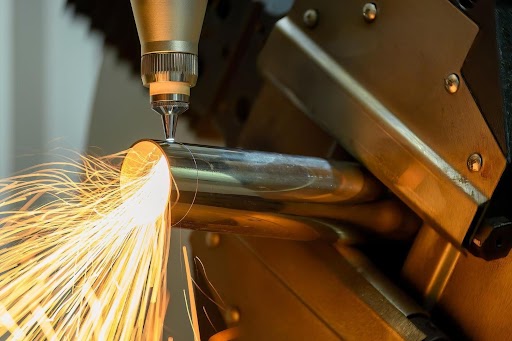
In today’s competitive manufacturing industry, precision, efficiency, and cost control are more critical than ever. Dubai tube laser cutting has emerged as a game-changing technology that enables manufacturers to achieve accurate cuts while minimizing raw material waste. By optimizing production processes, this advanced cutting method allows businesses to reduce operational costs, improve workflow efficiency, and maintain high-quality standards across projects.
Tube laser cutting is particularly advantageous in industries where metal tubes, pipes, and complex shapes are regularly used. Its precision and automation capabilities reduce human error and support consistent results, making it a preferred solution for both large-scale production and specialized fabrication projects.
Table of Contents
Understanding Tube Laser Cutting Technology
Tube laser cutting utilizes a high-powered laser guided by computer numerical control (CNC) software to cut metal tubes and pipes. Unlike traditional methods such as sawing, shearing, or plasma cutting, laser technology provides:
- Exceptional accuracy, ensuring every cut meets exact specifications.
- Smooth and clean edges, which reduce post-processing time.
- Ability to cut complex shapes, including angles, curves, and intricate patterns, without changing tools.
- Minimal heat-affected zones, preventing material deformation and maintaining structural integrity.
This combination of automation and precision makes tube laser cutting ideal for industries like automotive, aerospace, construction, and heavy machinery.
How Tube Laser Cutting Minimizes Material Waste
A primary advantage of Dubai tube laser cutting is its ability to significantly reduce material waste. Traditional cutting methods often generate scrap due to inefficient layouts, manual errors, or excess kerf. Advanced laser cutting addresses these challenges through:
- Optimized nesting software calculates the most efficient way to lay out cuts, maximizing material utilization.
- Narrow kerf width minimizes the amount of metal lost during cutting.
- Consistent automation reduces mistakes that can lead to scrap.
Some manufacturers report up to 30% reduction in raw material waste, which translates into substantial cost savings over multiple projects. This efficiency also supports sustainable production practices, reducing environmental impact.
Enhancing Operational Efficiency
Tube laser cutting significantly enhances operational efficiency by streamlining multiple aspects of the manufacturing process.
- Faster Production Times: Advanced machines can cut multiple tubes simultaneously or in quick succession, drastically reducing the overall production cycle and helping manufacturers meet tight deadlines.
- Lower Labor Requirements: Automation handles complex cutting patterns, reducing the need for manual handling and freeing staff to focus on other value-added tasks.
- Consistent Quality: The precision of laser cutting ensures uniform, high-quality edges for every tube, reducing the need for rework and minimizing production downtime.
- Reduced Setup Time: Software-based controls allow quick adjustments and eliminate frequent tool changes, meaning projects can start and finish faster without compromising accuracy.
These combined advantages allow manufacturers to maintain high output, reduce operational bottlenecks, and deliver projects on schedule while ensuring superior quality.
Versatility Across Materials
Modern laser systems are built to accommodate a wide variety of materials, providing flexibility across different projects:
- Stainless Steel, Carbon Steel, and Aluminum: Supports diverse applications without requiring multiple machines.
- Round, Square, Rectangular, and Custom Tube Profiles: Ensures precision even for non-standard shapes.
- Pipes of Various Diameters and Wall Thicknesses: Handles a broad range of tube sizes with consistent accuracy.
This versatility enables manufacturers to switch between materials and project requirements seamlessly, making tube laser cutting a practical solution for both specialized and large-scale industrial applications.
Real-World Applications
Industries benefiting from advanced tube laser cutting include:
- Automotive and Aerospace: Produces precise structural components and custom fittings with minimal scrap.
- Construction and Infrastructure: Facilitates steel frameworks, pipelines, and other essential structures efficiently.
- Industrial Machinery: Ensures the creation of durable tubes and mechanical components with consistent dimensions.
- Furniture and Interior Design: Allows for custom metal structures that combine aesthetic appeal with structural integrity.
Each industry experiences reduced material waste, improved productivity, and higher quality outcomes thanks to the precision and adaptability of tube laser cutting.
Maintenance and Best Practices
To ensure consistent performance, manufacturers should follow essential maintenance and operational practices:
- Regularly Clean Lenses, Mirrors, and Nozzles: Keeps the laser beam precise and prevents a reduction in cutting efficiency.
- Perform Periodic Inspections: Identify misalignment or wear early, avoiding downtime or defective cuts.
- Train Operators Thoroughly: Ensures staff understand software controls, cutting parameters, and safety guidelines.
- Select Appropriate Material and Thickness: Proper selection reduces machine strain and maintains consistent quality.
Adhering to these practices minimizes interruptions, lowers scrap rates, and guarantees high-quality output across all projects.
Sustainability Benefits
Tube laser cutting also offers significant eco-friendly advantages:
- Reduced Scrap: Less waste reduces the need for raw material extraction, conserving resources.
- Minimal Chemical Usage: Unlike some mechanical processes, laser cutting requires fewer chemicals.
- Shorter Production Cycles: Lower energy consumption per unit produced.
- Reduced Transportation of Defective Parts: Decreases overall carbon footprint.
Adopting laser cutting technology aligns with sustainable manufacturing goals, supporting both environmental and cost-efficiency objectives.
Leveraging Data for Optimization
Advanced tube laser systems often feature monitoring and analytics tools that help manufacturers optimize production:
- Track Material Usage and Waste Patterns: Enables proactive reduction of scrap.
- Generate Reports on Efficiency and Cutting Precision: Provides insights to refine operations.
- Identify Trends for Workflow Improvement: Supports process adjustments that save time and resources.
By using these data-driven insights, manufacturers can continuously improve production practices and maximize efficiency.
Tips to Maximize Savings
- Use Software for Optimized Cutting Layouts: Maximizes material utilization and reduces scrap.
- Train Operators Thoroughly: Skilled staff reduce errors and maintain productivity.
- Schedule Regular Maintenance: Prevents costly downtime.
- Recycle Scrap Material Whenever Possible: Converts waste into usable resources.
- Evaluate the Benefits of Switching From Traditional Methods: Laser cutting often provides long-term cost and efficiency advantages.
Conclusion
Advanced Dubai tube laser cutting technology revolutionizes metal fabrication by significantly reducing material waste, lowering costs, and enhancing operational efficiency. Manufacturers can achieve faster production, precise cuts, and consistent quality across projects while supporting sustainable practices.
For businesses seeking professional expertise, a pipe laser cutting service like Morshedi provides end-to-end solutions, from design and precision cutting to quality control. Their services optimize material use, reduce waste, and streamline production. With advanced technology and industry expertise, Morshedi delivers cost-effective, high-quality results for tube and pipe fabrication projects.