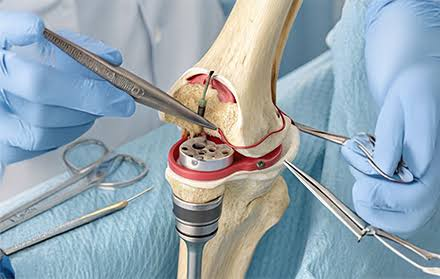
Standing, walking and managing simple daily tasks can feel challenging during the first few days after knee replacement. Recovery then progresses gradually as swelling reduces, knee movement improves and the surrounding muscles become stronger. Each stage brings different goals for walking, exercise and everyday activity.
Recovery after TKR surgery usually moves from supported walking to greater strength, balance and independence over several weeks. Progress varies based on overall health, mobility and response to rehabilitation. Understanding the usual week-by-week stages can help you follow your recovery plan and know what may come next.
Table of Contents
What To Expect During TKR Surgery Recovery
Recovery after TKR surgery usually begins with supported movement soon after the operation. Physiotherapists help patients start walking with an appropriate aid and introduce exercises that support knee movement and muscle strength. These activities progress gradually as mobility improves.
At home, rehabilitation continues through regular walking, prescribed exercises and follow-up care. Walking distance and daily activity usually increase gradually. Following the individual plan provided by the healthcare team helps ensure that activity remains appropriate for each stage of recovery.
Week 1: Starting To Move Again
The first week focuses on safe movement and learning how to use the operated knee during simple daily activities. Your healthcare team will guide you according to your mobility and individual progress. Early recovery commonly includes:
- Supported Walking: A walking frame or crutches can provide support while you practise a steady walking pattern.
- Knee Exercises: Exercises recommended by your physiotherapist help you work on knee movement and muscle control.
- Daily Movement: Short periods of walking help you gradually build confidence as you move around.
- Wound Care: Follow the hospital’s instructions for caring for the surgical area as it heals.
These early activities create a foundation for increasing movement over the following weeks.
Weeks 2–3: Increasing Movement And Independence
During weeks two and three, many people gradually increase their activity at home. The focus shifts towards greater independence while continuing the rehabilitation plan provided by the physiotherapy team. Areas of progress may include:
- Walking Distance: Gradually increase short walks based on your physiotherapist’s guidance.
- Knee Movement: Continue prescribed exercises to bend and straighten the knee.
- Daily Activities: Simple activities such as dressing and moving around the home may become easier as mobility improves.
- Walking Support: Your physiotherapist can advise when it is appropriate to adjust the level of walking support.
Steady progress during this stage prepares the knee for a wider range of everyday activities.
Weeks 4–6: Returning To Everyday Activities
By weeks four to six, the knee may feel more mobile as strength and movement continue to improve. Rehabilitation after TKR surgery remains centred on gradual progress. Common areas of development include:
- Walking Confidence: Walking may become steadier as strength, balance and confidence improve.
- Everyday Tasks: Light household and personal activities can gradually become part of the daily routine.
- Work Routine: Your healthcare team can help determine an appropriate return based on your occupation and recovery.
- Driving: Your doctor can advise when your knee movement, strength and control are suitable for driving.
This stage marks a gradual transition towards greater independence in everyday life.
Weeks 7–12: Building Strength And Confidence
During weeks seven to twelve, rehabilitation increasingly focuses on strength, balance and comfortable movement. Walking distances can gradually increase, while physiotherapy exercises continue to support the muscles around the knee and improve overall function during everyday activities.
Many people also become more confident with stairs and suitable low-impact activities during this period. Your physiotherapist can adjust exercises based on your progress, helping you build activity levels at a pace that suits your mobility, strength, and recovery goals.
After 3 Months: Continuing Towards Long-Term Recovery
After three months, strength, movement and walking ability can continue to improve. Regular activity and exercises recommended by your physiotherapist can support further progress. You can also gradually introduce suitable recreational activities based on your ability and professional guidance.
Recovery can continue for several months as the knee becomes stronger and everyday movement feels more familiar. Your healthcare team can advise you about longer-term exercise and activity choices based on your progress, lifestyle and personal recovery goals.
Conclusion
Knee replacement recovery progresses through several stages, beginning with supported movement and gradually moving towards greater strength, mobility and independence. Following a personalised rehabilitation plan can help you work towards everyday activities at a pace suited to your recovery.
Each person’s recovery journey is individual, so regular guidance from your surgeon and physiotherapist remains important throughout the process. Consistent rehabilitation, gradual increases in activity and appropriate follow-up care can support continued progress towards comfortable movement and daily routines.

