
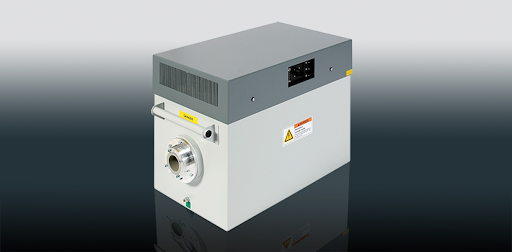
In modern diagnostic and industrial applications, the precision and reliability of imaging equipment have become crucial. One of the key components driving innovation in this field is the microfocus x-ray source, a technology that enables highly detailed imaging by producing a focused beam of X-rays. This advancement allows for exceptional resolution in non-destructive testing, medical diagnostics, and material analysis. Alongside this, industries rely heavily on robust and efficient electrical systems to support these devices, particularly from high voltage power supply manufacturers who ensure that X-ray systems operate safely and consistently.
The combination of cutting-edge X-ray sources and dependable power solutions has revolutionized multiple sectors, providing unprecedented insights into material integrity, medical conditions, and product quality. In this article, we will explore the functionality, benefits, and applications of these technologies while providing an overview of essential considerations when selecting the right equipment.
Table of Contents
The Role of Focused X-Ray Sources
Focused X-ray sources are engineered to produce concentrated beams, improving image clarity and resolution. These devices are particularly beneficial in fields that require detailed inspection of small or complex structures.
- Enhanced Imaging: The microfocus X-ray source produces sharper images by minimizing the size of the focal spot, which reduces blur and improves the visibility of fine details.
- Non-Destructive Testing: In industrial applications, X-rays are used to inspect materials or assemblies without damaging them, enabling manufacturers to identify flaws early in production.
- Medical Diagnostics: High-resolution imaging plays a pivotal role in medical diagnostics, allowing for precise detection of abnormalities in bones, tissues, and implants.
- Research Applications: Laboratories and research centers utilize microfocus X-rays for studying material structures, crystallography, and microscopic components in electronics.
The accuracy and reliability of these X-ray systems are directly influenced by the stability and quality of their power supply. This is where specialized electrical solutions come into play.
Importance of High-Voltage Power Supplies
X-ray systems demand stable and high-voltage electricity to operate safely and efficiently. High-voltage power supply manufacturers focus on providing equipment that delivers consistent performance while minimizing energy losses.
- Consistent Output: A reliable power supply ensures that X-ray tubes maintain steady output, reducing the risk of image distortion or inconsistent exposure.
- Safety Features: High-quality supplies include protective mechanisms to prevent electrical overload, short circuits, and potential hazards to operators.
- Longevity of Equipment: Proper voltage regulation minimizes wear and tear on X-ray components, extending the lifespan of both the X-ray tube and the overall system.
- Energy Efficiency: Modern power solutions are designed to consume less energy while maintaining high performance, contributing to cost savings for industrial and medical facilities.
Selecting a high-voltage power supply from reputable manufacturers ensures that X-ray systems function optimally under rigorous operational demands.
Types of X-Ray Sources
Understanding the different X-ray source technologies helps in choosing the most suitable equipment for specific applications.
- Microfocus X-Ray Sources:
- Best for applications requiring high resolution.
- Ideal for inspecting small components or detailed structures.
- Commonly used in electronics, aerospace, and precision engineering.
- Rotating Anode X-Ray Sources:
- Provides higher output power for larger or denser objects.
- Used in medical imaging and industrial testing of bulky materials.
- Tube-Based X-Ray Systems:
- Standard X-ray sources used in hospitals and basic industrial inspections.
- Offers a balance between cost and performance.
Each type has distinct advantages depending on the imaging requirements and the nature of the objects being examined.
Applications Across Industries
The integration of advanced X-ray sources and reliable power supplies has created transformative impacts across multiple sectors.
- Medical Imaging: Enhanced imaging quality allows for early disease detection, precise diagnosis, and improved patient outcomes.
- Aerospace and Automotive: Non-destructive testing ensures the safety and durability of components, preventing costly failures.
- Electronics Manufacturing: Microfocus X-rays detect microscopic defects in circuit boards and semiconductor devices, improving product reliability.
- Material Research: Scientists and engineers study microstructures, fracture points, and material compositions to innovate and improve product design.
These applications highlight the versatility and significance of modern X-ray technology in ensuring quality, safety, and innovation.
Key Features to Consider
When selecting X-ray systems and associated power supplies, several factors determine performance and efficiency:
- Focal Spot Size: Smaller focal spots produce higher resolution images but may require precise handling and stable power supply.
- Output Voltage Range: Must match the requirements of the X-ray tube to avoid underperformance or equipment damage.
- Cooling Systems: Effective cooling extends the operational lifespan of X-ray tubes and prevents overheating.
- Control Interfaces: Advanced systems offer user-friendly interfaces, automated adjustments, and real-time monitoring capabilities.
- Regulatory Compliance: Equipment should meet safety and quality standards specific to the region or industry.
Careful consideration of these features ensures that the investment delivers reliable performance over time.
Advantages of Investing in Quality Systems
Upgrading to high-performance X-ray systems and robust electrical supplies provides measurable benefits:
- Improved Diagnostic Accuracy: Higher resolution imaging reduces errors and enhances decision-making.
- Operational Efficiency: Stable power supply reduces downtime and maintenance costs.
- Cost Savings: Minimizing equipment failure and extending service life leads to long-term financial benefits.
- Safety Assurance: Compliance with safety standards protects operators and reduces liability risks.
Investing in quality systems not only enhances productivity but also reinforces trust in the results obtained from X-ray inspections.
Maintenance and Support Considerations
To maintain optimal performance, X-ray systems and power supplies require regular maintenance and support.
- Routine Inspections: Periodic checks ensure that all components function correctly and safely.
- Calibration: Accurate calibration is essential for maintaining image quality and measurement precision.
- Technical Support: Partnering with experienced manufacturers and suppliers guarantees prompt assistance in case of technical issues.
- Spare Parts Availability: Ready access to replacement components minimizes downtime during repairs or upgrades.
Proper maintenance strategies extend the lifespan of both X-ray sources and power supply units, safeguarding the investment and improving operational efficiency.
Conclusion
The integration of precise imaging equipment with dependable power supplies is central to advancing diagnostics, research, and industrial quality control. Microfocus x-ray source technology, combined with robust solutions from high voltage power supply manufacturers, empowers professionals to achieve exceptional results with accuracy and safety.
For those seeking reliable systems and ongoing support, VJ X‑Ray offers state-of-the-art solutions, ensuring high-resolution imaging and efficient power management for every application. Choosing the right partner not only guarantees performance but also strengthens confidence in the technology that drives innovation and quality across industries.