
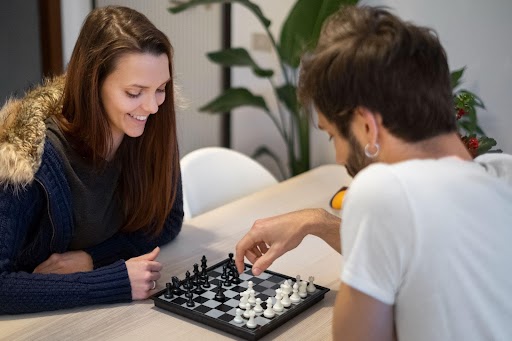
Engaging children in chess from an early age strengthens critical thinking, focus, and problem-solving abilities. Chess tuition classes at home provide the convenience of learning in a comfortable, familiar environment, allowing students to progress at their own pace without distractions. Home-based sessions offer personalized attention, tailored lesson plans, and flexible scheduling, making it easier for children to grasp complex concepts effectively. With interactive exercises, strategic problem-solving, and guided mentorship, students develop memory, patience, and logical thinking skills. Combining home tutoring with digital learning resources encourages children to cultivate both academic and life skills while enjoying the strategic depth and excitement of chess.
Table of Contents
Sharpening the Mind: How Chess Builds Cognitive Power
Chess is far more than a game; it’s a tool for cognitive development. Children involved in structured learning develop pattern recognition, decision-making, and analytical skills. Home chess tuition allows for a focused environment where mistakes are learning opportunities, and strategies can be discussed in depth. By thinking several moves ahead, children strengthen foresight and planning skills. Regular practice enhances concentration and memory retention, which translates into better performance academically and in problem-solving situations. The process of learning and playing chess promotes logical reasoning and mental flexibility, equipping students to approach challenges systematically.
Strategic Thinking: Preparing for Real-Life Challenges
Chess teaches children to analyze consequences, plan ahead, and anticipate opponents’ moves. These strategic skills are transferable to real-world decision-making. Children learn patience, evaluate risks, and develop long-term thinking abilities. Regular exposure to chess problems enhances logical reasoning and promotes creative problem-solving. Home tutoring emphasizes critical thinking through interactive exercises, scenario analysis, and reflective discussions. By practicing strategic thinking in a supportive environment, children cultivate skills that are beneficial in academics, leadership, and everyday life, preparing them to handle challenges effectively and confidently.
Benefits of Enrolling in the Best Chess Classes
Joining the best online chess classes in Mumbai provides children with access to structured curricula, expert instructors, and competitive practice opportunities. Students participate in puzzle-solving, tactical exercises, and virtual tournaments, which help them develop resilience, strategic thinking, and adaptability. Learning in a peer environment encourages children to explore diverse strategies and understand different playing styles, promoting creativity, analytical growth, and critical decision-making.
Advanced teaching methods incorporate digital tools, game analysis, and interactive exercises, allowing children to track their progress and refine techniques systematically. Chess classes also emphasize mental discipline, concentration, and sportsmanship, ensuring holistic development beyond the chessboard.
Additional benefits include:
- Goal Setting and Achievement: Children learn to set short-term and long-term goals, such as mastering opening strategies or winning a tournament, which fosters motivation and a sense of accomplishment.
- Cognitive Skill Enhancement: Regular chess practice improves memory, pattern recognition, and problem-solving abilities, which are transferable to academics and other areas of life.
- Social Interaction: Classes provide a platform for children to engage with peers who share similar interests, improving communication, collaboration, and interpersonal skills.
- Structured Progression: Curriculum-based instruction ensures children master foundational concepts before advancing to complex tactics, building confidence and consistent improvement.
- Adaptability and Creativity: Facing different opponents and scenarios teaches children to adapt quickly, think creatively, and explore multiple solutions to a problem.
By combining home tutoring with structured group learning, children receive a holistic chess education that balances individual growth with collaborative experiences, preparing them for both competitive and personal success.
Digital Tools and Interactive Learning for Enhanced Engagement
Online resources complement home-based chess tuition by providing interactive tutorials, game simulations, and practice matches. Children can analyze previous games, explore different strategies, and receive immediate feedback to improve performance. Digital platforms also enable participation in virtual competitions, exposing students to international peers and diverse playing styles.
Interactive tools make learning dynamic and engaging, encouraging independent problem-solving, strategic thinking, and experimentation. Gamified lessons, challenges, and performance tracking motivate children and maintain their interest.
Additional advantages include:
- Analytical Skill Development: Real-time game analysis and move evaluation help students develop deeper insights into tactical and positional play.
- Flexibility in Learning: Students can access lessons at any time, re-watch tutorials, and review difficult concepts at their own pace.
- Global Exposure: Virtual tournaments and online chess communities allow students to compete internationally, broadening their experience and confidence.
- Skill Reinforcement: Tools like quizzes, timed challenges, and puzzle-solving reinforce learning while keeping it fun and engaging.
- Digital Literacy: Using technology as a learning medium teaches students essential skills in navigating digital platforms effectively and responsibly.
By combining digital tools with traditional teaching, students gain an enriched learning experience that enhances both chess skills and essential life competencies.
Creating a Balanced Routine with Home Chess Tutoring
Integrating chess tuition at home into a child’s daily schedule encourages effective time management and responsibility. Flexible home sessions allow students to balance academics, extracurricular activities, hobbies, and leisure. Consistent practice strengthens discipline, builds long-term skills, and ensures steady progress.
Additional advantages include:
- Parental Involvement: Parents can monitor progress, provide encouragement, and participate in learning activities, reinforcing concepts and fostering motivation.
- Custom Learning Pace: Home tutoring allows lessons to be adapted to the child’s speed and comprehension, avoiding frustration while ensuring mastery of topics.
- Routine Building: Scheduled chess practice helps children establish productive habits, improving focus, organization, and self-discipline in other areas.
- Stress-Free Environment: Learning in a familiar setting reduces anxiety and distractions, enabling students to concentrate better and enjoy the process.
- Holistic Skill Development: Balancing chess with studies and other activities teaches children prioritization, planning, and multitasking, essential skills for lifelong success.
A balanced approach to home tutoring ensures that children not only excel at chess but also develop skills that positively impact academic performance, personal growth, and social interactions.
Conclusion
Home-based chess tuition classes combined with structured programs like Chessbrainz provide a unique opportunity for children to develop cognitive, emotional, and strategic skills. Personalized guidance, interactive learning, and flexible schedules make chess engaging, accessible, and effective. Students gain critical thinking, memory, planning, and emotional intelligence while enjoying the game’s challenges. They offer expert tutors, structured curricula, and digital tools that ensure steady progress and measurable improvement. By participating in these programs, children not only enhance their chess abilities but also acquire life skills applicable to academics, personal decision-making, and problem-solving. Chess becomes more than a game—it becomes a pathway to holistic development and lifelong learning.